






























Transparent LED Displays
See-through screens that keep glass and daylight in view.
Transparent LED display products allow video content to be shown while preserving visibility through the installation. This category serves AV rental companies, systems integrators, contractors, distributors, and event producers working on retail fronts, corporate spaces, exhibitions, stages, museums, hospitality venues, and architectural interiors. It includes transparent LED panels, mesh or grille structures, and flexible LED film for glass surfaces.
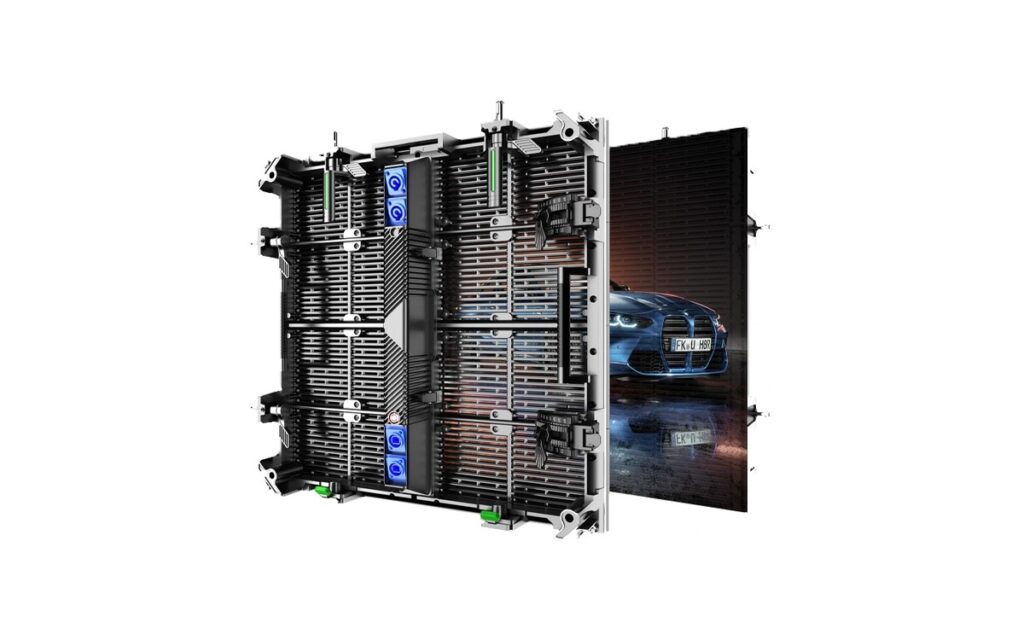
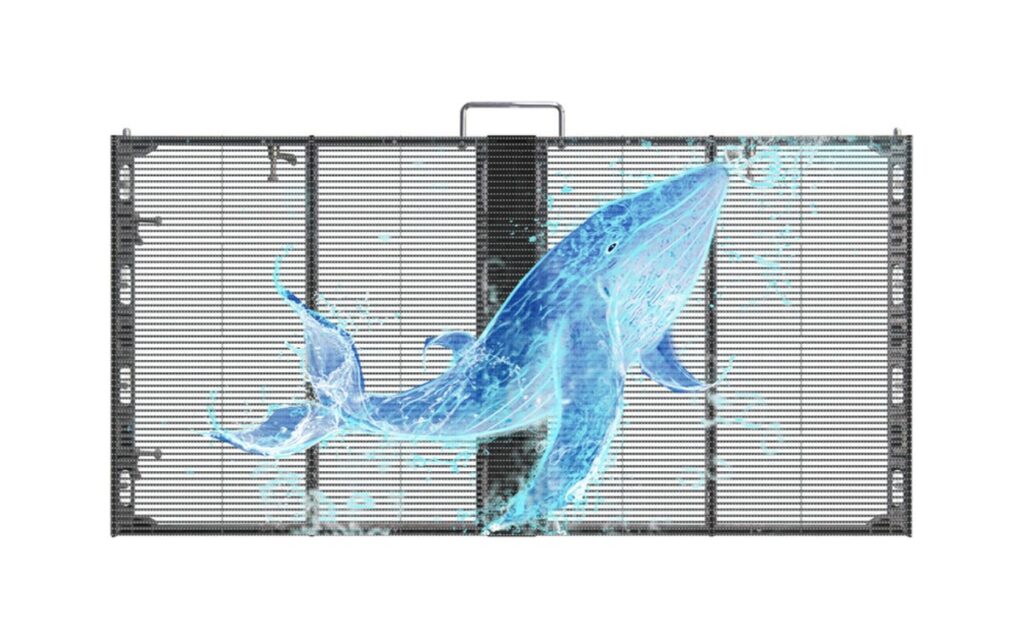
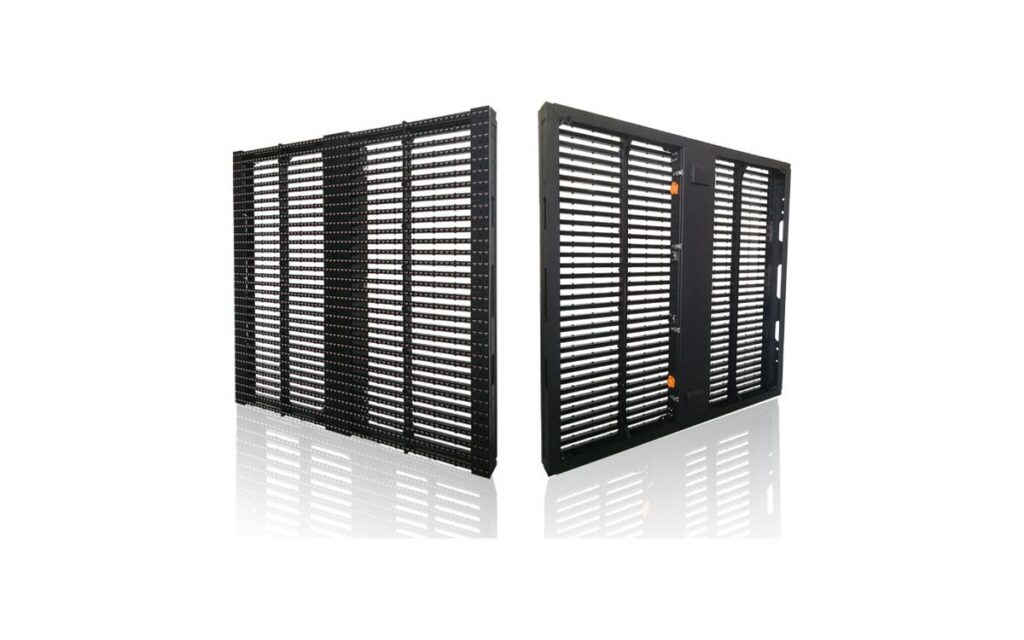
Compare Transparent LED Display Options
Review mounting method, structure, and transparency needs to narrow the right display series.
| Series | Format | Pixel pitch | Transparency | Brightness | Panel size | Weight | IP rating |
|---|---|---|---|---|---|---|---|
| Glass-F Series | Glass-mounted | 2.6–3.91mm | — | 1,000–5,000 nits | 1000×1000mm | 7.5kg | IP31 |
| Glass-R Series | Indoor & outdoor glass | 3.91×7.81mm | — | 1,000 in · 4,500 out | 500×500 / 500×1000mm | 3.75 / 7.5kg | IP30 in · IP65 out |
| Glass-S Series | Slim glass | 3.91×7.81mm | 40% | 2,000–5,000 nits | 1000×500mm | 7.5kg | IP64 / IP45 |
| Mesh-GT Series | Mesh / grille | 10.4–15.6mm | 35–44% | 6,000–8,500 nits | 1000×1000mm | 19–20kg/m² | — |
| Mesh-ST Series | Mesh / high transparency | 3.9–31.25mm | up to 60% | 6,500–8,500 nits | 1000×1000mm | 20kg | IP67 |
| Film-A Series | Self-adhesive film | 4–30mm | 80–97% | 1,500–4,000 nits | 1000×240mm (2mm thin) | — | IP31 |
Standard configurations can be customized to suit project requirements.
Transparent Display Applications
Select a transparent display format that fits the structure, viewing conditions, and installation method.
Retail Store Windows
Add digital content to windows while maintaining visibility into the retail space.
Building Facades
Cover large exterior surfaces with lightweight transparent or mesh display structures.
Shopping Malls & Atriums
Use transparent displays across glass areas, open spaces, and architectural features.
Auto Showrooms
Present vehicle content across glass surfaces while preserving sightlines through the showroom.
Airports & Transport Hubs
Deliver visual content across architectural glazing and large public areas.
Corporate Lobbies
Integrate display content with glass partitions, entrances, and interior architectural surfaces.
Transparent LED Display Options
Film, mesh and glass-mounted LED solutions for retail windows, facades and architecture.
Film vs Mesh vs Glass
Compare transparency, brightness, weather protection and structural needs across the three formats.
Mounting and Transparency Planning
Confirm glass type, fixing method, viewing direction and target transparency before quotation.
Film, glass or mesh: which transparent LED screen fits the facade?
Transparent LED screens trade pixel density for see-through area. Film is the lightest option and sticks to existing glass with the highest transparency; glass cabinets are rigid and serviceable from the front; mesh gives the largest open area for wind load on big facades. Choose by transparency target, viewing distance and how the panel is fixed to the building. A transparent LED wall can sit on existing glazing, a transparent LED video wall can span a lobby, and a finer film version is used as an LED screen for filming when reflections have to stay low.
| Format | Transparency | Pitch | Brightness | Typical use |
|---|---|---|---|---|
| LED film | 80–97% | P4–P30 | 1,500–4,000 nits | Retail windows, existing glass |
| Glass cabinet | 60–85% | P3.91–P10 | 3,000–5,500 nits | Showrooms, lobbies, media facades |
| Mesh | 35–70% | P10–P31.25 | 5,000–8,000 nits | Large facades, high wind load |
Prepare Your Transparent Display Brief
Send the glass, facade, and transparency requirements for a focused quotation.