






























Advertising Billboard LED Display Solutions
Reach audiences at scale with high-brightness outdoor LED billboards, facade and rooftop screens for advertising and media.
- High-brightness outdoor LED displays
- Billboard & building-facade structures
- Remote content control & monitoring
- Signal chain & power distribution included
Typical Outdoor Billboard Project Challenges
These are the key technical factors to confirm before selecting an outdoor LED billboard:
- Viewing distance and pixel pitch selection for the target audience
- Day and night brightness management across changing light conditions
- Structure, weather protection and safe installation on site
- Power, control, maintenance access and remote content management
Choose the Right Outdoor Screen
Billboards, facades and roadside structures — matched to the site, viewing distance and control needs.
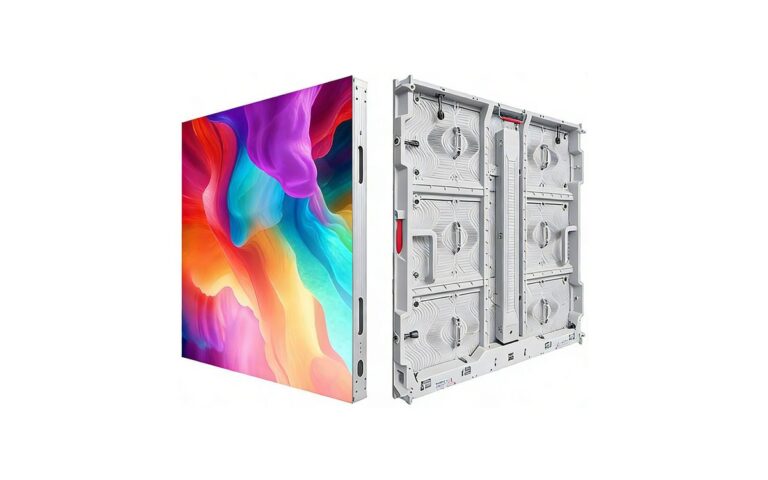
Outdoor-FS PRO Series
Roadside billboards, building facades, rooftop advertising structures, and permanent media installations requiring planned service access.
View details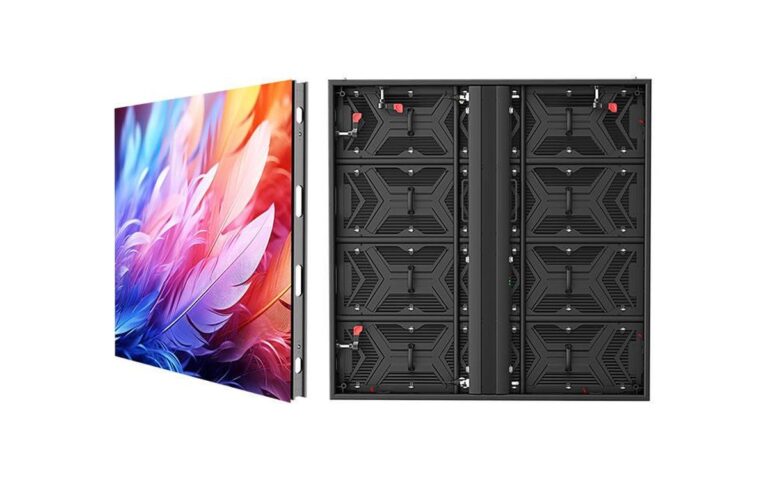
Outdoor-FM Series
Outdoor media sites, retail advertising structures, transport-area displays, and facade installations with scheduled content changes.
View details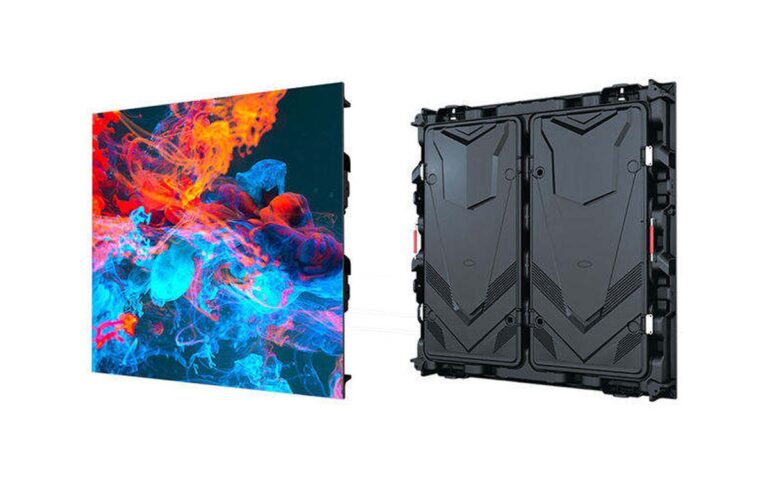
Outdoor-FR Series
Roadside media networks, building-mounted displays, rooftop signs, and projects requiring defined cabinet layout and maintenance access.
View details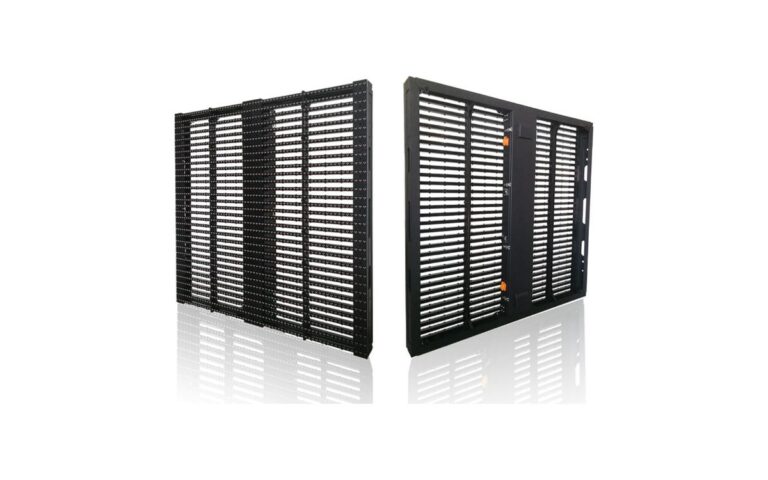
Mesh-GT Series
Building facades, elevated advertising frames, and locations where reduced visual obstruction and airflow may support the structure design.
View details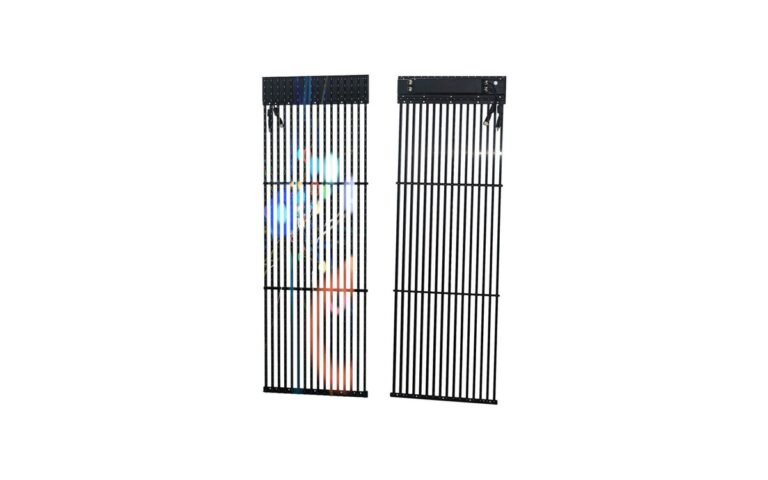
Mesh-ST Series
Rooftop media, facade advertising, large open-frame signs, and installations where structural coordination affects screen selection.
View detailsQuick comparison
| Series | Best For | Key Consideration |
|---|---|---|
| Outdoor-FS PRO | Roadside and highway billboards | High-brightness cabinets for long viewing distances |
| Outdoor-FM | Media sites and retail advertising structures | Standard outdoor cabinet for fixed advertising |
| Outdoor-FR | Roadside media networks | Confirm brightness, pitch and control for the site |
| Mesh-GT | Building facades and elevated frames | Wind pass-through — structure and access to be confirmed |
| Mesh-ST | Rooftop media and large open-frame signs | Lightweight mesh — confirm support and service access |
Which Outdoor LED Screen Fits Your Site?
Roadside and highway billboards use high-brightness outdoor fixed cabinets for long viewing distances. Facade and rooftop screens are built around the building structure, while mesh screens suit open-frame and lighter structures. The final configuration depends on the site, viewing distance, brightness requirements and local regulations.
Structural design, local advertising approval, electrical installation and site safety requirements should be confirmed by the responsible local contractor or engineer.
Outdoor LED billboard brightness and structure
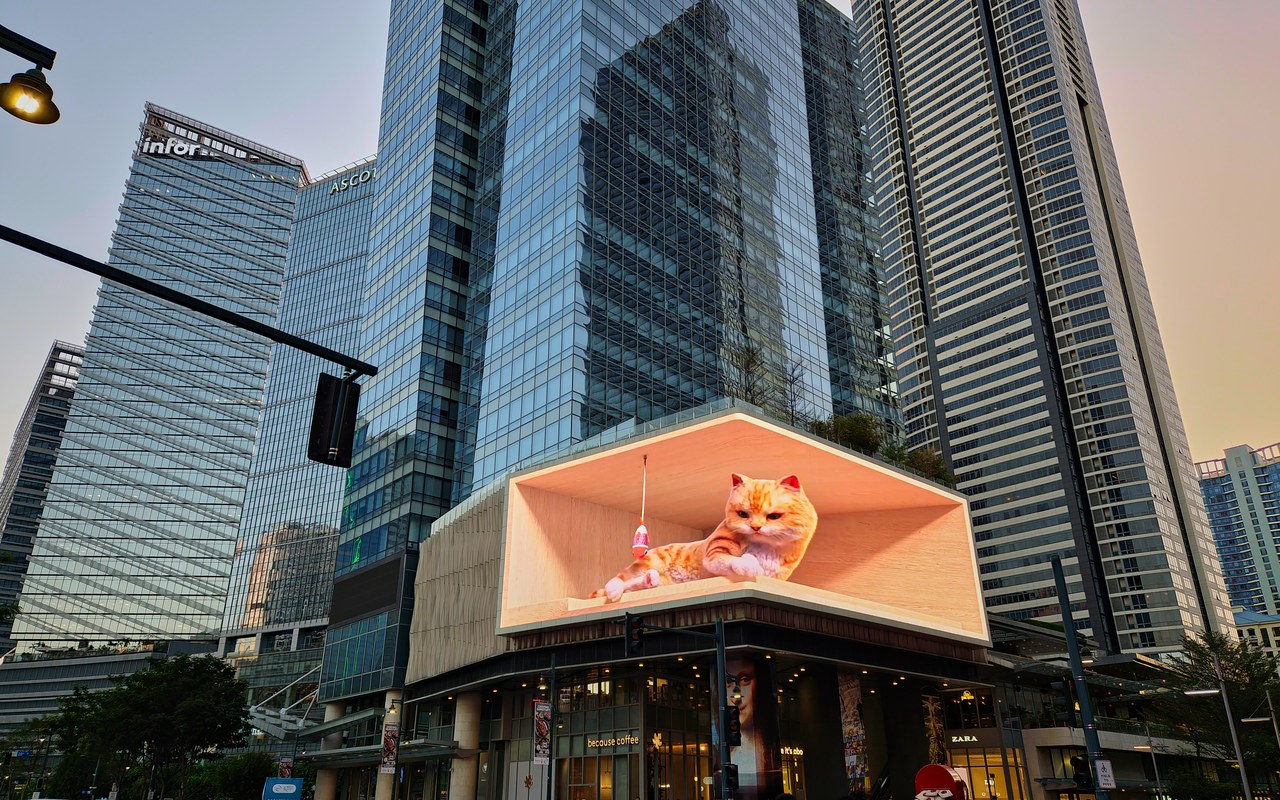
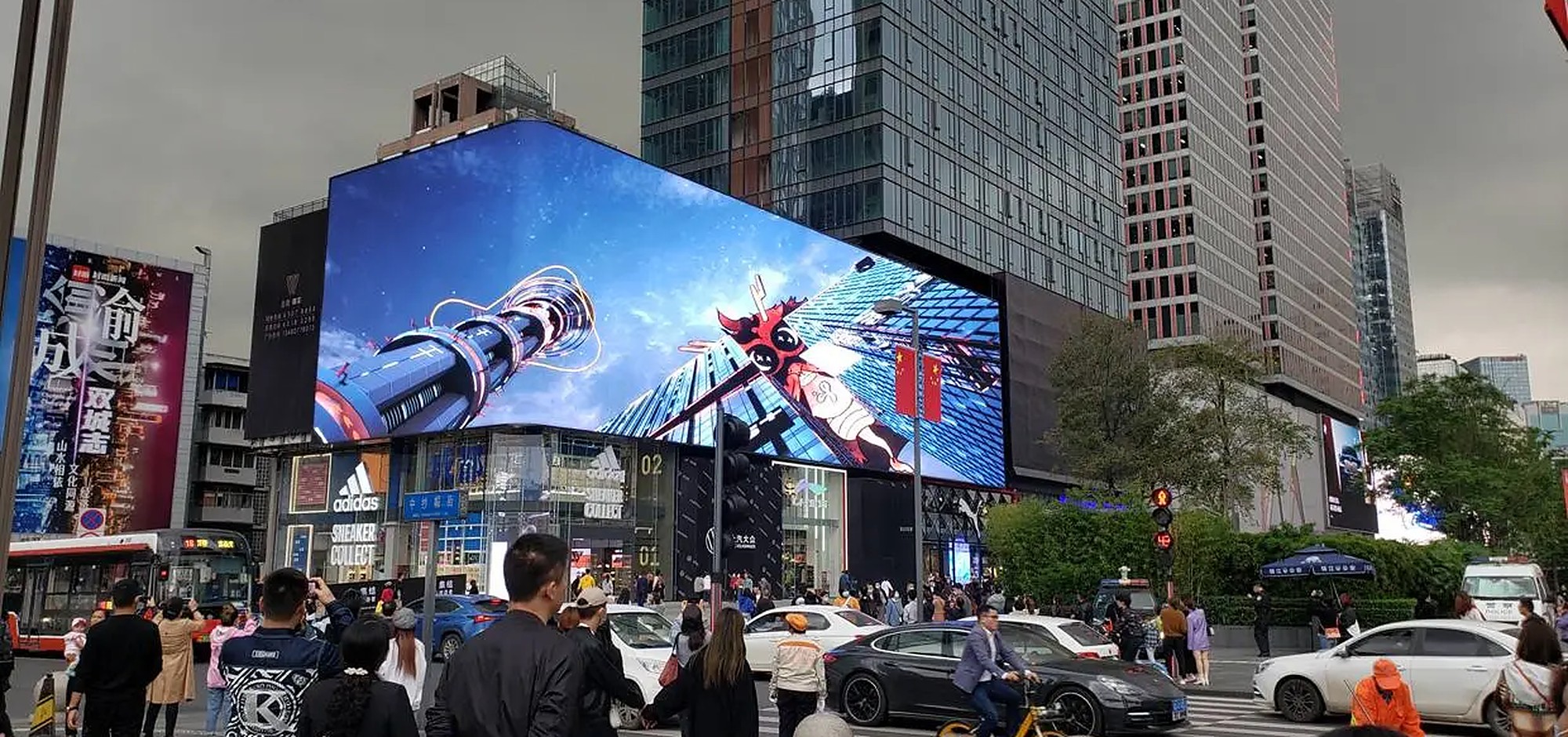
Billboard brightness is set by the worst viewing condition, which is direct sun on a low-sun-angle morning or late afternoon. Roadside boards normally run 6,000–8,000 nits; building-mounted facades can use 5,000–6,500 nits because the viewing angle is steeper. The steel structure, wind load and service access are engineering decisions that sit outside the screen price, so they should be quoted separately. A digital LED billboard for sale is usually quoted as screen plus structure plus control, and a 3D LED billboard or 3D LED screen adds a corner or curved section that changes both cabinet count and content design.
| Placement | Brightness | Pitch | Notes |
|---|---|---|---|
| Roadside billboard | 6,000–8,000 nits | P8–P10 | Long viewing distance, high ambient |
| Building facade | 5,000–6,500 nits | P6.67–P10 | Steeper angle, structure on wall |
| Highway gantry | 8,000+ nits | P10–P16 | Very long distance, brief exposure |
Outdoor Billboard Planning Checklist
-
Confirm the site, structure and installation route
Fixed cabinets and mesh structures can have different requirements for weight, wind loading, access, and installation support. The steel or aluminium structure, lifting equipment, transport route, site access, electrical distribution, and installation method also affect the project scope.
-
Match pixel pitch to viewing distance
Pixel pitch should be considered together with the normal viewing distance, screen dimensions, content detail, and audience movement. A closer audience usually needs a finer pitch to present text and graphics clearly, while distant roadside viewing may allow a different resolution choice. A finer pixel pitch generally uses more LED components and processing capacity.
-
Set brightness for day and night
Brightness requirements are influenced by direct sunlight, screen orientation, operating hours, and content type. Outdoor brightness must provide readable content in daylight, but the operating setting should also support suitable viewing during darker periods. The correct range depends on orientation, shading, ambient light, and content.
-
Plan content control and monitoring
Content control may require media players, scheduling software, network connections, and monitoring functions. Remote content control can support scheduled campaigns, user permissions, status checks, and basic fault reporting where the network and control system allow it.
-
Confirm maintenance and final specification
Elevated screens need a maintenance plan covering access equipment, replacement procedures, cleaning, cable inspection, and safe work arrangements. Outdoor LED screen cost depends on the cabinet type, pixel pitch, display size, and supporting structure. Confirm these requirements against the site design and equipment datasheet — final selection should be based on site drawings, local conditions, maintenance access, and confirmed equipment specifications.
Recommended System Configurations
Typical outdoor media setups we configure and supply as complete systems — cabinets together with structure, power and control.
Roadside & Highway Billboards
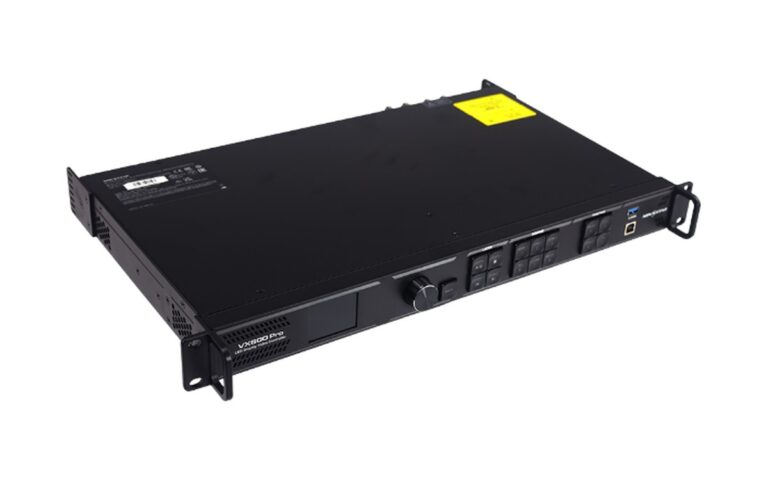
Outdoor-FS PRO Series + remote content management + power distribution
View Related ProductsBuilding Facade & Media Screens
Outdoor-FR / Outdoor-FM Series + steel structure + monitoring
View Related ProductsOpen-Frame & Rooftop Signs
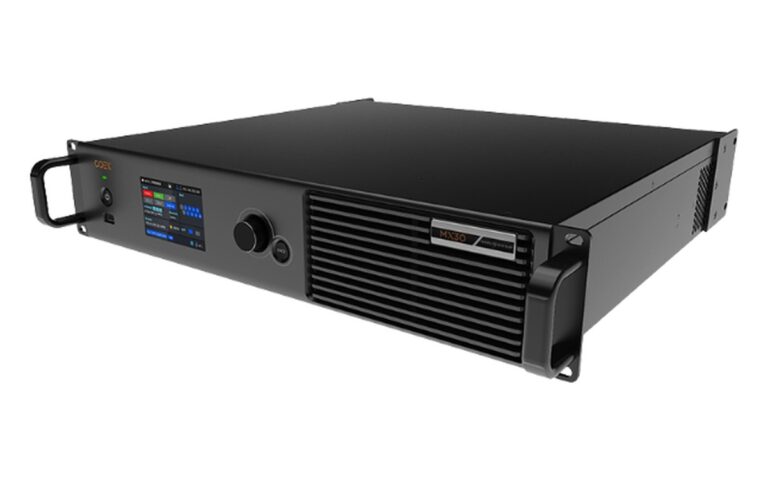
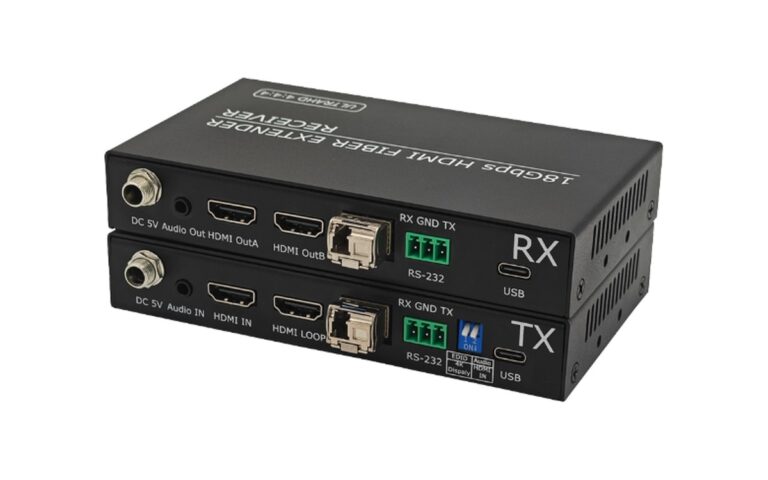
Mesh-GT / Mesh-ST Series + lightweight support + signal chain
View Related Products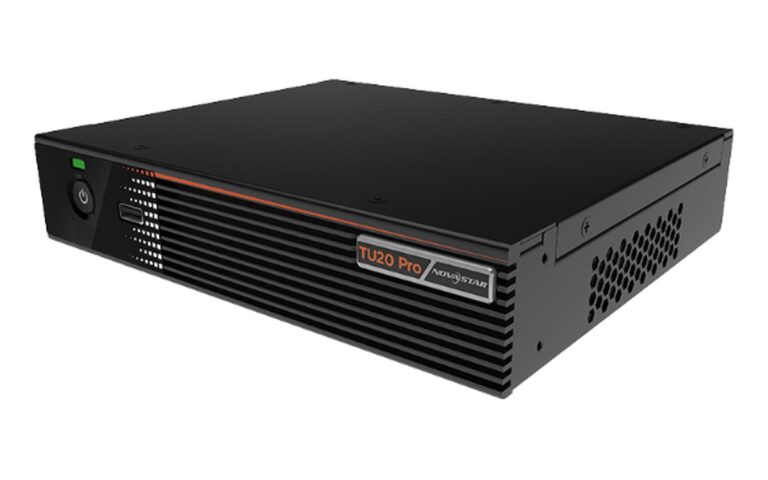
How to Select Your Billboard Configuration
Configuration follows the site, the audience distance and the structure — not a fixed formula.
| Project Factor | What We Consider |
|---|---|
| Viewing distance | Highway, street or pedestrian scale — defines pixel pitch |
| Screen area and aspect | Defines cabinet count and structure planning |
| Brightness and environment | Sunlight, orientation and local weather conditions |
| Structure and mounting | Steel frame, rooftop, facade or freestanding support |
| Content and control | Scheduled advertising, remote updates and monitoring |
| Power and access | Local supply, maintenance routes and service access |
Typical recommendations are a starting point only. The final configuration is confirmed against site drawings, structure, brightness requirements and local conditions.
Billboard Selection Factors
Review these factors when planning an outdoor LED billboard.
| Factor | Selection notes | Typical range |
|---|---|---|
| Brightness | Match output to ambient light, sun exposure, and viewing conditions. | 5,500–9,500 nits |
| Viewing distance | Relate the closest regular viewing position to pixel pitch choice. | P3–P10 |
| Maintenance access | Select front or rear service based on access clearance. | Front or rear service |
| Structure & wind load | Review support structure and local wind requirements for each site. | Site and local review |
These are typical ranges and considerations; confirm final specifications against site conditions and local requirements.
Outdoor Billboard System Capabilities
- High-brightness outdoor cabinets for daylight viewing
- Weather-rated housings for rain, dust and wind
- Steel structures and support frames supplied to spec
- Remote content management and monitoring systems
- Front or rear service access for safe maintenance
- Complete signal chain and power distribution
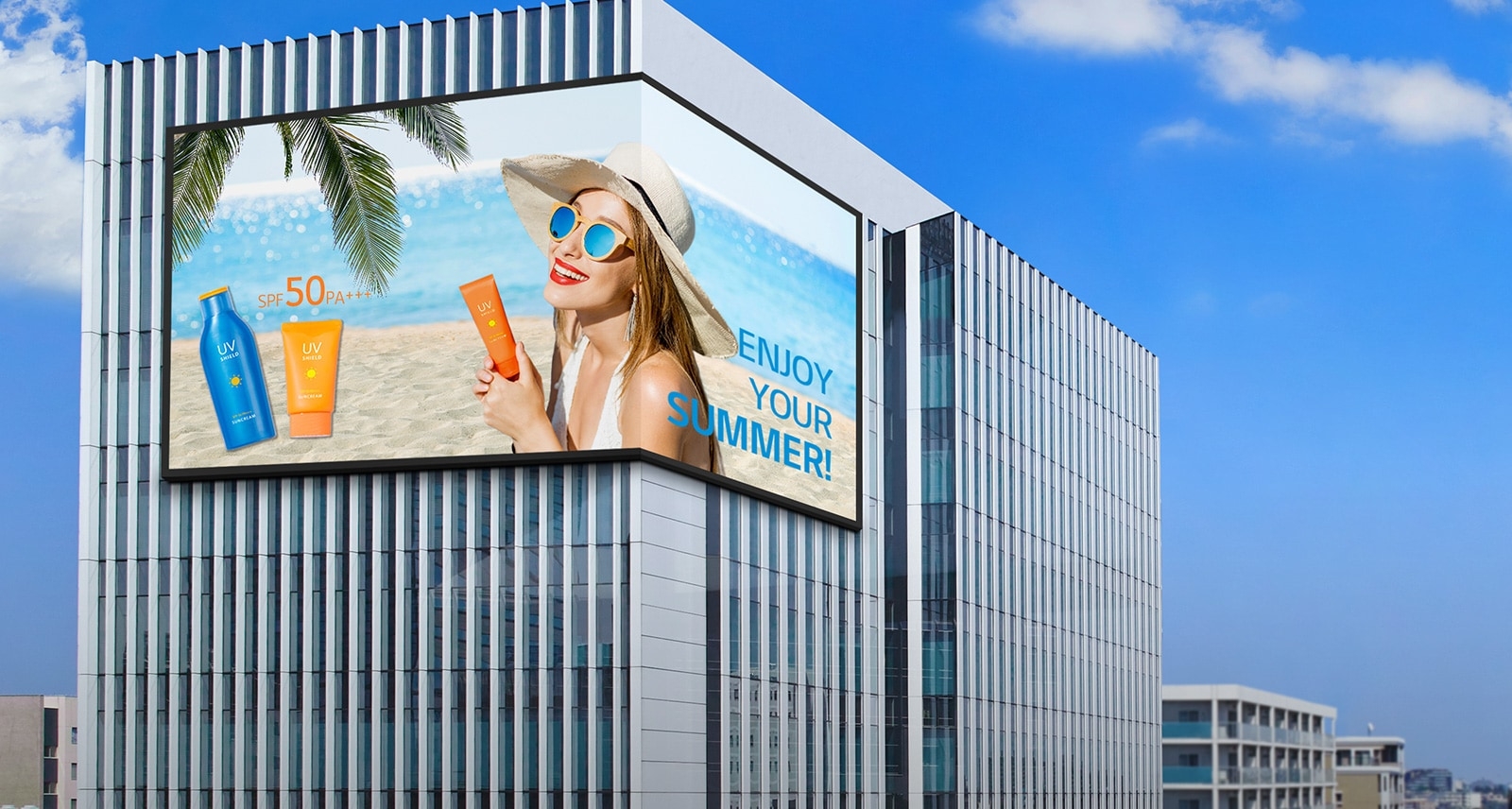
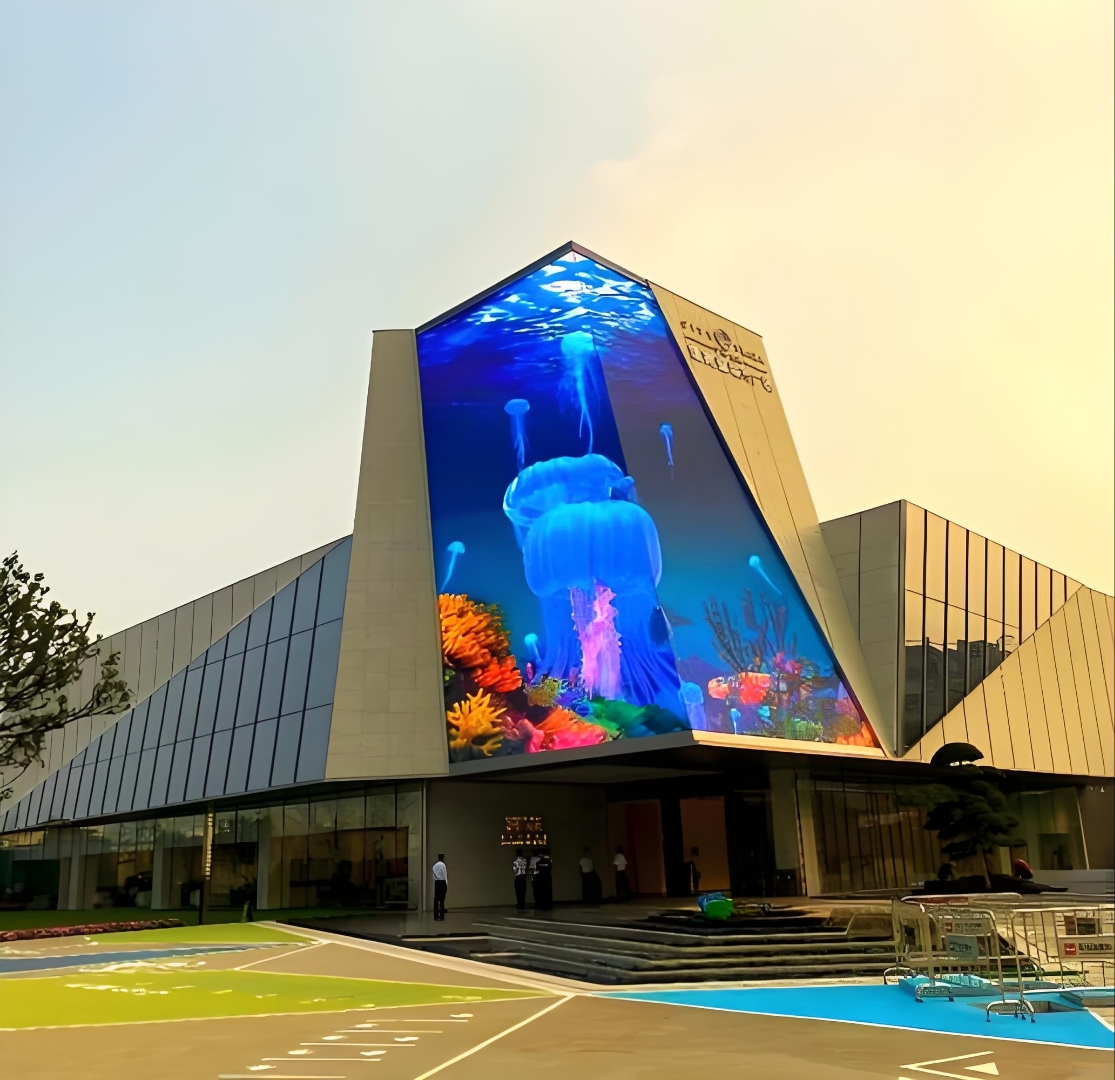
Application References
Typical outdoor media configurations for reference. Each screen is engineered to its own site, structure and viewing conditions.
Outdoor LED Screen FAQ
Is front or rear maintenance better for an outdoor LED screen?
It depends on the site and structure. Front maintenance allows modules and components to be serviced from the viewing side, which suits screens mounted close to a wall, above other structures or where rear access is not possible. Rear maintenance requires a service walkway or clearance behind the screen, but keeps work away from the display face and can suit large billboards with accessible steel structures. Confirm the choice with the structure designer and maintenance team, based on access routes, safety requirements and local conditions.
What information is needed before selecting an outdoor LED billboard?
Provide the proposed screen width and height, viewing distances, location type, mounting position, orientation, operating schedule, content requirements, power conditions, and available network connection. Site drawings should also show the supporting structure, wind exposure, access route, maintenance area, and lifting method. Selection depends on these conditions as well as local regulations and project limits. Final cabinet, control, and installation requirements should be confirmed against the project design and applicable datasheets.
What pixel pitch is suitable for a roadside LED billboard?
Start with the distance and speed at which viewers normally see the content, then consider screen size, text detail, image type, and the required reading distance. Roadside advertising often uses short messages and large graphics, but the correct pitch depends on the actual site. A finer pitch can support closer viewing, while a different pitch may be suitable for distant traffic views. Confirm the resolution and content layout through a site assessment.
Can the billboard brightness be adjusted for daytime and nighttime use?
Yes — outdoor LED billboards can be adjusted for day and night operation where the control system supports scheduled or automatic dimming. Brightness should be selected for the site’s daylight conditions, screen direction, shading, operating hours, and content. A screen facing direct sunlight may need a different setting from one installed under partial shade or on a building facade. Automatic or scheduled adjustment may be available depending on the control system. Excessive brightness can affect night viewing and operating conditions. Confirm the required brightness range, adjustment method, and limits against the equipment datasheet and local requirements.
Should I choose a fixed cabinet or a mesh screen?
The choice depends on the structure, wind exposure, weight limitations, viewing conditions, maintenance method, and required visual coverage. Fixed cabinets provide a defined cabinet layout and are commonly considered for permanent billboard and facade installations. Mesh or grille screens may be considered for open structures where airflow, transparency, or structural coordination is important. The final decision requires engineering review of the mounting frame, local conditions, screen dimensions, and access arrangements.
What content control functions are normally required for outdoor media?
Outdoor media systems commonly require content uploading, scheduling, user permissions, playlist management, and remote status checks. Some projects also require monitoring for communication, power, temperature, or display faults, subject to the selected control equipment. Network availability and site security affect how remote access is implemented. Requirements should be defined by the media operator or system integrator, including the number of screens, operating locations, content workflow, and response process for reported faults.
How should maintenance be planned for a rooftop or elevated billboard?
Maintenance planning should cover safe access, working space, lifting or replacement methods, electrical isolation, spare parts, cleaning, cable inspection, and response to failed components. Rooftop and elevated installations may require special equipment, scheduled access windows, and coordination with the building owner or site contractor. The cabinet arrangement should allow practical service access without creating unnecessary disruption. Actual procedures depend on the structure, local safety rules, site conditions, and equipment design.