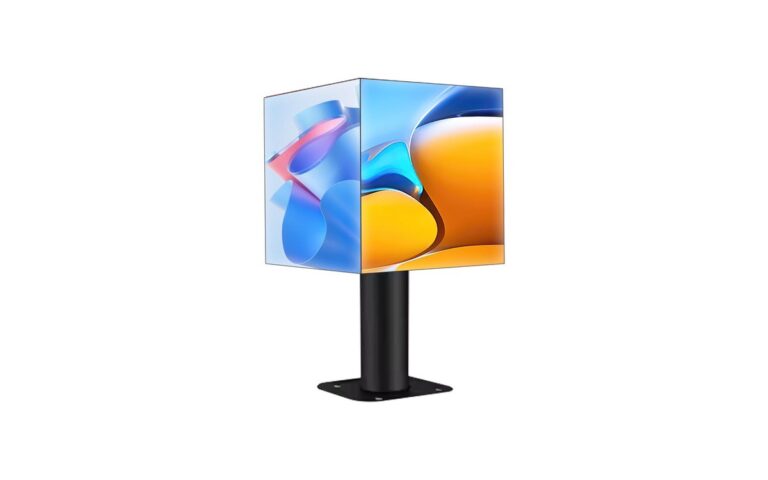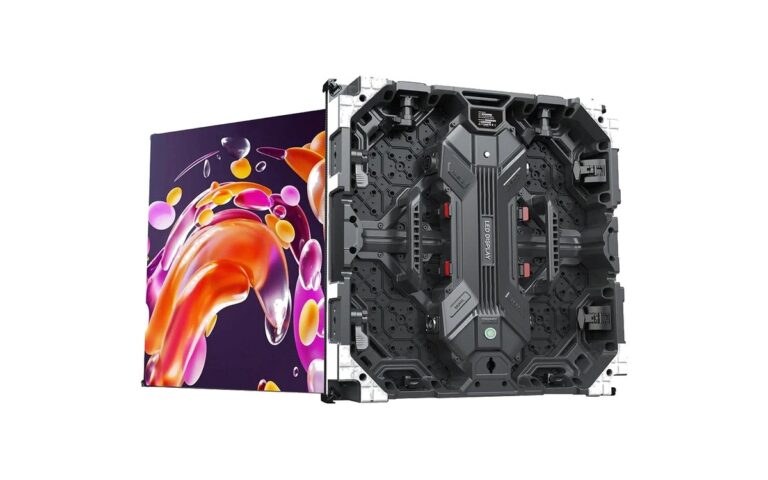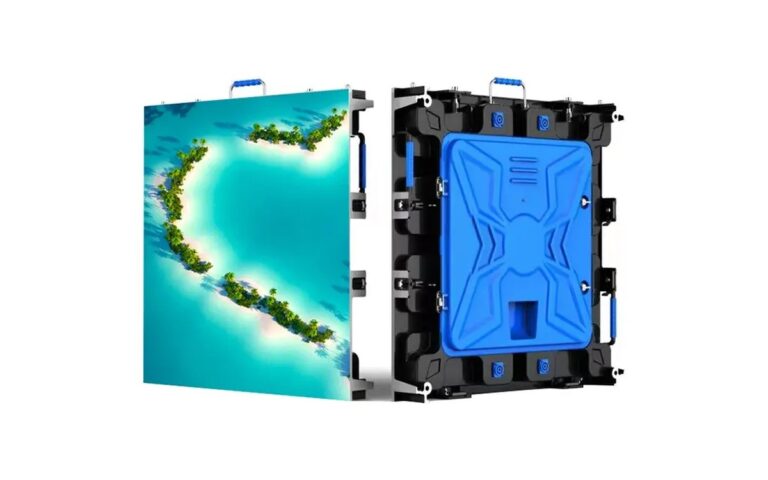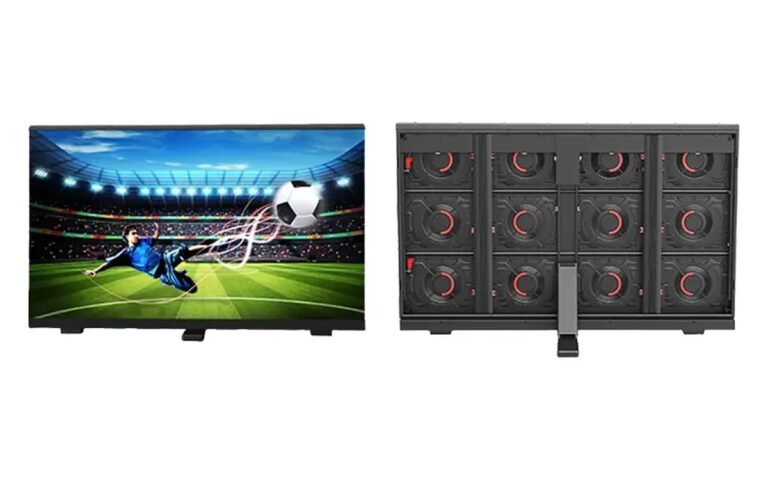

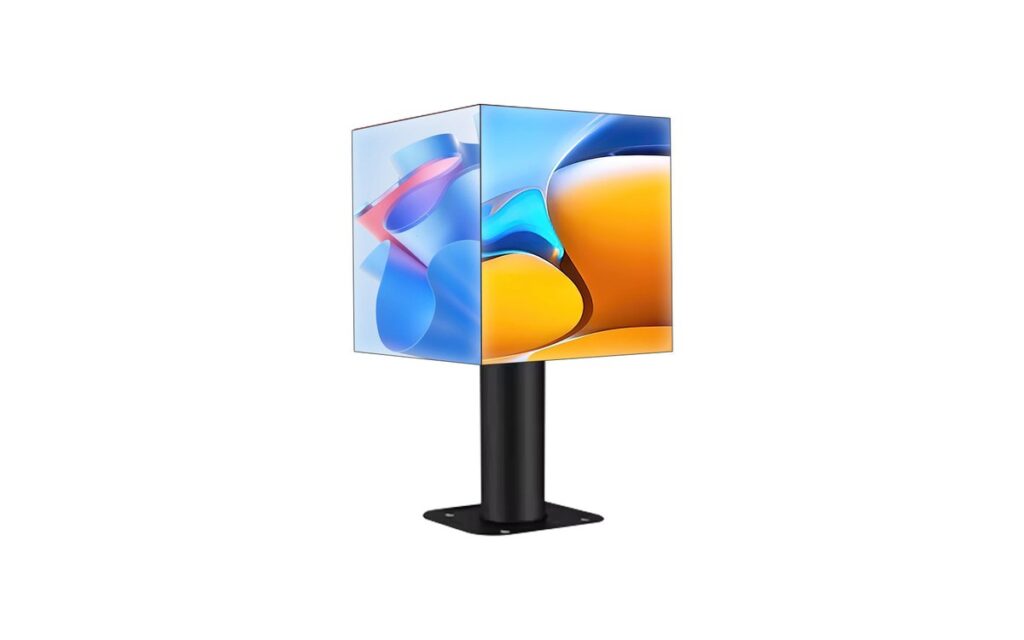


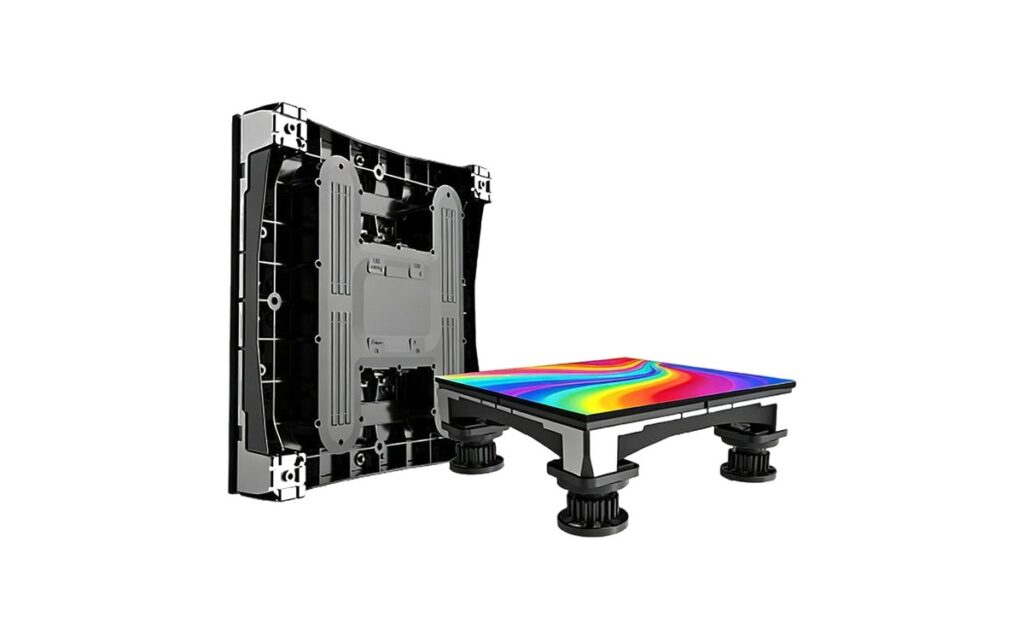
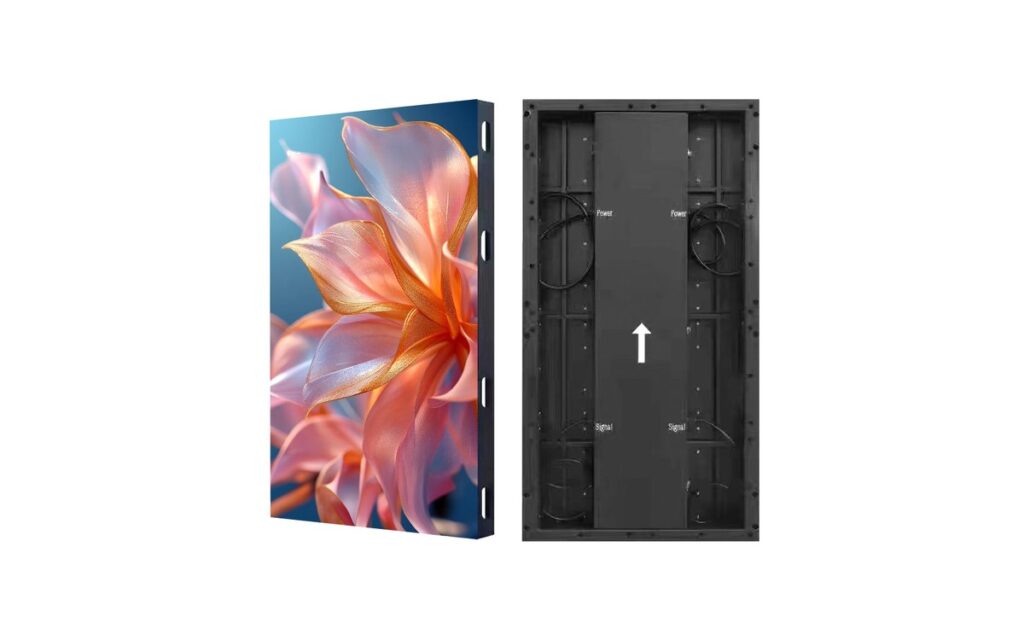
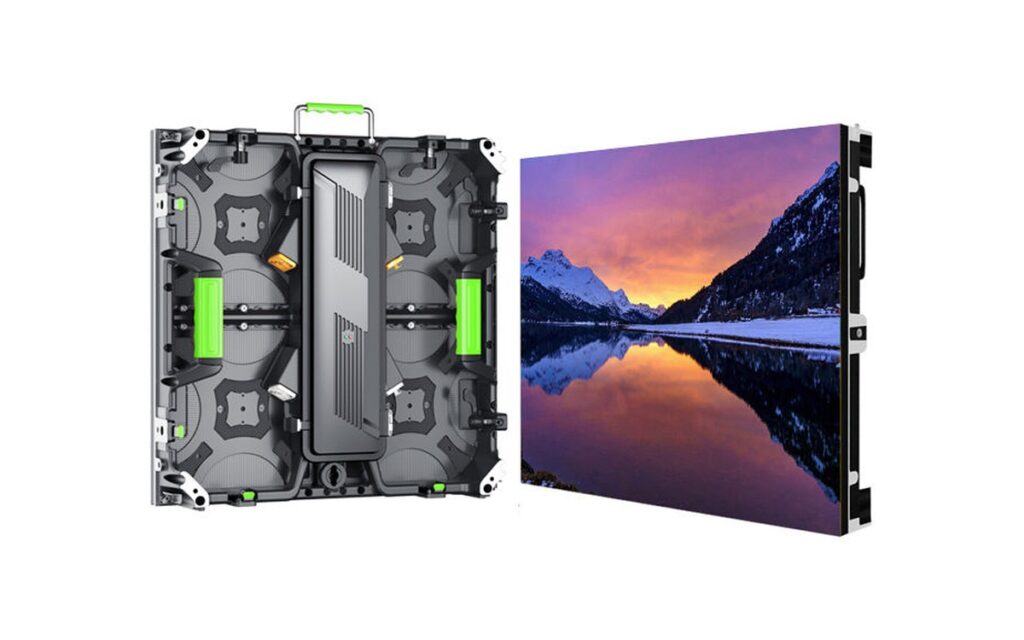
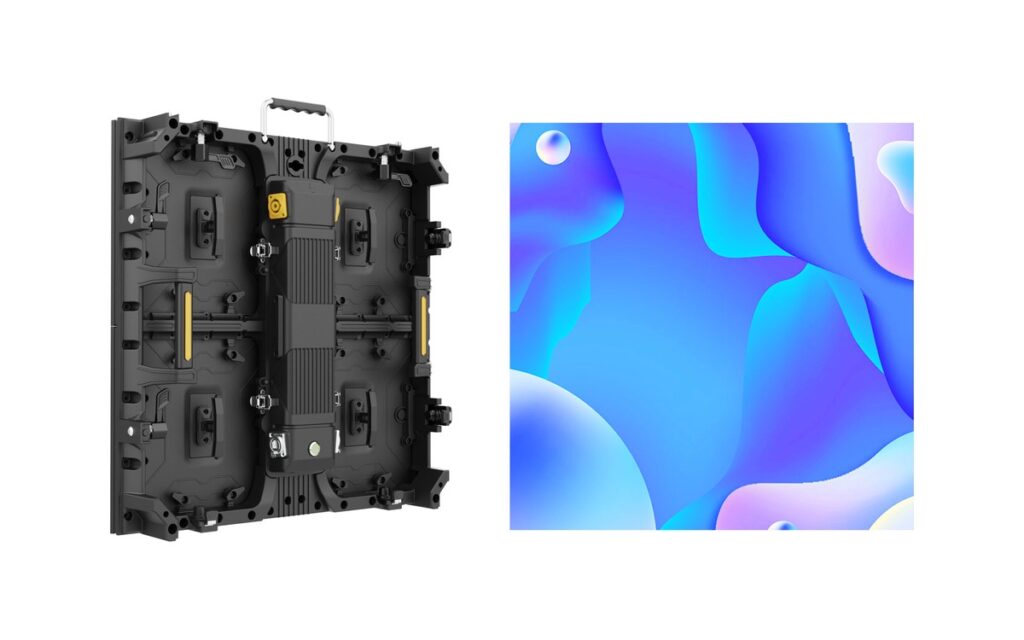
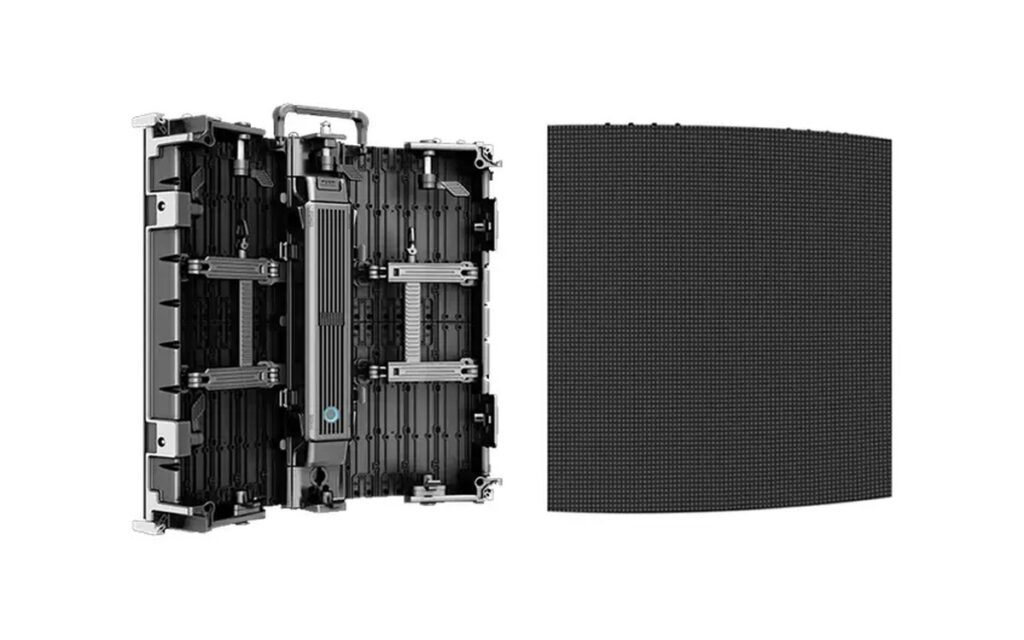
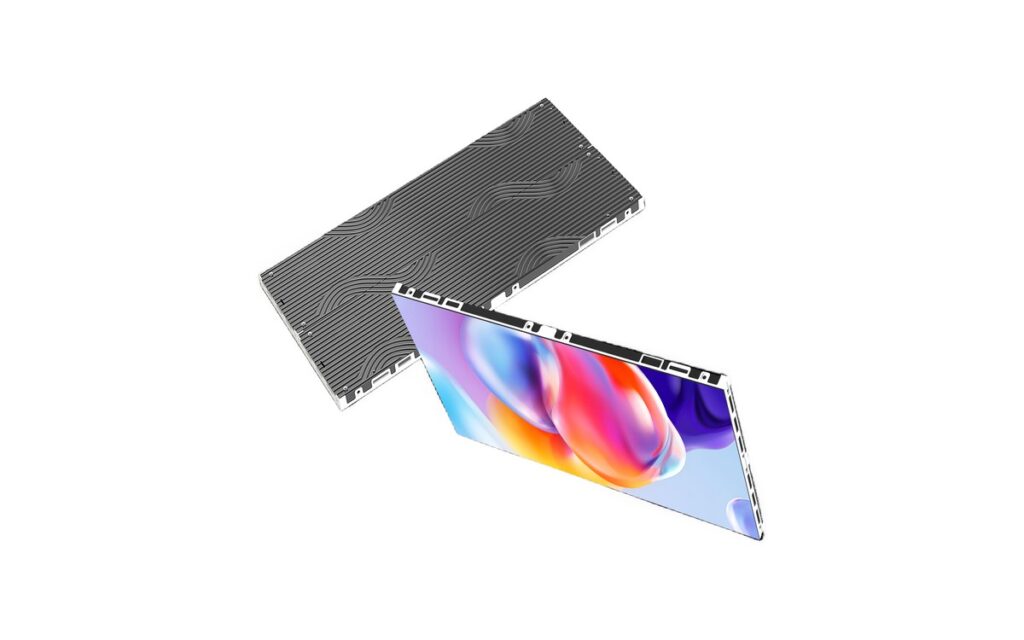
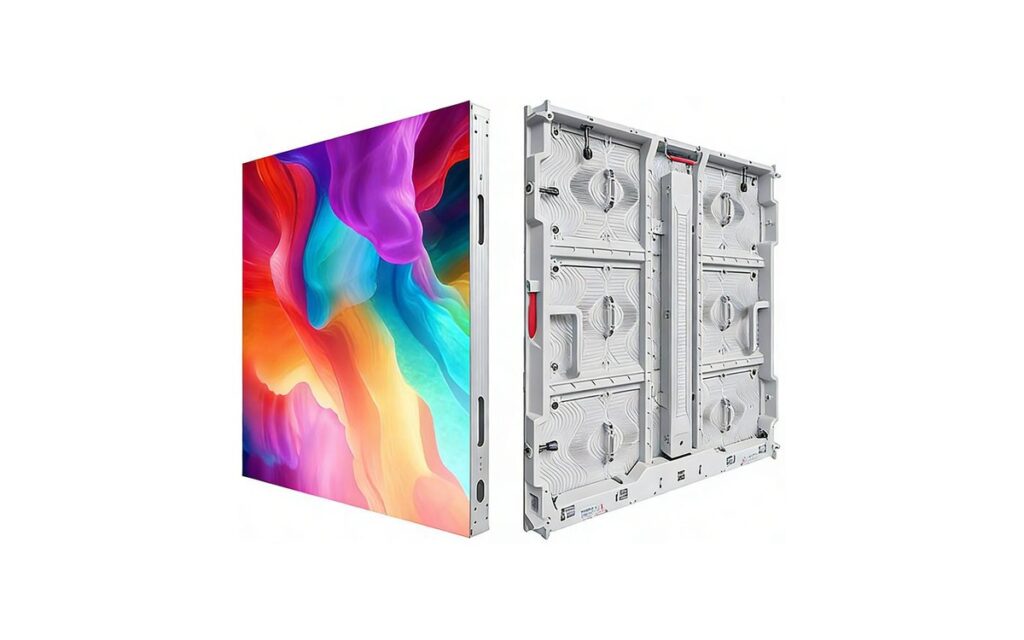
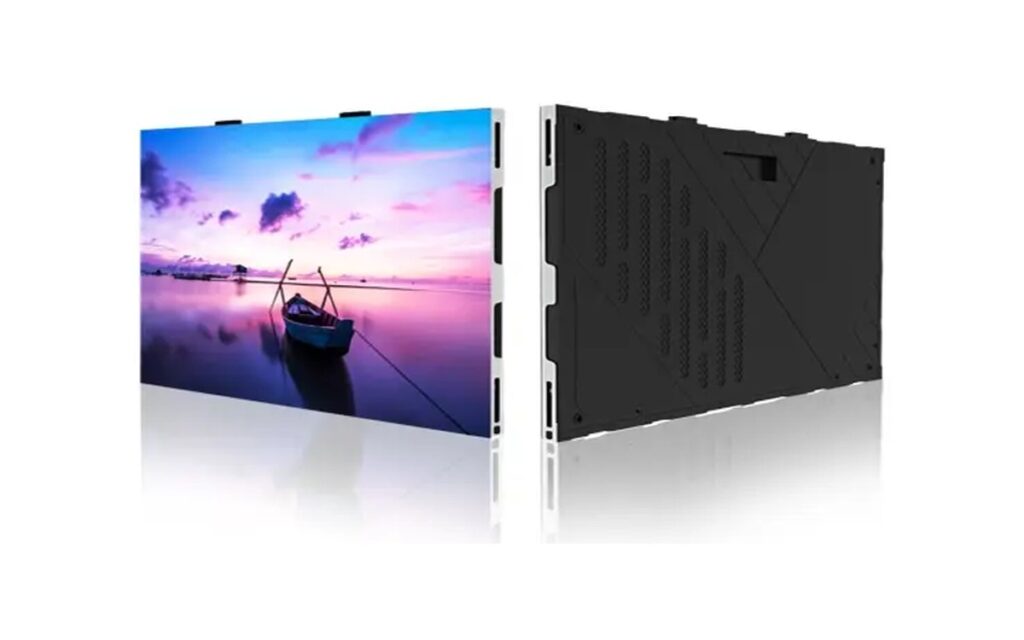
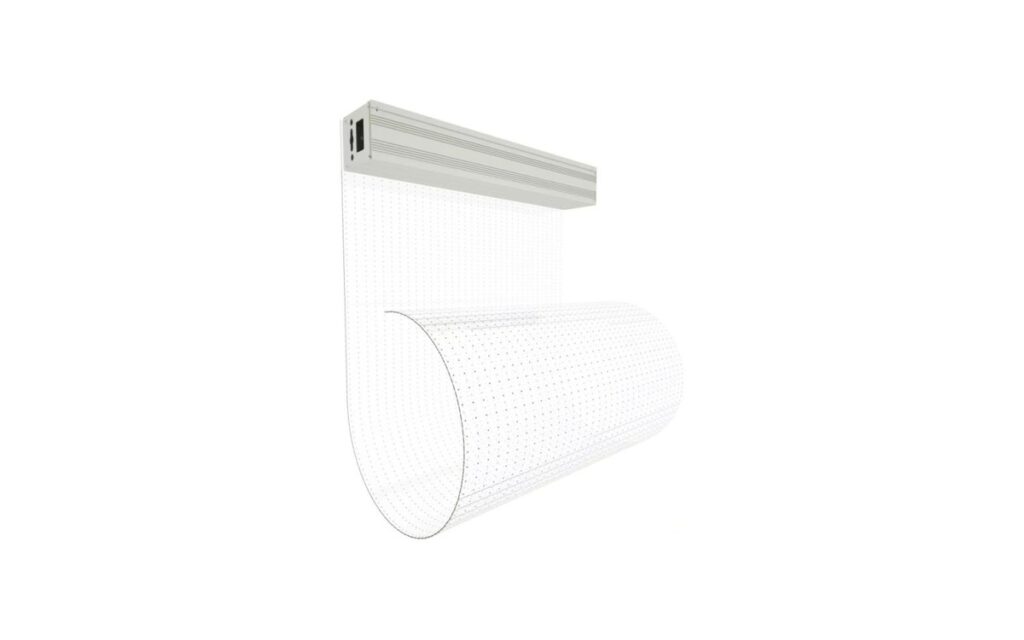
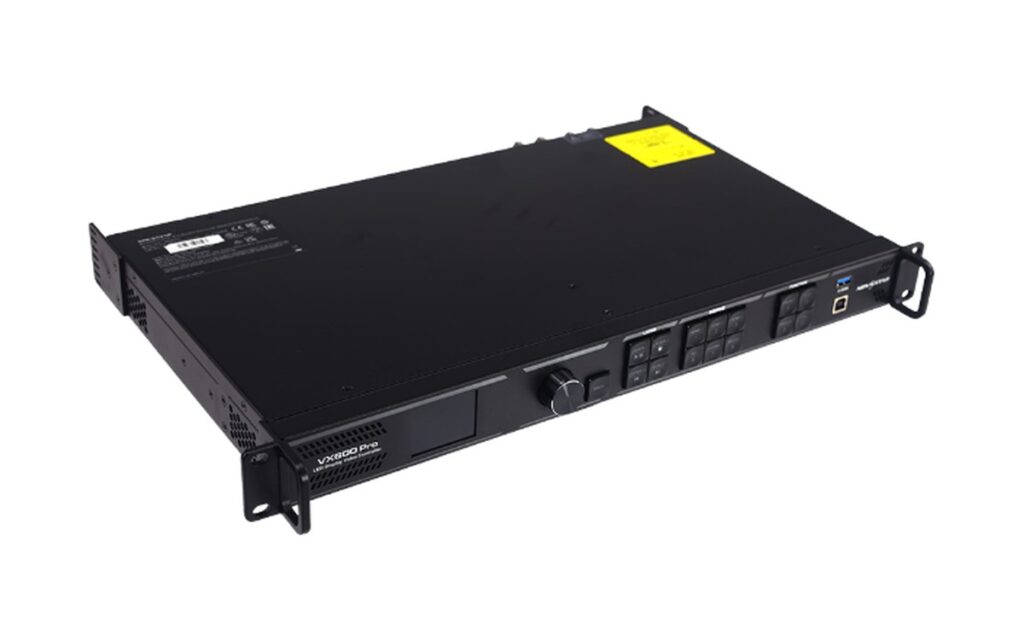
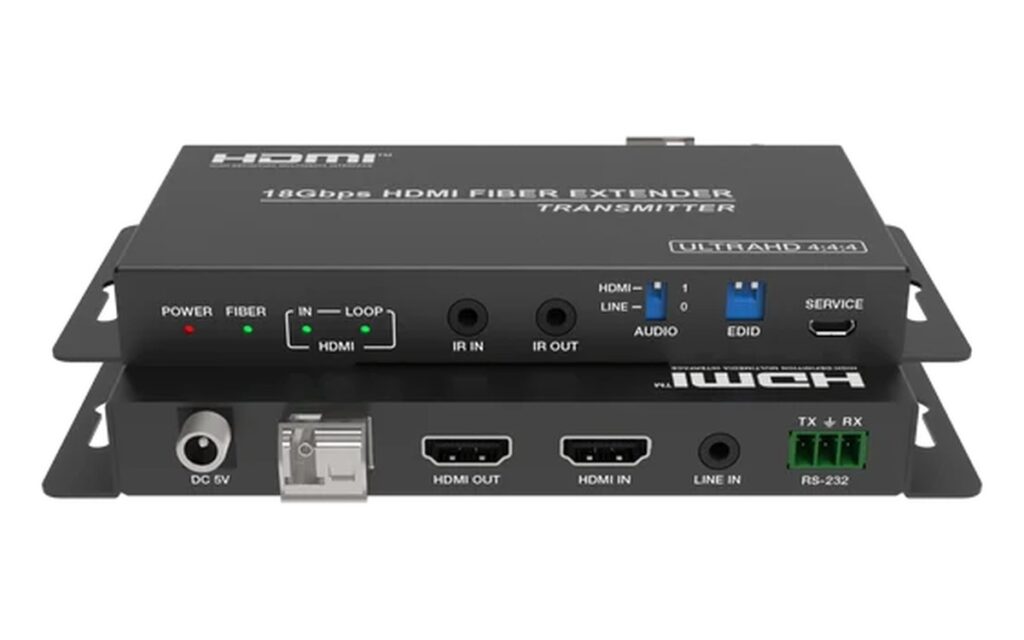




A cube is not a standard screen with a box around it. The frame, the module layout and the content are all designed for the shape, and the number of active faces decides both the cabinet count and how the content is produced.
How many faces, and which ones
| Build | Active faces | Typical use |
|---|---|---|
| Hanging cube | 4 sides | Exhibition halls, mall atriums |
| Full cube | 5–6 faces | Stage centrepiece, product launch |
| Base cube | 4 sides + top | Retail display, showroom |
Every active face adds modules and a receiving card, so the face count is the first cost decision. Most projects light four sides and leave the top and bottom dark, because the audience never sees them.
Frame and installation
The cube hangs from a steel frame or sits on a base. Hanging needs a rigging point rated for the full weight plus the frame; a base build needs a floor that can take the load and a service access plan. In both cases the modules are magnetic, so a failed module is replaced from the face.
For a hanging cube, confirm the suspension height and the viewing distance before fixing the pitch. A cube read from 8 m does not need the same pitch as one read from 3 m.
Content for a cube
Content is produced per face, not as one flat video. The usual approach is one visual that wraps the four sides, with the seams planned so the wrap reads correctly from the main approach angle. That planning happens before the processor is configured.
If the cube runs alongside a main stage screen, both can be driven from one processor with cluster control, so the reveal or the colour change happens on the same frame.
Where a cube works, and where it does not
A cube works when the shape is the message: a launch, a brand activation, a centrepiece that has to be photographed. It does not replace a wall for content that has to be read — text on a cube is visible from a narrow angle only.
Weight, rigging and floor load
A cube is heavier than it looks because the frame carries modules on several faces plus the internal structure. The rigging point must be rated for the cube weight plus the suspension and any dynamic load from movement nearby. For a hanging cube in an exhibition hall, the venue usually asks for the rigging plan before the build is approved.
A floor-standing cube is easier to approve but needs a level floor and a service gap. Leave at least 600 mm behind one face for access if the cube is not serviceable from the front, and check that the base can take the point load of the frame corners rather than the average.
Content workflow for a cube
Content is produced per face and then mapped. The usual workflow is: design the visual in a flat canvas, split it into faces with the seam positions marked, and test the mapping in the processor before the cube is built. Doing this early avoids the classic problem of a logo that lands across a corner.
If the cube is part of a launch, plan the trigger as well. A button, a console cue or a timecode can start the reveal, and the same cue can drive the stage screen so both change on the same frame.
Choosing pitch for a cube
Pitch follows the closest viewer, not the average. At a launch event the front row may be 3 m away, which puts P2.5 in range; in a mall atrium the nearest viewer is often 6–8 m away, where P3–P4 is enough and costs less. The face count multiplies the cost, so pitch is the second lever after faces.
For a cube photographed for press, add a brightness margin: the camera exposes for the room, and a dim cube turns into a grey box in the photos.
Common questions
P2.5–P4 depending on viewing distance. Indoor exhibition cubes usually sit at P2.5–P3; larger event cubes can use P4.
The frame is built to the size, so the cube is not limited to a standard cabinet grid. Module count and weight follow the size.
One processor drives all active faces. If the cube works with a stage screen, cluster control keeps both in sync.
Yes, with a frame designed for the load and a rigging point rated for it. The hanging plan is confirmed before production.
Most builds are fanless at module level; if equipment sits inside the cube, the frame design includes access and airflow.
Per active face plus the frame. The price guide covers the variables; a cube quote is usually face count first, pitch second.
It depends on size and face count; the frame is a significant share. The weight is confirmed with the structural drawing, not estimated from screen area alone.
Yes — rectangular boxes, L-shapes and multi-cube clusters are built from the same module and frame approach.