






























Creative LED Display Solutions
Bring custom shapes to life with spherical, cubic, cylindrical and ribbon LED forms for stages, venues and brand spaces.
- Spherical, cubic & cylindrical LED forms
- Flexible & ribbon displays for flowing contours
- Custom-shaped builds for stages & venues
- Mounting, processing & signal chain included
Typical Creative LED Project Challenges
These are the key technical factors to confirm before selecting a custom LED form:
- Custom shapes and sizes built to fit the space, not the other way around
- Mounting and support structures for non-standard forms
- Content mapped and processed for curved and three-dimensional surfaces
- Transport, assembly and service access for shaped builds
Choose the Right Custom LED Form
Spheres, cubes, cylinders, ribbons and DJ tables — built to the venue concept.
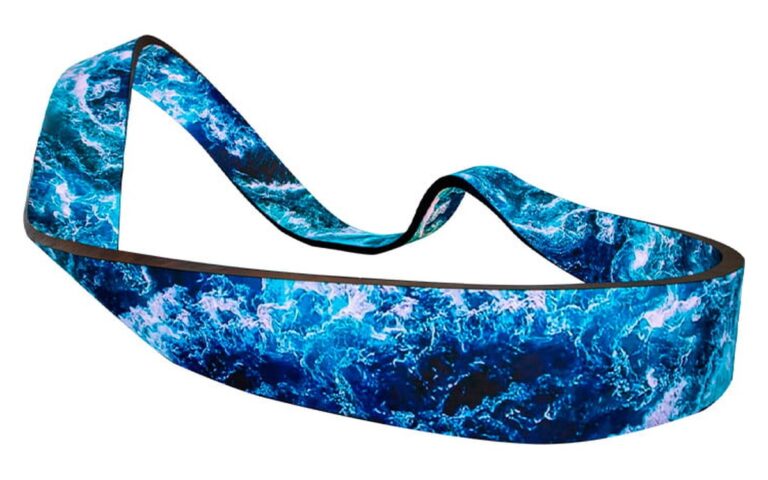
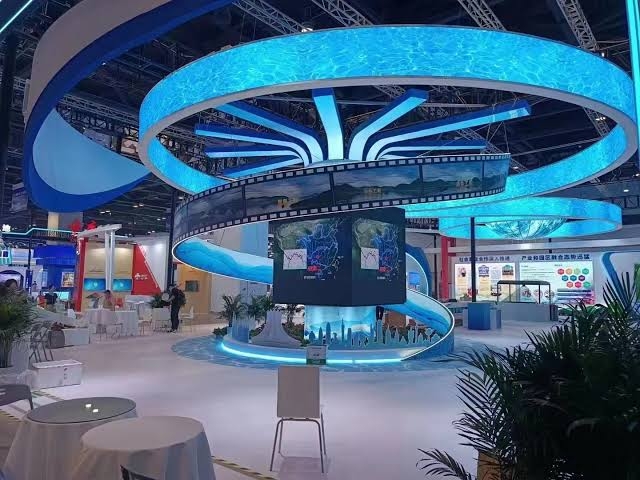
Ribbon-Shaped Series
Stage scenery, retail features, exhibition structures, branded interiors and architectural elements that use curved or linear visual surfaces
View details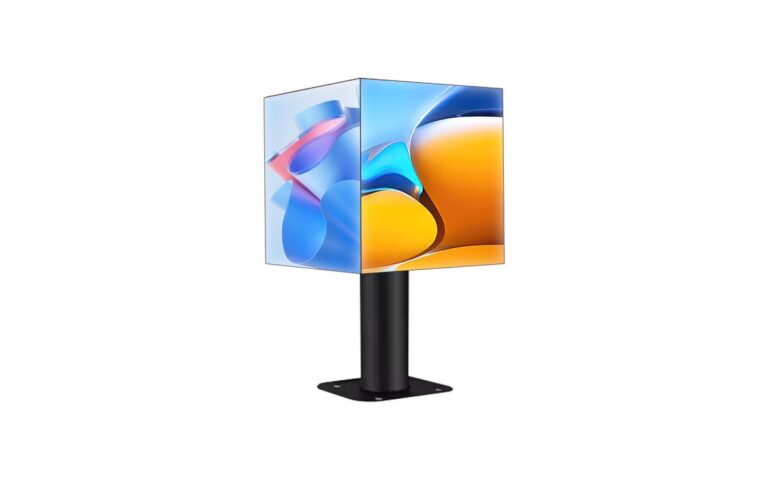
Magic Cube LED Displays
Exhibitions, stage features, retail displays, museums and branded installations requiring coordinated content across several viewing directions
View details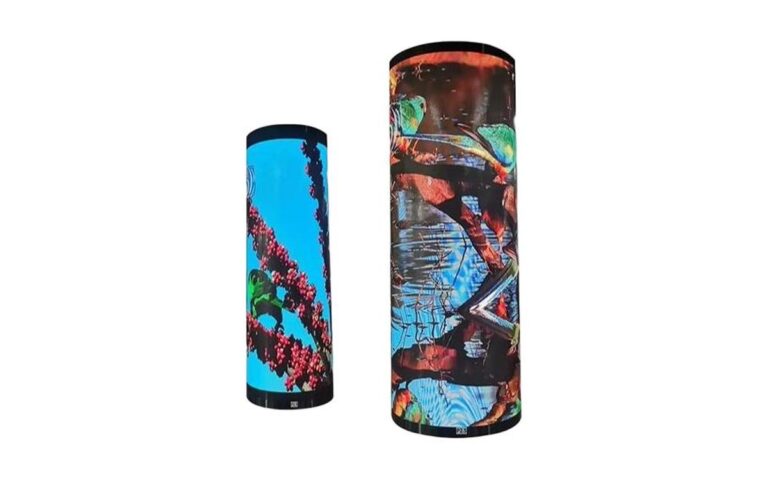
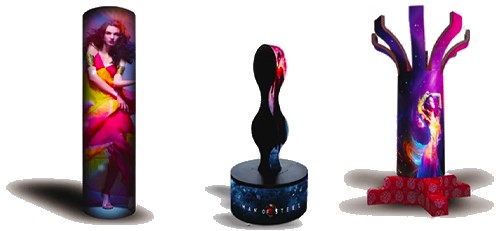
Cylindrical LED Displays
Venue columns, stage sets, exhibition stands, information points and architectural features intended for viewing from multiple directions
View details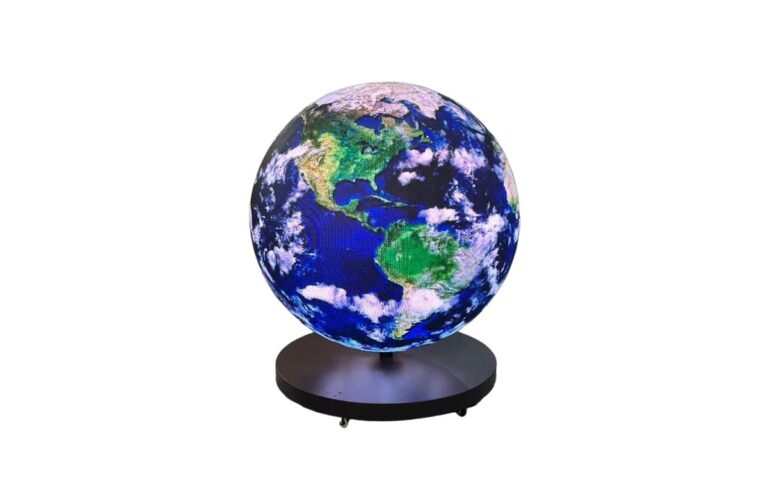
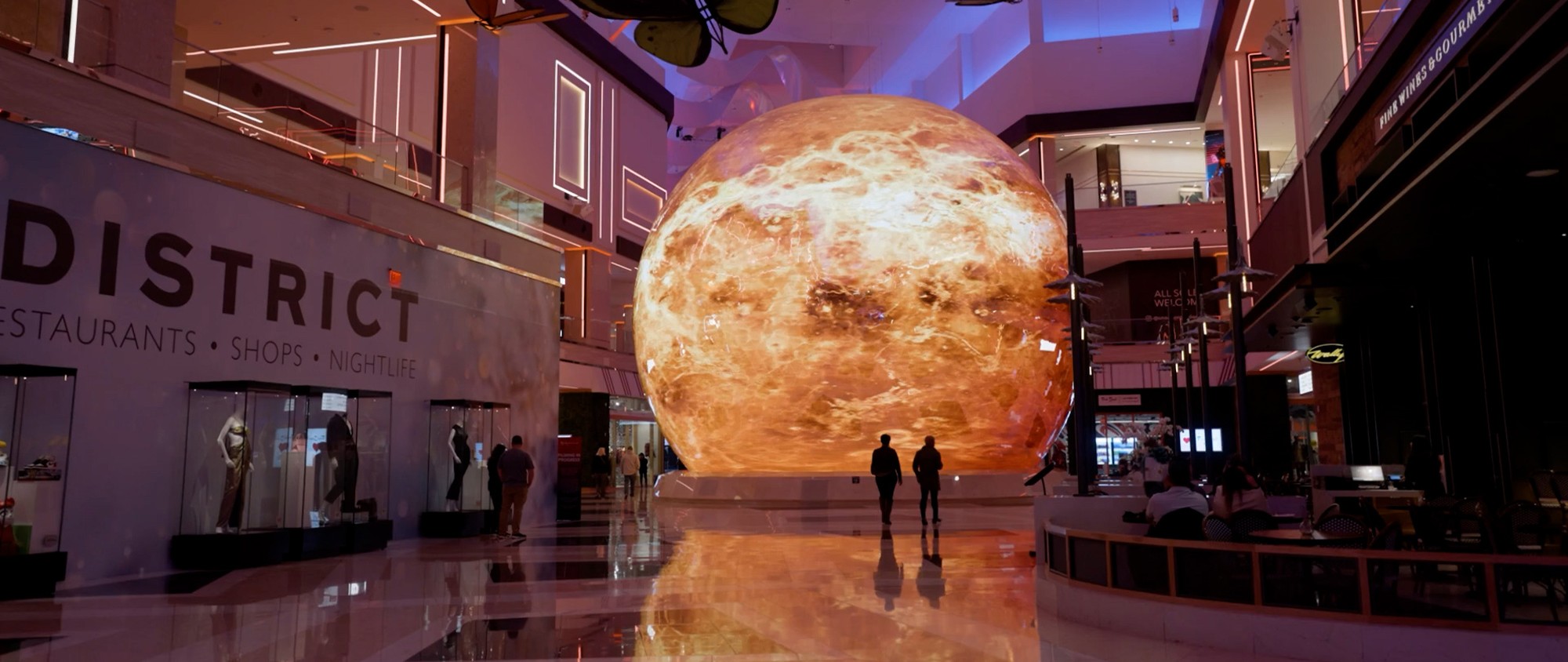
Spherical LED Displays
Exhibitions, themed venues, stage productions, museums and branded environments requiring a central display visible from several angles
View details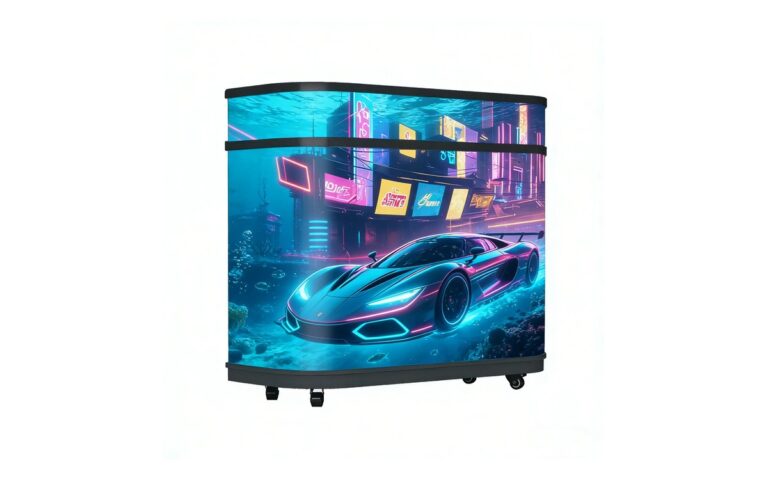
DJ Table LED Displays
Clubs, touring shows, festivals, event stages and branded performances combining visual playback with a working DJ position
View detailsQuick comparison
| Series | Best For | Key Consideration |
|---|---|---|
| Ribbon-Shaped | Flowing lines, scenery and edges | Confirm minimum radius, support and content mapping |
| Magic Cube | Sculptural focal points for events and venues | Confirm face layout, structure and mapping |
| Cylindrical | Columns, information points and stage sets | Confirm diameter, viewing angles and installation |
| Spherical | Suspended and floor-standing features | Confirm support structure, assembly and mapping |
| DJ Table | Performance and event furniture | Confirm size, portability and integrated equipment |
Which LED Form Works for Your Space?
Spherical and cube LED displays create sculptural focal points for stages, exhibitions and venues. Cylindrical displays suit columns, information points and stage sets, while flexible ribbon modules follow flowing architectural lines. The final form depends on the available space, viewing angles, mounting method and the content that will be shown.
Content mapping requirements can be reviewed with the project team before configuration.
Creative LED Project Planning Checklist
-
Define the visual role, shape and viewing angles
Start with the visual role of the display and the directions from which it will be viewed. Spheres and cylinders suit concepts that need visibility around an object, while cubes provide defined faces for separate or coordinated content. Ribbons can follow curves, edges or scenic lines. A DJ table combines display surfaces with an operational furniture form. The selected shape should support the venue concept without blocking circulation, sightlines or other equipment.
-
Review structure, load and shape limits
Then assess frame design, overall load, support points, cable routing and access for installation and maintenance. Indoor and outdoor use can require different protection, thermal planning and structural review, so confirm the proposed configuration against project conditions and the relevant datasheet. Modular construction can help adapt dimensions and curvature, but module layout, transitions and tolerances should be agreed before fabrication.
-
Confirm the mounting method before surrounding work
Mounting decisions should be made before surrounding scenic, architectural or furniture work is finalized. Confirm whether the display is floor-mounted, wall-supported, suspended or integrated into another structure. Allow for assembly sequence, load transfer, ventilation, power and signal routing, and safe access to serviceable parts. Decorative finishes should not prevent module removal or inspection of connections.
-
Plan content mapping for non-flat surfaces
Content for spheres, cylinders, cubes and ribbons is not handled exactly like a single flat screen. The physical pixel layout is typically translated into a content canvas or mapping template. Orientation, face changes, curves and visible seams should be checked with test material before final playback.
-
Coordinate design, structure and AV responsibilities
The designer, structural builder, AV integrator and display supplier should exchange drawings, control details and content requirements early, then confirm responsibilities for installation, commissioning and future service.
Recommended System Configurations
Typical creative LED setups we configure and supply as complete systems — shaped displays together with structures, processing and content workflow.
Spherical & Cube Stage Features
Spherical / Magic Cube displays + media server + content workflow review
View Related ProductsColumn & Cylinder Installations
Cylindrical displays + custom mounting + playback system
View Related ProductsFlowing & Ribbon Shapes
Ribbon-Shaped Series flexible modules + support structure + processing
View Related ProductsWhat We Need Before Quotation
- Concept image, rendering or reference photo
- Required overall dimensions
- Viewing angles and installation location
- Shape, radius or structural limitations
- Content source and target opening date
How to Select Your Custom LED Form
Configuration follows the space, the concept and the content — not a standard display format.
| Project Factor | What We Consider |
|---|---|
| Form and size | Sphere, cube, cylinder, ribbon or fully custom shape |
| Radius and module limits | Minimum radius and module size for curved forms |
| Mounting method | Floor stand, ceiling suspension, wall fixing or truss |
| Content source | Mapped 3D content, playback server or live input |
| Indoor or outdoor use | Environmental protection and brightness level |
| Assembly and access | Transport, on-site assembly and service routes |
Typical recommendations are a starting point only. Custom forms are confirmed against structure, content mapping and site conditions before fabrication.
Engineering Notes for Custom LED Forms
Provide project drawings early so custom geometry, structure, and content requirements can be reviewed together.
| Requirement | What to prepare or confirm |
|---|---|
| Drawings & site data | Prepare elevations, dimensions, site photos, and the target shape for design review. |
| Curvature limits | Confirm concave or convex capability; custom-form modules support curved builds, with degree limits confirmed per design. |
| Shape & corner options | Confirm 90 degree corners, cylinders, spheres, and free forms according to the design. |
| Installation structure | Confirm support structure, access routes, and service planning before fabrication begins. |
| Content mapping | Map content to the actual pixel layout; irregular canvases are not treated as flat 16:9 video. |
Final geometry, structure, and content are confirmed against the design drawings before production.
Creative LED System Capabilities
- Custom shapes: sphere, cube, cylinder, ribbon and bespoke forms
- Flexible LED modules for flowing and curved surfaces
- Content mapping requirements reviewed for 3D and non-flat surfaces
- Custom support structures and mounting hardware
- Indoor and outdoor versions for different venues
- Processing, signal and playback supplied with the display
Application References
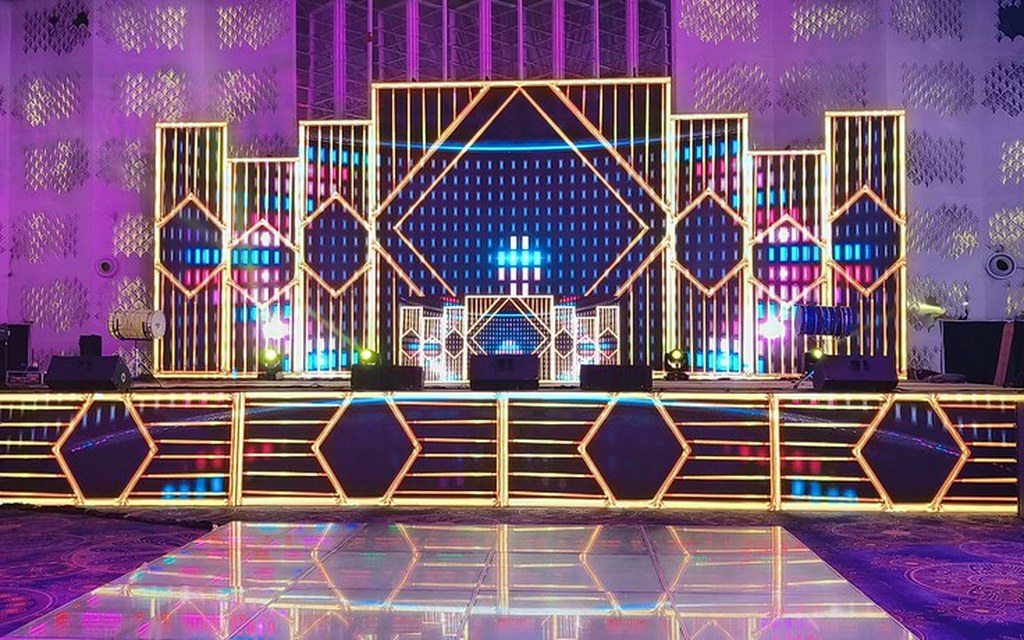
Typical creative configurations for reference. Each build is engineered to its own space, structure and content concept.
Creative LED FAQ
How should I choose the right display shape?
Choose the form from the viewing directions, audience distance, available footprint and visual role in the space. A cube can address several sides, while a cylinder or sphere supports viewing around the object. A ribbon can follow an architectural line, and a DJ table combines a working surface with display areas. Final selection also depends on structure, service access and content production.
What structural information is needed before design approval?
Before design approval, confirm overall dimensions, weight distribution, support points, suspension or floor loading, cable routes and access for assembly. The supporting structure should be reviewed by the responsible contractor or engineer for the installation method and local requirements. Moving, flown or public-access installations may need additional controls. Display geometry and frame tolerances should be coordinated early because irregular forms leave less room for site adjustment.
Can creative LED displays be used outdoors?
Suitability for indoor or outdoor use depends on the selected product configuration and project conditions. For outdoor work, confirm environmental protection, operating temperature, wind exposure, drainage, corrosion considerations, brightness needs and electrical protection against the relevant datasheet. Indoor projects still need ventilation, heat management, fire and venue compliance review. Do not assume a creative shape has the same specification as a standard flat cabinet.
How is content prepared for a non-flat LED display?
Non-flat screens generally require content to be mapped to the physical LED surface. The workflow may use a flat canvas, multiple faces or a custom template, depending on the shape and control system. Confirm pixel layout, orientation, visible areas, seams and signal paths before final rendering. Test files on the assembled display when possible, because motion, text and perspective can appear different on curved or multi-sided surfaces.
How should maintenance access be planned?
Plan access to modules, power supplies, receiving equipment, connectors and structural fasteners. The preferred access direction depends on the product construction and surrounding finish. Removable cladding, rear clearance or front-service provisions may be required. Cable loops and ventilation paths should remain accessible after decorative work is installed. For suspended or integrated pieces, agree safe removal procedures and replacement routes before fabrication starts.
What information should I provide for a project review?
Provide concept drawings, target dimensions, intended shape, installation location, indoor or outdoor use, viewing directions, mounting method and expected operating schedule. Also share available power, signal source, control requirements, content format, access restrictions and any venue or contractor standards. Photographs or models of the surrounding structure are useful. LINEX can then review feasible module arrangement and system interfaces, subject to detailed project confirmation.