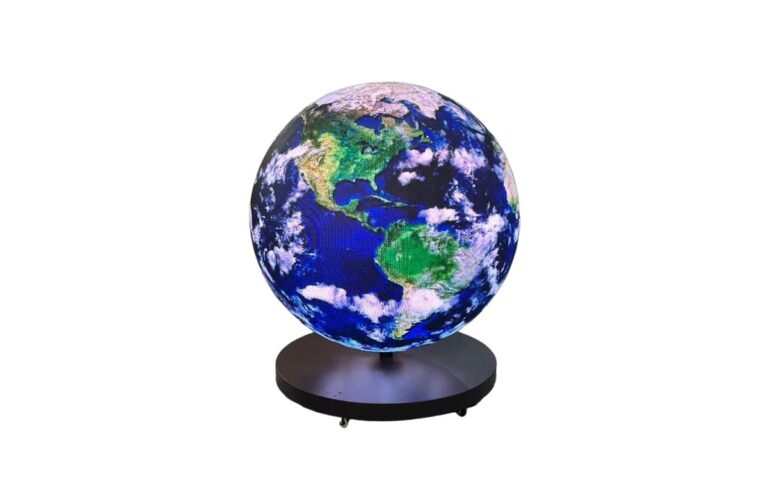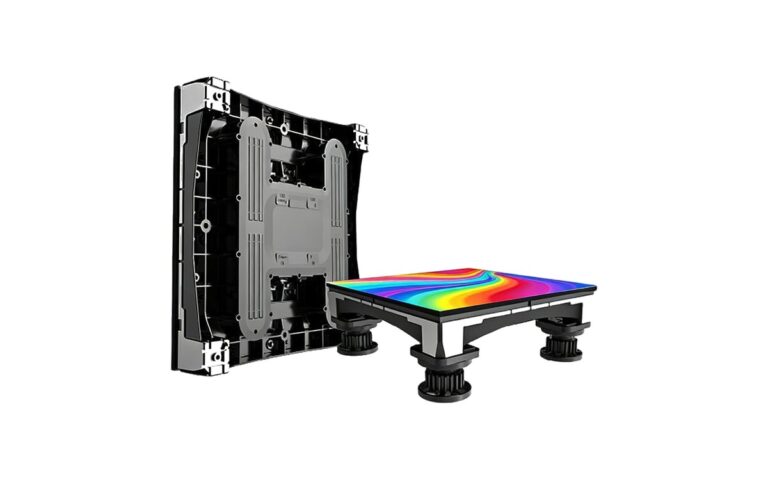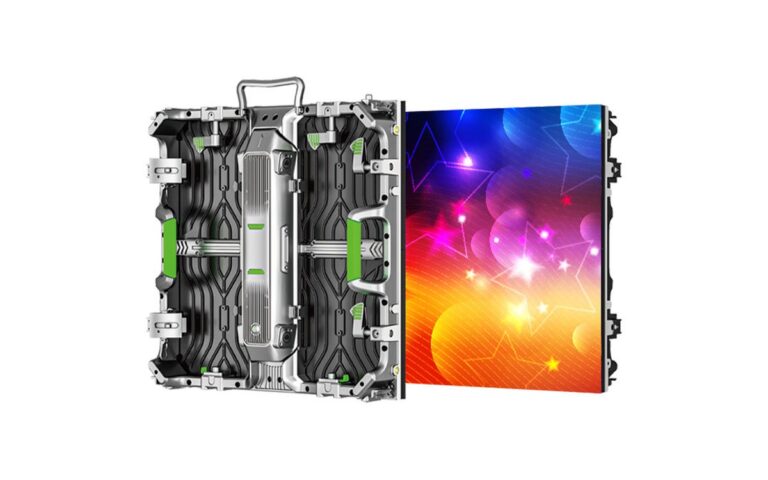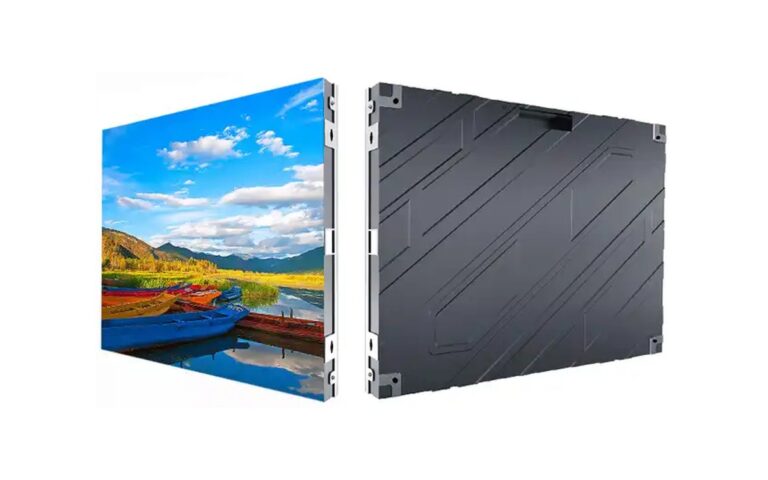
Event and rental companies ask for a price per square metre because it is easy to compare. The problem is that the figure only means something once the seven variables behind it are fixed. A P3.91 indoor cabinet and a P3.91 outdoor cabinet share a pitch but not a price, a weight, or a service life.
This guide explains what actually moves a rental LED quote, so you can compare offers on equal terms instead of comparing a headline number.
1. Pixel pitch and viewing distance
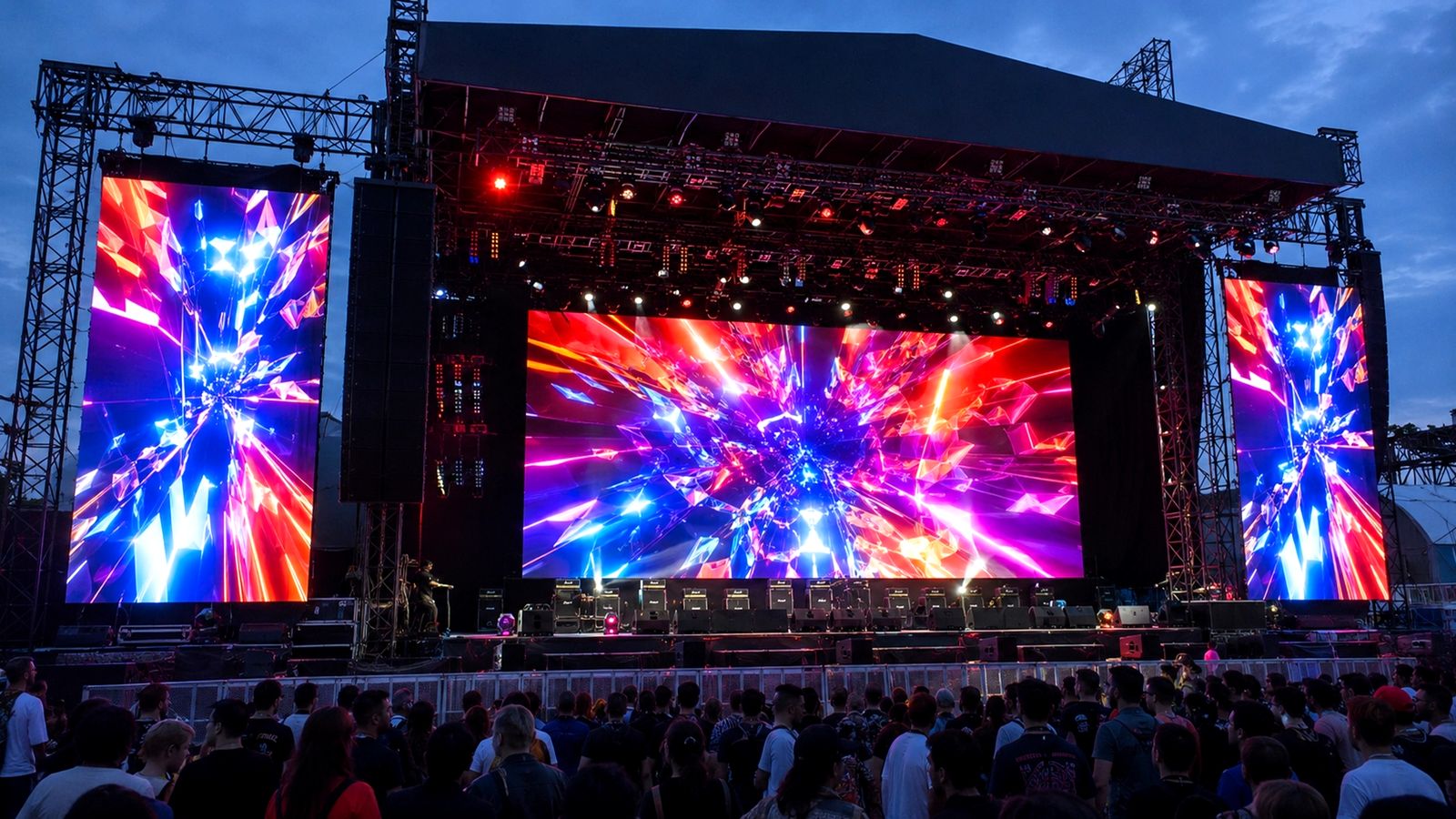
Pitch sets how many LEDs sit behind every square metre. P2.6 uses roughly twice the LEDs of P3.91 for the same area, so the module cost rises faster than the pitch number suggests. For stage work, P2.6–P4.81 covers most projects: finer pitch for front rows and camera work, wider pitch for large outdoor stages viewed from 10 metres or more.
A practical starting rule is 1 mm of pitch per metre of closest viewing distance. It is a rule of thumb, not a standard, and content matters — text and product close-ups expose pixel structure sooner than bold stage visuals.
2. Brightness and indoor or outdoor version
Indoor rental cabinets typically run 800–1,200 nits; outdoor rental cabinets need 4,500–5,500 nits and a sealed enclosure. Higher brightness means more powerful LEDs, bigger power supplies and more heat, which changes both the cabinet and the price. If a quote looks unusually low for an outdoor event, check the brightness figure first.
3. Cabinet construction
Die-cast aluminium cabinets dominate rental because they hold alignment after repeated assembly. Weight, wall thickness, corner design and lock quality decide how the wall behaves after 30 shows. A 500×500 mm cabinet usually lands between 8.5 and 13 kg depending on the series; a lighter cabinet is easier to fly but may flex more. Curved options and 90-degree corner pieces are extra tooling and must be ordered with the batch.
4. Electronics package
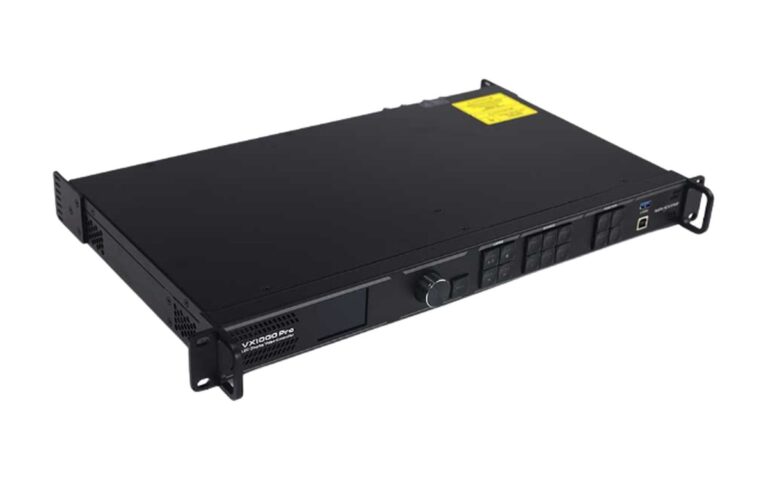
This is where most hidden differences sit: LED lamp brand, driver IC, power supply brand, receiving card, and whether the control system is Novastar, Colorlight or a budget alternative. The same cabinet can be built with different grades of these parts. Ask for the bill of materials, not just the pitch — a cheap power supply is the most common cause of failures in the first year.
5. Quantity and spare ratio
Per-square-metre price drops as quantity rises, because setup, programming and freight are spread across more cabinets. Rental buyers should also budget a spare ratio — commonly 3–5% of modules and one or two spare power supplies per 20 cabinets. Spares are part of the real cost of a fleet, not an optional extra.
6. Freight, duties and insurance
LED cabinets are bulky rather than heavy. A 40 m² rental wall may need 6–10 cubic metres of container space once flight cases are included. Air freight is fast but rarely economical for cabinets; sea freight adds transit time and destination charges. Duties and clearance belong in the landed-cost calculation, and they differ by country.
7. After-sales and spare-part continuity
A rental fleet lives for years, so the supplier’s ability to ship matching modules, power supplies and cards two years later matters more than a small price difference. Ask how long the model stays in production, what the spare-part lead time is, and whether the same bin and batch can be supplied for expansion.
| Cost driver | What raises the price | What to confirm in writing |
|---|---|---|
| Pixel pitch | Finer pitch, more LEDs per m² | Pitch, module size, resolution per cabinet |
| Brightness and IP | Outdoor version, higher nits, sealed enclosure | Nits, IP front and rear, power consumption |
| Cabinet | Aluminium die-cast, curved or corner pieces | Material, weight, flatness, lock type |
| Electronics | Branded lamps, ICs, power supplies, control system | Bill of materials, refresh rate, warranty terms |
| Quantity | Small orders carry fixed setup cost | Price break, spare ratio, packing method |
| Freight | Volume, air vs sea, destination charges | Incoterm, volume, insurance |
How to compare two rental quotes fairly
Put both offers into the same table: pitch, nits, cabinet size and material, cabinet weight, LED lamp and IC brand, power supply brand, control system, refresh rate, spare ratio, packing, Incoterm and warranty. Any line the supplier cannot fill in is a question worth asking before the deposit. A quote that is 20% cheaper usually has three or four lines with weaker specifications — that is not automatically wrong, but it should be a decision, not a surprise.
Why we do not publish a fixed price list
Because the same 20 m² stage can be built in dozens of configurations, a public price would be either misleading or meaningless. We quote per project: send the stage size, the closest viewing distance, indoor or outdoor use, and the destination country, and the quote comes back with the configuration written out line by line.
FAQ
No. Outdoor cabinets need higher brightness, a sealed enclosure and often a heavier frame, so the per-square-metre price is higher than an indoor cabinet of the same pitch.
Usually because the LED lamp brand, driver IC, power supply, receiving card or control system differs, or because one quote excludes flight cases, spares or freight.
Yes, up to a point. Setup, programming and freight are spread across more cabinets, so larger orders usually get a better rate. Ask for the price break at your target quantity.
Yes. A common approach is one spare cabinet per 20–30, plus spare modules and one or two power supplies. Spares protect show schedules and are cheaper than emergency freight.
LED and electronics prices move with component costs, so quotes are usually valid for 15–30 days. Confirm the validity date before planning a purchase.
Send your stage size, pitch target and destination through the inquiry form and we will quote the full configuration. You can also review the rental LED display range, the 500×500 Rental-H series, or the rental and stage solutions before you write the brief.
Per square metre of screen, with cabinets, control system, structure, installation and spare parts scoped separately. The LED wall price guide explains the five cost drivers and why two quotes for the same pitch can differ.