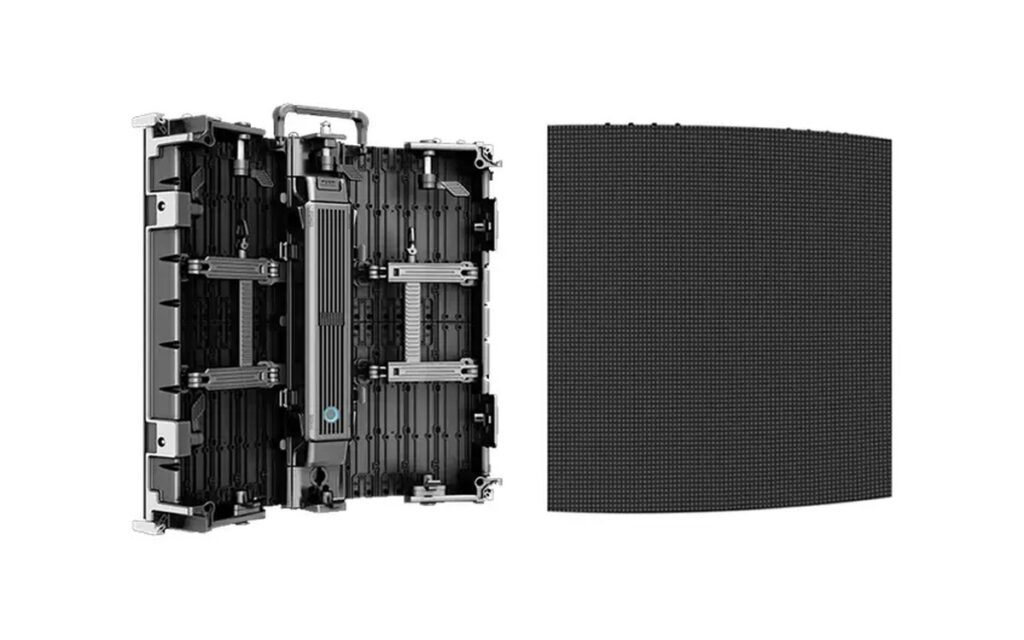
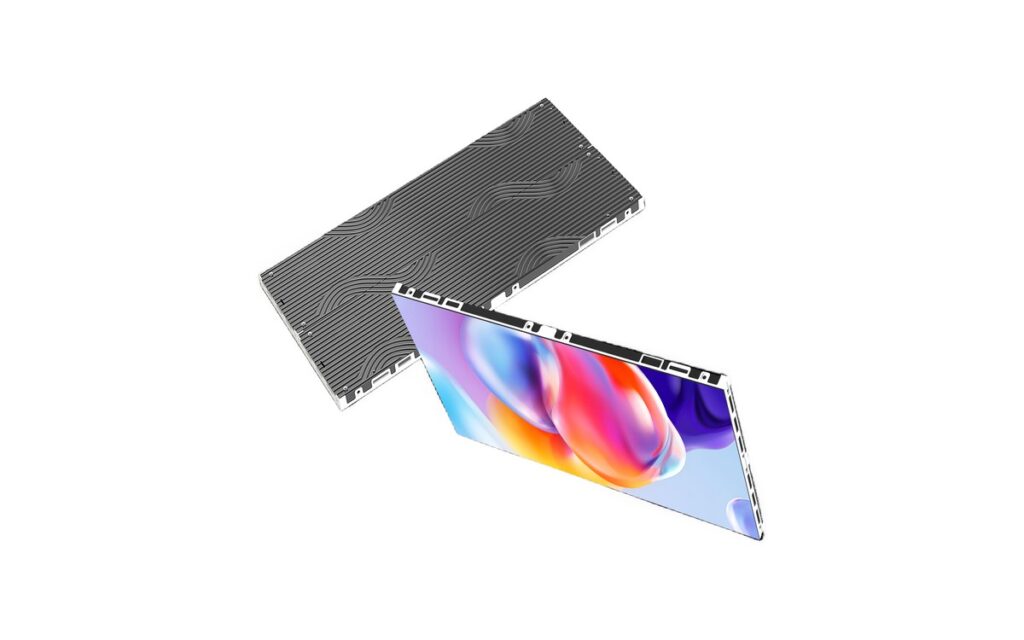
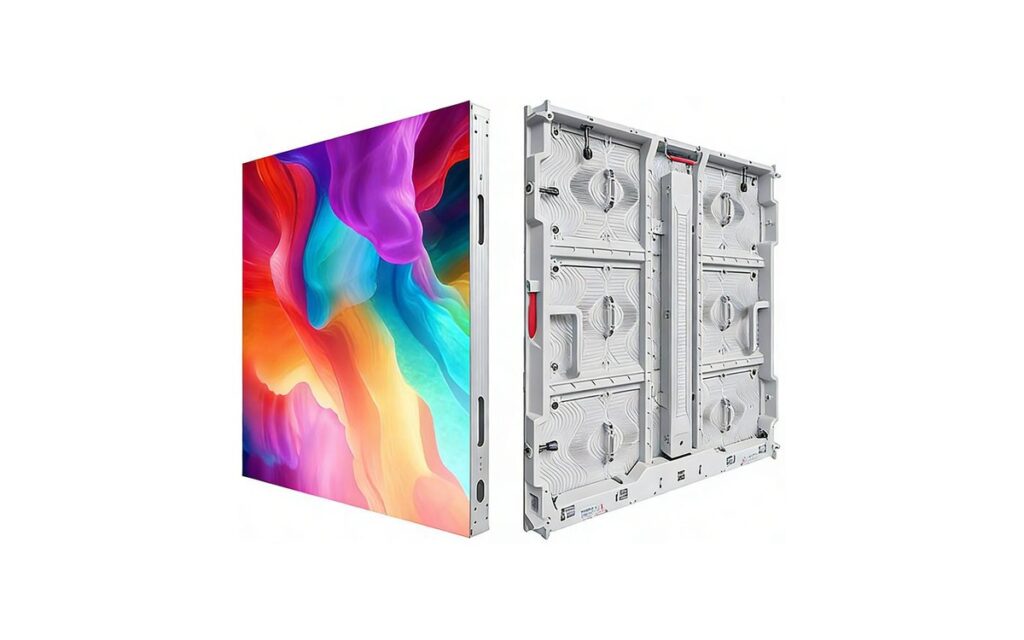
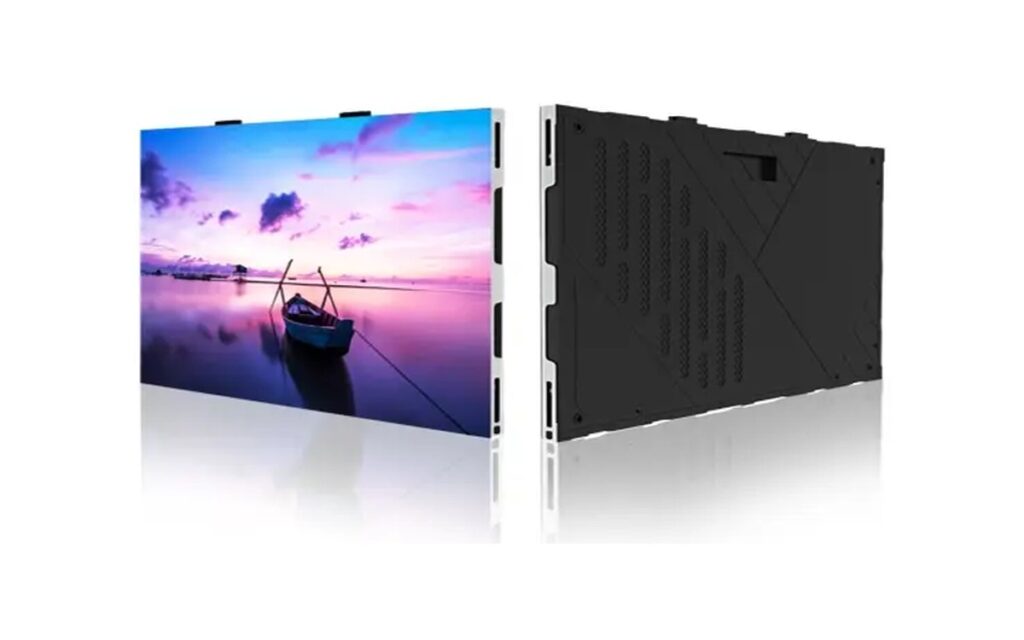
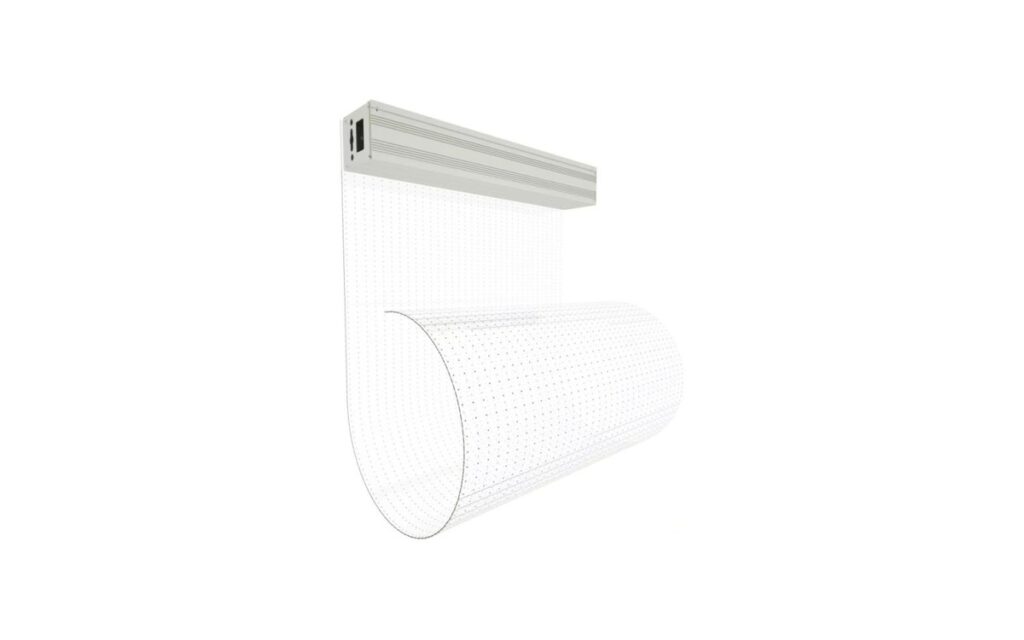
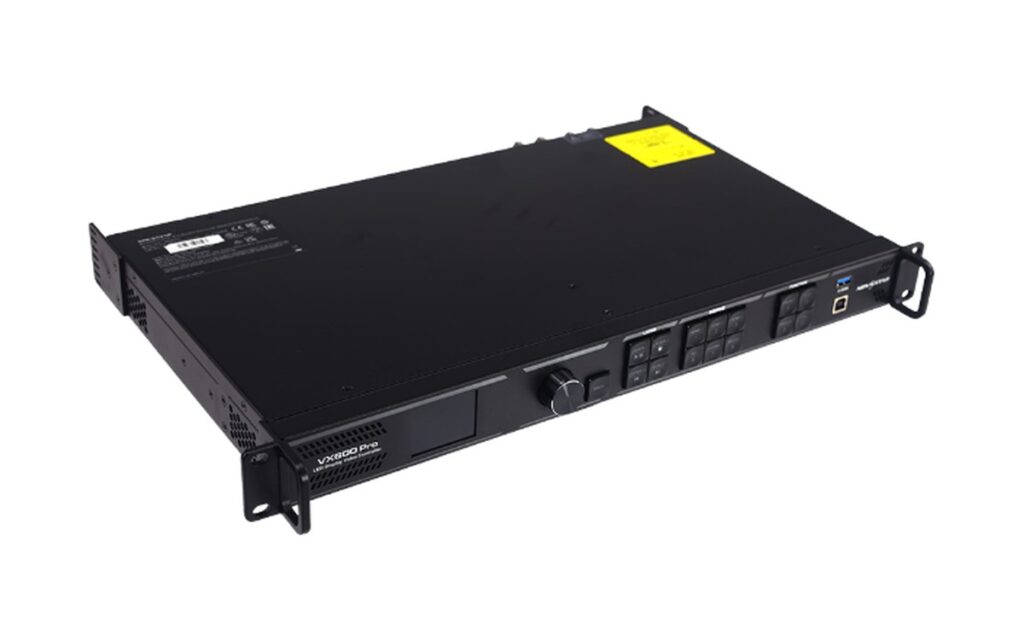
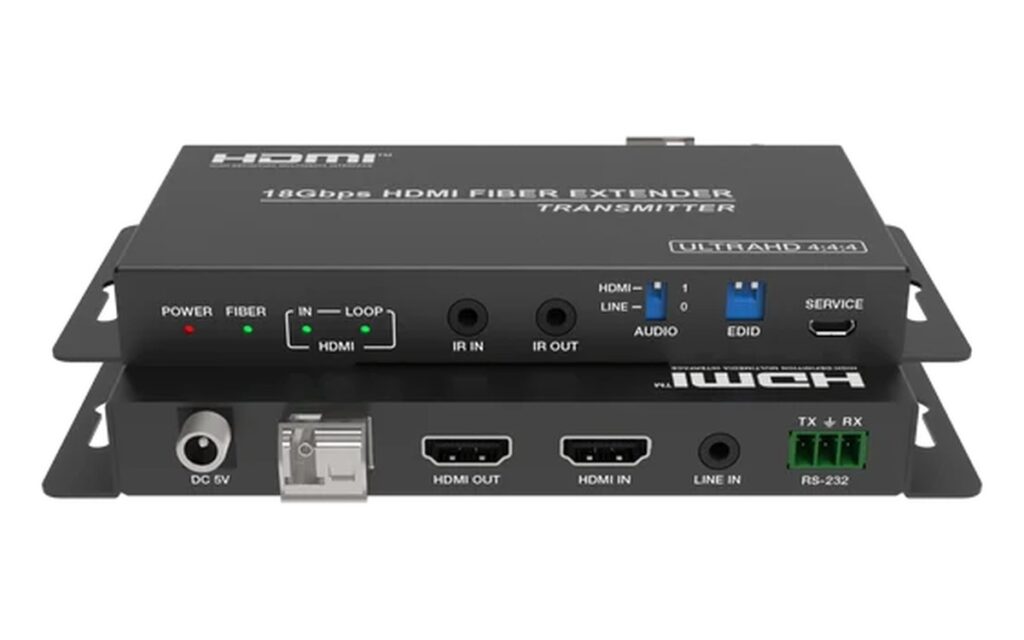
Perimeter board or stadium screen: different specs
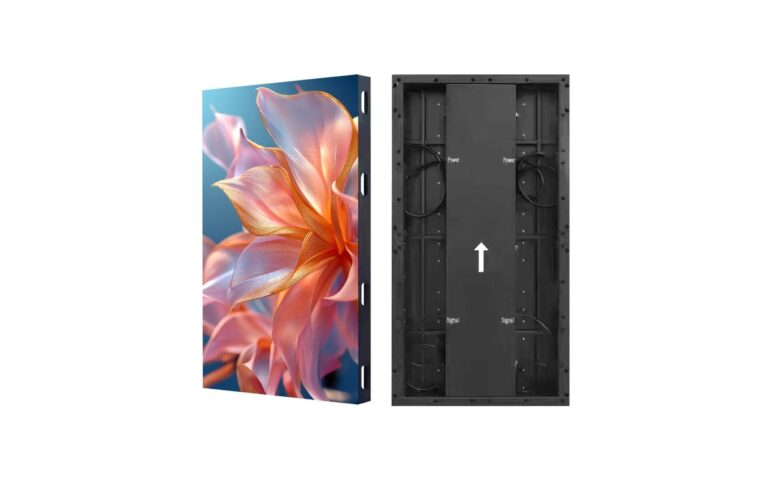
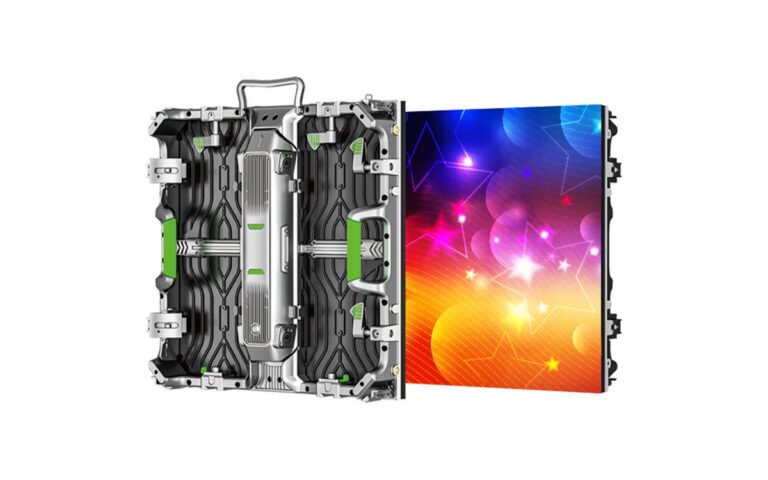
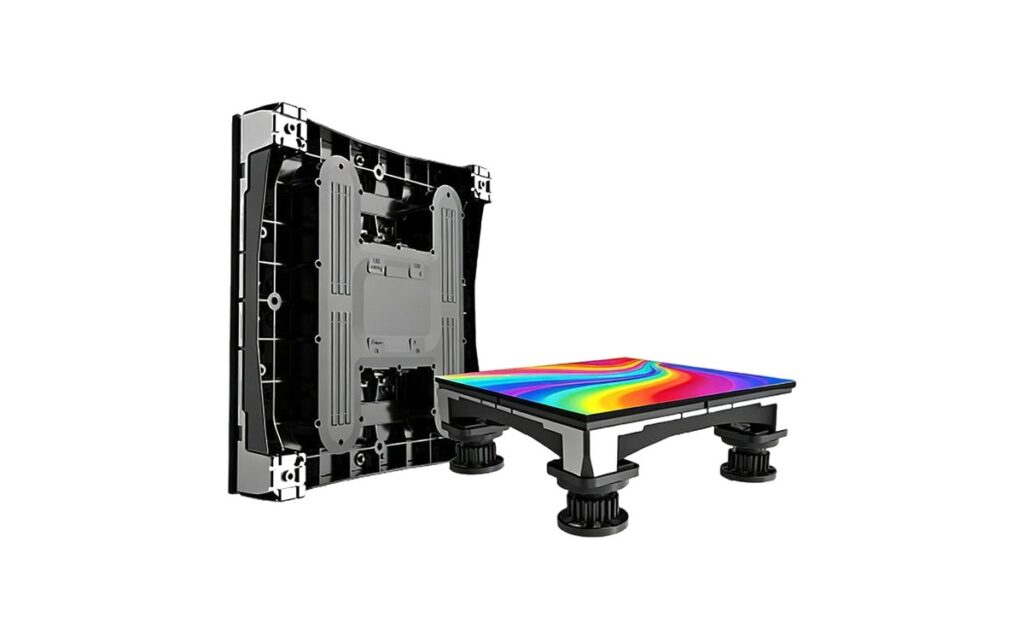
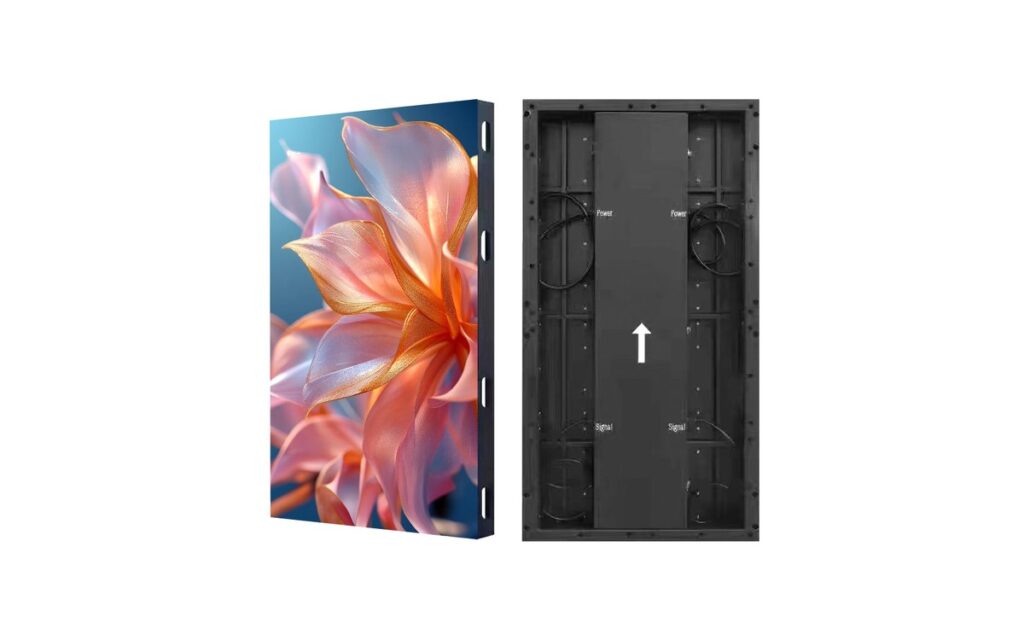
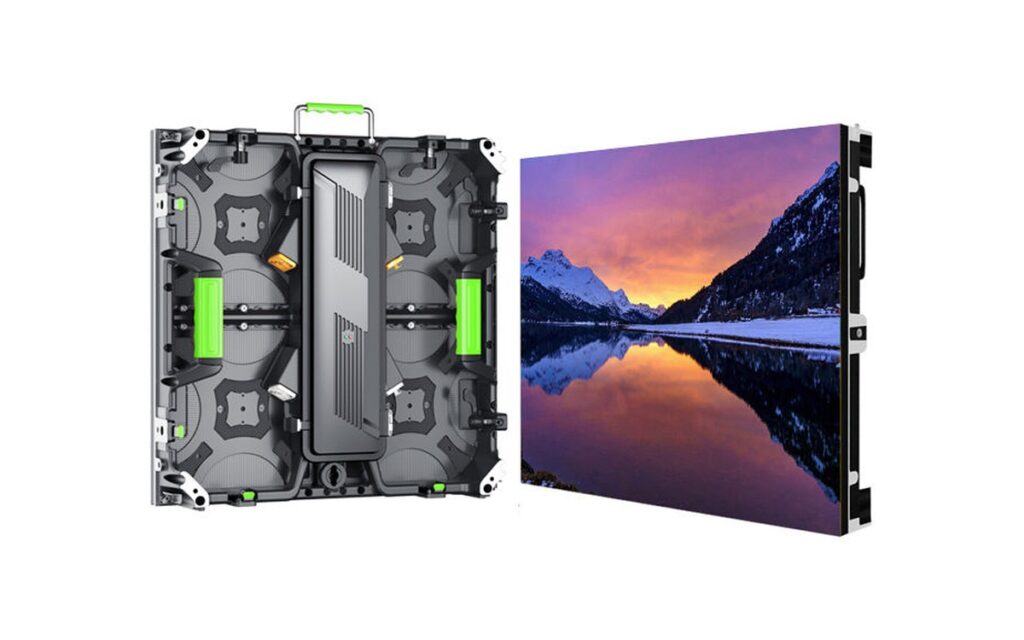
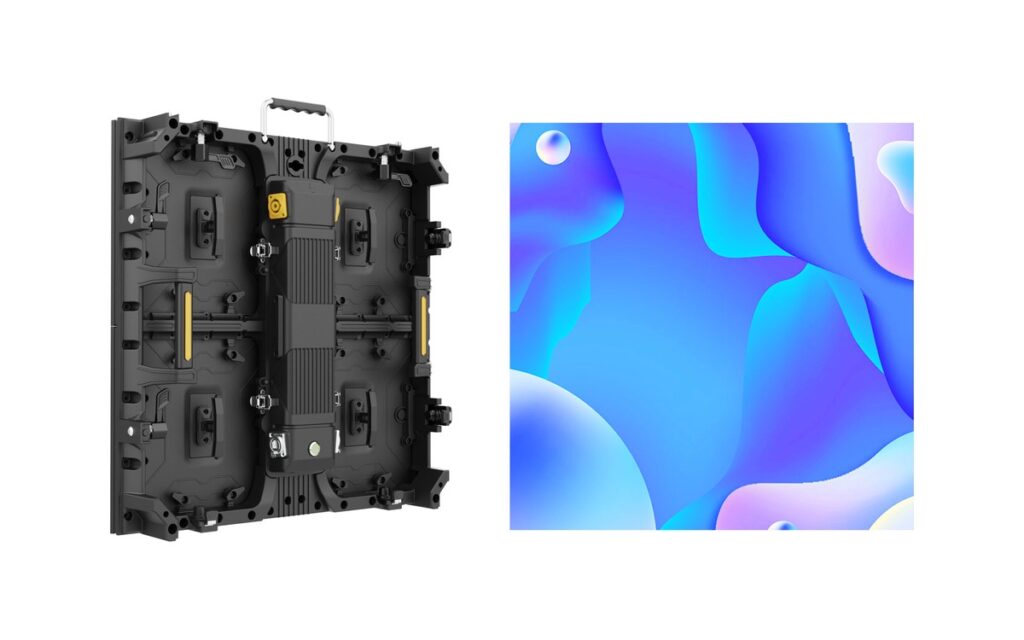
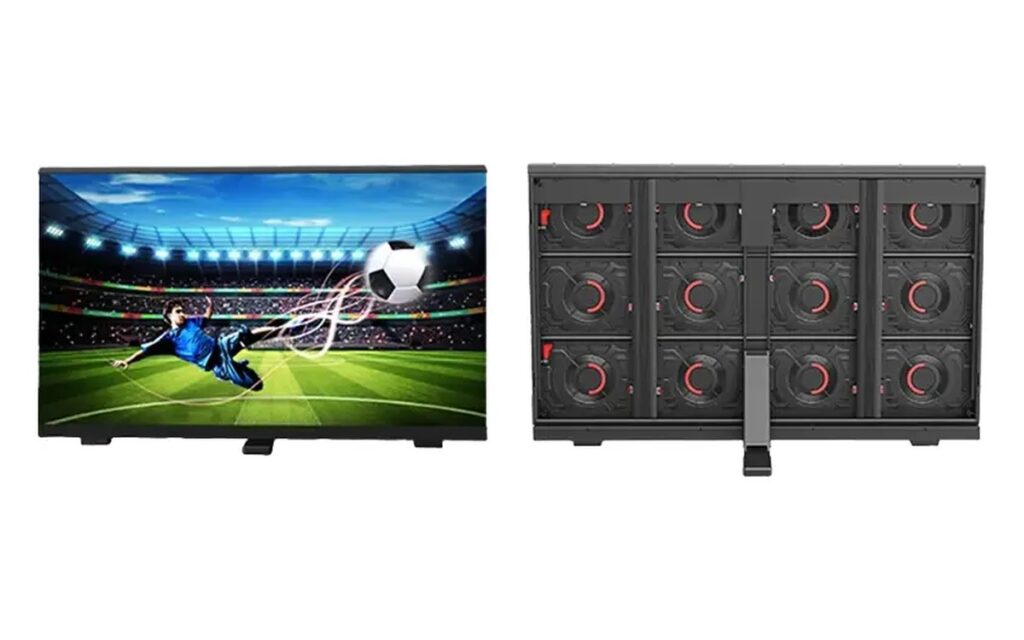
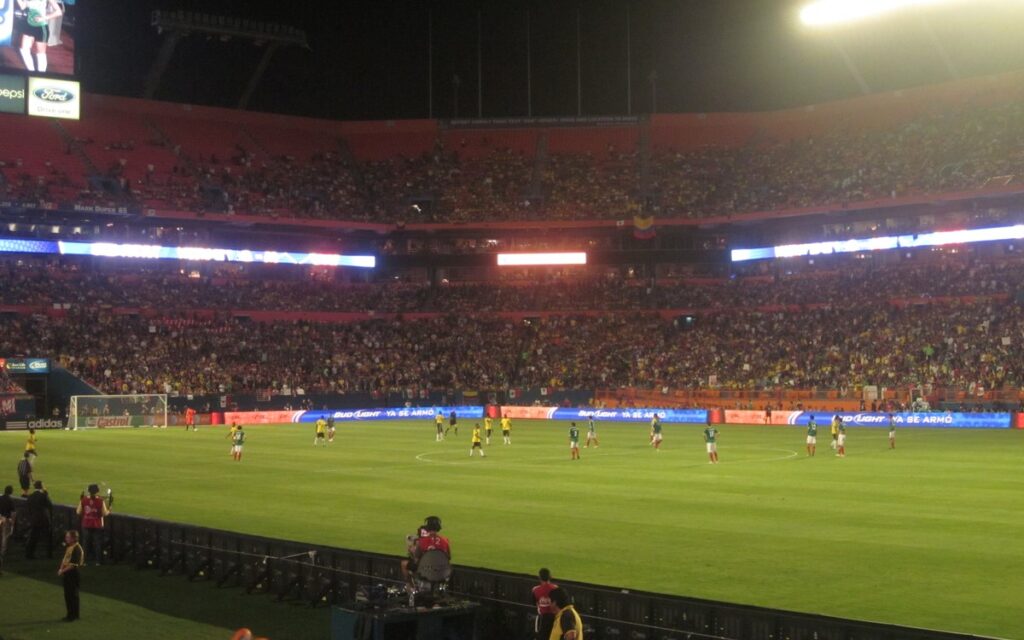
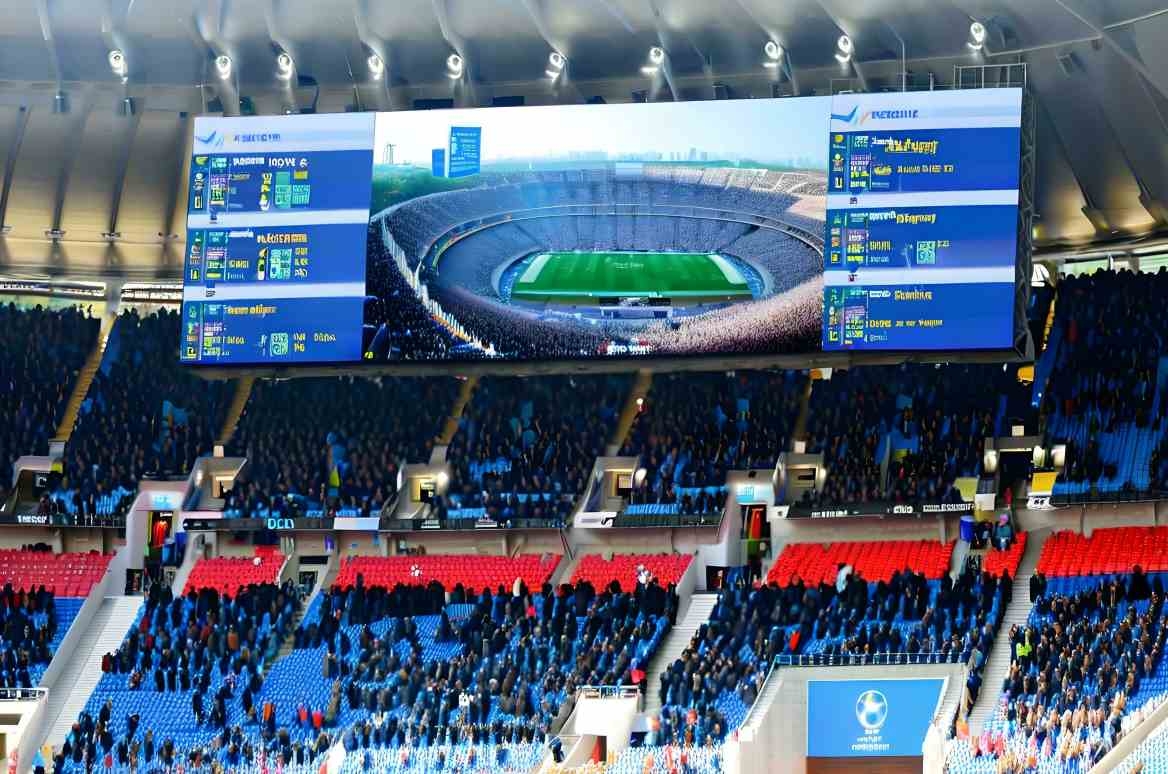
A perimeter LED display is a strip, usually 800–1,200 mm high, mounted at pitch level. The audience is the camera. Broadcast slow-motion replay exposes refresh rate and scan lines, so the board needs 3,840 Hz or higher and consistent brightness across cabinets. A stadium screen is a larger fixed installation higher on the stand, where spectators watch directly and pitch matters more.
| Parameter | Perimeter board | Stadium screen |
|---|---|---|
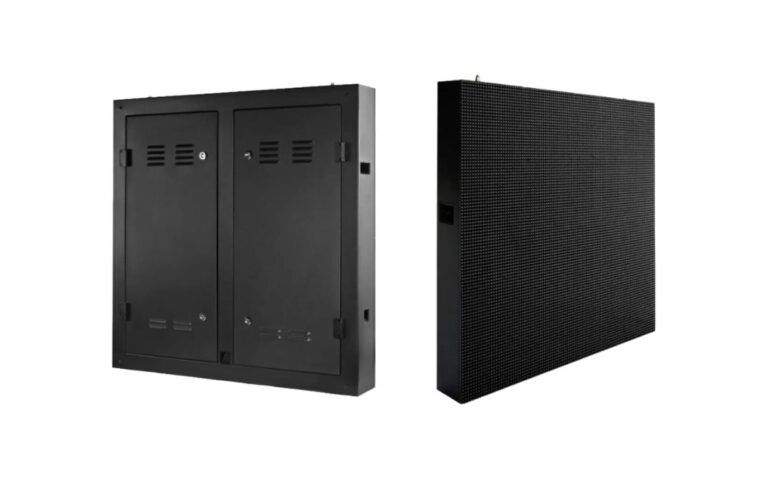
| Typical cabinet | 1600×900×101 mm | 960×960 or 1440×960 mm |
| Pixel pitch | P6.67–P10 | P4–P8 |
| Brightness | 6,500–10,000 nits | 5,000–8,000 nits |
| Protection | IP68 front / IP66 rear | IP65 front / IP65 rear |
| Refresh | 3,840 Hz and above | 1,920–3,840 Hz |
Why refresh rate comes before pitch
At 50–60 Hz content, a board can look perfect to the eye and strobe on camera. Broadcast cameras sample at frame rates that beat against low refresh panels, producing dark bands. If the venue sells broadcast rights or streams matches, specify 3,840 Hz minimum and ask for a camera test, not a datasheet number.
Brightness, heat and power on a perimeter line
A 100 m perimeter at 8,000 nits draws serious power and generates heat in direct sun. Cabinets need ventilation paths that do not let water in, and the power distribution should be split into circuits that can be isolated during maintenance. Ask for the maximum and average power per cabinet, not per square metre, so the electrical plan matches the actual product.
Structure, impact and service
Perimeter boards take ball impact, cleaning equipment and occasional vehicle contact. The mounting frame, quick-release brackets and spare-part plan matter as much as the panel. Specify how a cabinet is swapped during a match day, and keep 2–3% spare cabinets with receiving cards on site.
What to include in the inquiry
- Perimeter length and height, and whether the venue is indoor or outdoor
- Broadcast requirement: streaming only, or slow-motion replay
- Mounting method: freestanding frame, wall bracket or integrated into seating
- Power availability and distance from the control room
- Spare-part ratio and service access requirements
Content, sponsorship and match-day workflow
Perimeter content is sold in loops: sponsor rotations, match clock, replays and crowd prompts. The control system has to switch between live video, pre-built sponsor loops and the scoring feed without black frames. Ask how the processor handles transitions, whether it supports multiple inputs with seamless switching, and whether the operator can trigger sponsor loops from a tablet.
Sponsor contracts often specify exposure time and rotation order. The screen software should log what played and when, because that log is the evidence behind the sponsorship invoice.
Procurement checklist for venue buyers
- Broadcast requirement written down: streaming, highlight clips or slow-motion replay
- Refresh rate verified by a camera test, not a datasheet
- Cabinet height and perimeter length measured on site, including corners
- Power per cabinet and circuit plan agreed with the venue electrician
- Service plan: how a cabinet is replaced during a match day
- Spare cabinets, receiving cards and power supplies included in the PO
P6.67 to P10 covers most venues. The camera distance and the height of the board decide the exact pitch; finer pitch adds cost without visible benefit at 20 m or more.
The front face benefits from IP68 because it faces rain and ball impact. Rear protection of IP66 is usually enough when the board is under a stand roof.
Yes, but lower brightness and IP ratings are enough indoors, and the cabinet weight can be reduced. Do not pay for outdoor protection in an indoor arena.
Two to three percent of the total, plus spare receiving cards and power supplies, is a practical starting point for a venue that hosts regular matches.
Per square metre of screen, with the control system, structure, installation and spare parts quoted separately. Broadcast-grade refresh and IP68 front protection are the two specifications that move the price most.