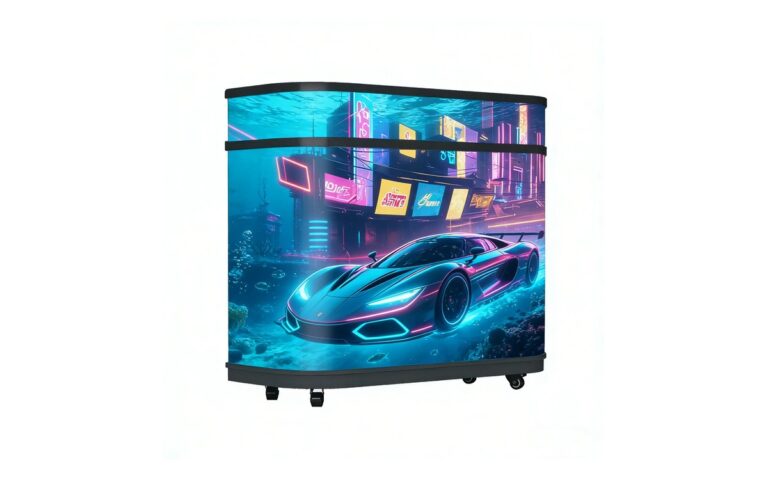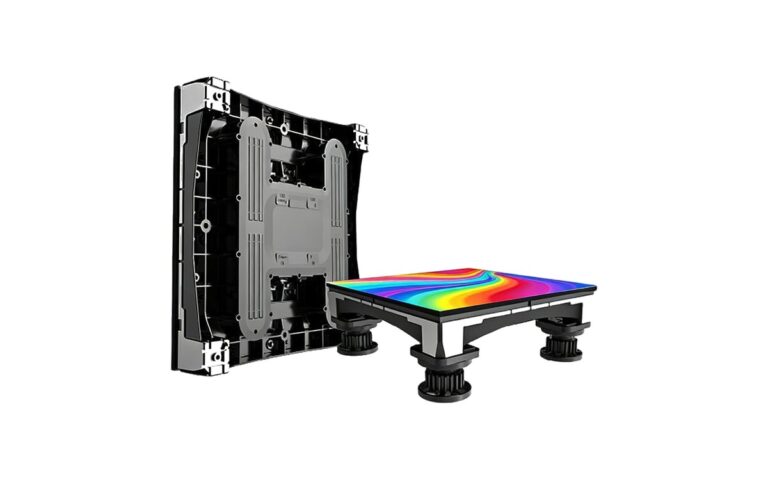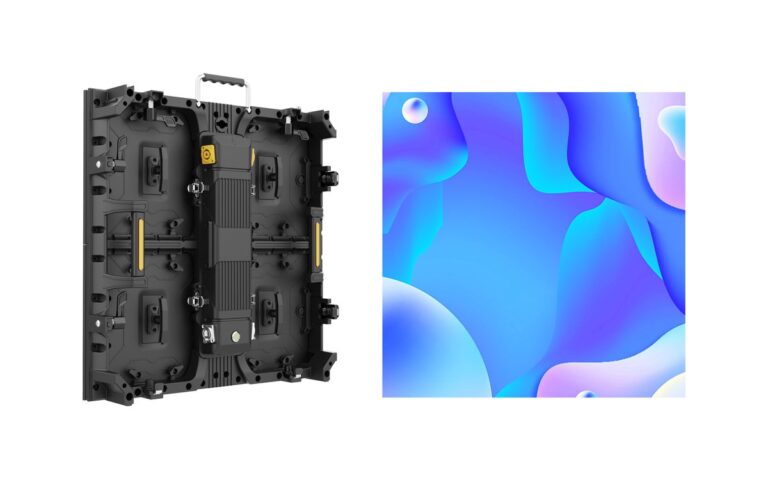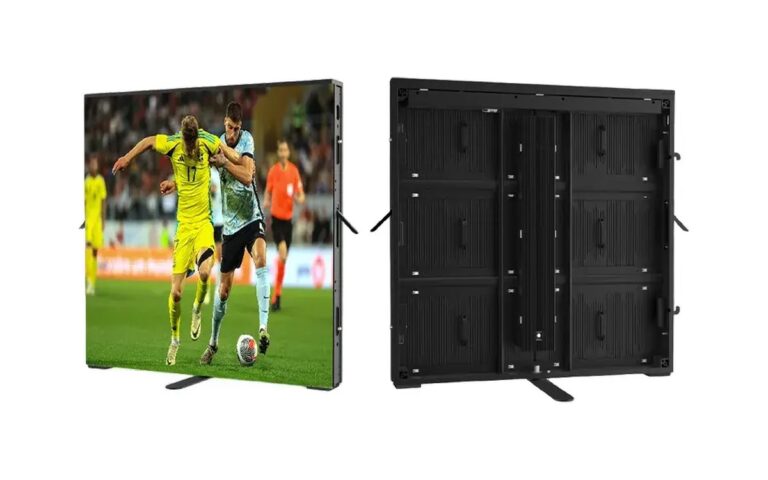
A retail storefront may need moving content without turning its glass frontage into a black wall. In a mall atrium, daylight, sightlines and the architecture around the display may matter as much as the image itself. Transparent LED technology is designed for these situations: it adds digital content while leaving a portion of the glass, facade or interior visible.
There are three common approaches. LED film uses a thin adhesive structure applied directly to indoor glass. Mesh or grille screens use vertical or horizontal LED strips with open gaps between them, making them suitable for larger areas and, in many designs, outdoor installation. Glass-fit transparent panels use a frame-based construction that sits within or across a glass opening and can support higher brightness. The right choice depends on viewing distance, daylight, mounting conditions, service access and the type of content being shown. LINEX Tech’s transparent LED display range covers these formats for different professional applications.
Three ways to turn glass into a screen
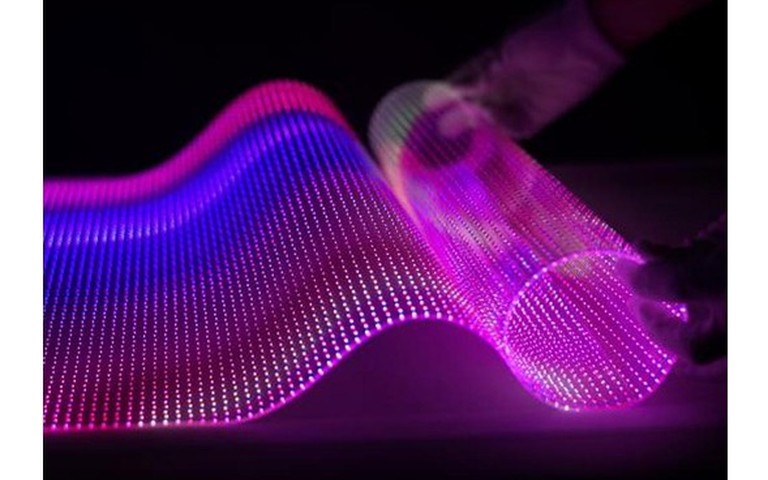
LED film is the thinnest and least visually intrusive approach. The film is bonded to the glass surface, normally on the indoor side, and is often selected for shop windows, office interiors and smaller branded zones. It keeps the installation close to the glass and can suit projects where the structure behind the screen must remain visible. Film systems commonly use fine pixel pitches, but the final transparency and viewing effect depend on the film construction, glass type and installation method. The film display series is the relevant product category to review when low visual mass is the priority.
Mesh or grille screens use repeated LED bars, strips or modules separated by open spaces. This reduces wind load and overall weight compared with a solid LED cabinet, which is useful on large windows, atriums and building facades. Transparency is closely tied to the strip spacing and pixel pitch. A more open grille allows more daylight through, while a denser arrangement supports stronger image detail and higher apparent brightness.
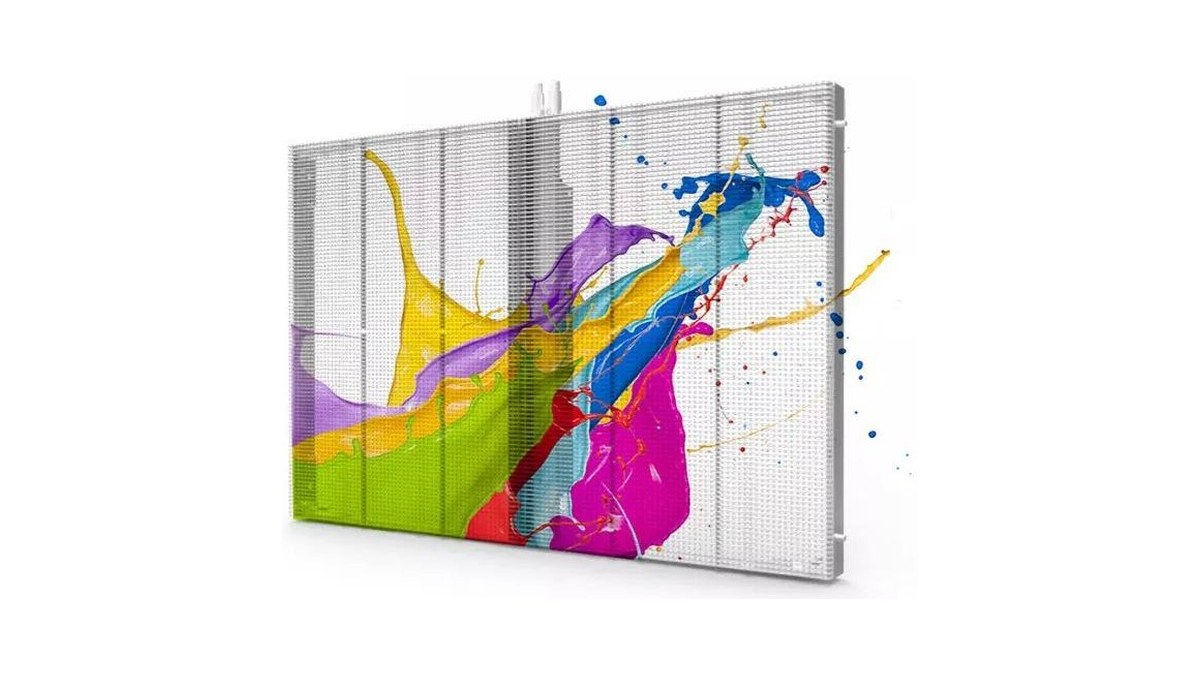
Glass-fit transparent panels use a more defined frame or panel structure. They are chosen when the project needs a neater architectural finish, stronger brightness or a more controlled installation boundary. These panels can be a practical option for mall interiors, car showrooms and premium retail areas where the display must read clearly in brighter conditions. See the glass-fit transparent panel series for this type of construction.
| Type | Typical transparency | Typical use | Indoor-outdoor / mounting |
|---|---|---|---|
| LED film | About 70-90% | Indoor shop windows and glass partitions | Primarily indoor; adhesive mounting |
| Mesh or grille | About 50-85% | Large windows, atriums and facades | Indoor or outdoor; suspended or framed |
| Glass-fit panels | About 60-85% | Retail, showrooms and architectural glazing | Indoor or outdoor; frame-based installation |
These ranges are indicative rather than universal. Confirm the actual figure against the datasheet, especially where the project includes double glazing, sun-control film, unusual mounting angles or high ambient light.
How transparency actually works
A transparent display does not create an image on empty glass. It uses LED strips, bars or narrow modules arranged with deliberate gaps between the light-emitting areas. Those gaps allow daylight and background scenery to pass through, while the LEDs form a visible image when they are driven by the control system.
The main engineering trade-off is between transparency, pixel pitch and brightness. A more open structure is generally more see-through and lighter, but it leaves less LED area available to produce light. A denser structure can improve image definition and brightness, yet it also makes the display appear more solid when viewed from the opposite side. For a window seen from several metres away, a relatively open structure may be acceptable. For close-up viewing, finer pitch and stronger brightness may be required.
The word “invisible” should be treated carefully. From normal viewing distance, the screen structure can blend into the glass and architecture, particularly when dark content is used. Up close, the bars, wiring, mounting points and pixel spacing remain visible. The objective is controlled transparency, not the complete disappearance of the hardware.
Where transparent displays pay off
Retail windows are the most familiar application because the display can communicate promotions, product launches and brand content without fully blocking the merchandise or interior. In mall atriums, transparent screens can occupy large vertical openings while preserving daylight and circulation sightlines. Car showrooms use them where vehicles and digital content need to share the same visual field.
Airports, transport halls and brand facades can also benefit from the format, especially where a solid LED wall would obstruct architecture, signage or natural light. Outdoor use requires closer review of brightness, weather protection, structural support and maintenance access. Product specifications should be checked against the installation environment rather than selected on transparency alone.
Viewing distance should guide the content design. Transparent screens often perform well with bright logos, product outlines, text and high-contrast graphics placed over dark backgrounds. Large shapes remain readable while the unlit areas allow the background to show through. Dense photographic content can lose impact because the transparent structure reduces apparent black levels and image uniformity.
What to check before ordering
Start with the viewing direction and the amount of daylight reaching the installation. Transparent LED displays can lose visual impact in direct sun, even when their rated brightness appears suitable on paper. Check whether the glass faces strong sunlight, whether nearby buildings provide shade, and whether blinds, canopies or architectural fins can reduce glare during key operating hours. Brightness and contrast should be confirmed against the product datasheet and the actual site conditions.
The fixing method must suit both the display and the building. Adhesive film may be appropriate for a clean indoor window with limited structural change. Mesh or grille products usually need a frame, suspension points or brackets, while glass-fit panels require defined support around each unit. Confirm the glass type, thickness, condition and allowable load before selecting a mounting method. Existing mullions and window divisions may affect panel sizes and cable routes.
Heat behind the glass also needs attention. A display installed close to glazing can receive heat from sunlight, while limited air movement may raise the temperature around power supplies and control equipment. Check the available gap, ventilation path and maintenance access. Product operating conditions, including temperature limits, should be confirmed against the datasheet. Do not close the display into a sealed cavity unless the thermal design has been reviewed.
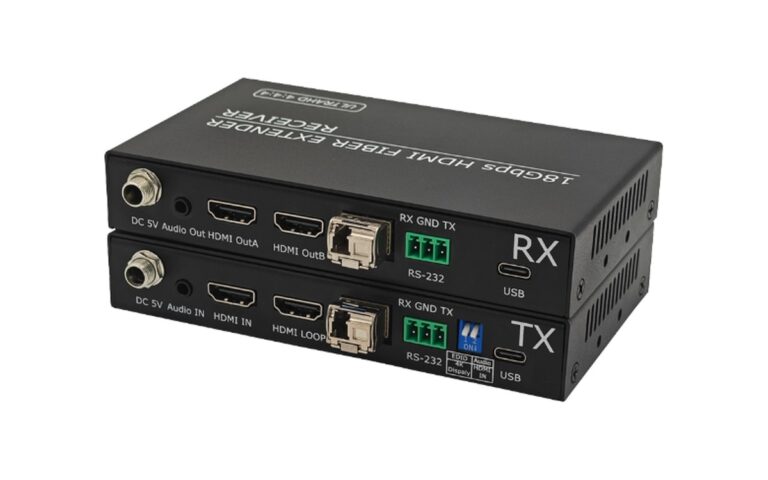
Plan cable routing before the final layout is approved. Power, receiving cards, control lines and service loops need a practical route through frames, mullions or nearby ceiling and floor spaces. A transparent display may look light from the front but still require accessible equipment behind or beside the glass. For a retail project, the shopping mall display solution should be coordinated with shopfitting, electrical work and cleaning access.
Content should be designed for a see-through surface rather than treated as a conventional opaque billboard. Strong silhouettes, large type, clear product outlines and controlled motion usually remain readable. Fine detail, thin grey text and busy photographic backgrounds can disappear against changing scenery behind the display. Test content at the intended distance and under both daytime and evening conditions.
Film, mesh or glass-fit: how to pick
Use a simple decision path. For an indoor window where the structure should remain almost unchanged, film is usually the first option to investigate. It can follow a broad glass area with limited visual obstruction, but the glass condition, application method and service access still matter.
For a large facade, a tall atrium or a site that combines indoor and outdoor exposure, mesh or grille is generally more practical. It can be supported from a purpose-built structure and may allow better airflow around the LED components. Review products such as transparent mesh LED displays when the installation needs scale, lower wind exposure than a solid wall, or a visible architectural frame.
Choose glass-fit panels for a premium indoor feature where defined sections, higher brightness and a controlled frame system are part of the design. This approach can produce a more architectural finish, but the glass, panel dimensions, supports and service method must be coordinated early.
Budget should be assessed by the complete installation, not by the LED module alone. Structural steel or aluminium, access equipment, brightness requirements, control hardware, electrical work and content production can influence the total more than the display surface itself. A lower-density transparent product may still become expensive if the supporting structure is complex. For outdoor advertising applications, review the wider outdoor LED screen requirements before comparing quotations.
Quick answers
Transparency percentage describes how much of the visible area remains open to light and sight through the display. A higher percentage generally means less LED coverage and a clearer view behind the screen, while a lower percentage can support stronger visual density. The stated figure should be checked against the product structure, viewing angle and actual content.
Film is often suitable when the storefront needs a thin installation with minimal framing and mostly indoor viewing. A framed transparent screen may be preferable when higher brightness, easier module replacement or stronger visual impact is required. Compare daylight levels, glass condition, maintenance access and the intended content before making the choice.
They can work outdoors when the selected product, enclosure, brightness, structure and control system are suitable for the site. Outdoor exposure brings additional concerns such as rain, wind, sunlight, temperature changes and maintenance access. Confirm the environmental specifications and installation design against the datasheet rather than treating every transparent product as outdoor-ready.
Often, yes, but the glass and building structure must be assessed first. Check thickness, type, condition, allowable loading, fixing points, mullions, access and cable routes. Adhesive film, brackets and independent frames place different demands on the site. A survey or clear site photos can help determine whether the existing glass is suitable.
Large shapes, high-contrast typography, product outlines and deliberate motion usually perform well. Content should account for changing backgrounds, reflections and daylight. Avoid relying on fine detail or low-contrast text. Test the material at the actual viewing distance, and prepare separate daytime and evening versions when the surrounding light changes significantly.
There is no single minimum distance for every transparent display. It depends on pixel pitch, LED density, content, brightness and the viewer’s visual expectations. A closer audience generally needs finer pitch and simpler detail control. Confirm the recommended viewing distance against the product datasheet and test a sample when close inspection is important.
Custom sizes may require drawing approval, module layout, frame design, control planning, component allocation, production scheduling and inspection before shipment. The timing also depends on quantity, configuration and documentation requirements. Share the dimensions, installation conditions and target application early so the supplier can confirm the production sequence and shipping preparation.
Send the glass or facade dimensions, installation location, viewing distance, brightness conditions, preferred display type and available site photos. Include any drawings, content references and target quantity. LINEX Tech can review the application, suggest a configuration and prepare a quotation with the relevant technical documentation for worldwide project coordination.
Send your glass dimensions and storefront photos to LINEX Tech for a practical configuration review and quotation. Include the viewing direction, daylight conditions and any existing frame details so the proposed system can be assessed more accurately.