Two suppliers quote the same outdoor LED screen, but one price is almost half the other. The difference may not be a simple margin issue. It can come from different LED grades, lower brightness, weaker cabinets, missing receiving cards, or a quotation that leaves important components out. The risk often appears later, when the screen is installed and the buyer discovers that the specification was never as complete as it sounded.
Another common problem is a container arriving with modules that do not match the approved sample. The cabinet colour is slightly different, the receiving cards have changed, or the spare modules use another LED batch. These issues can create visible differences on the display and make future replacement difficult. An LED display is usually part of an installation, rental fleet, or distribution catalogue, so the sourcing decision can affect maintenance and reputation long after the first order.
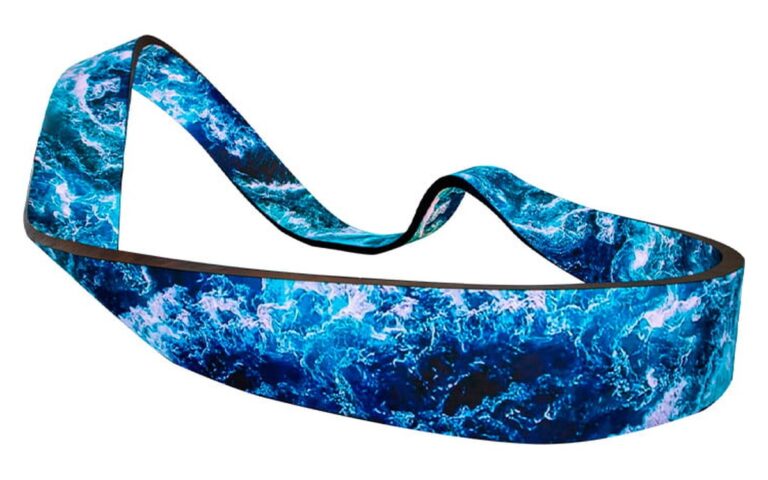
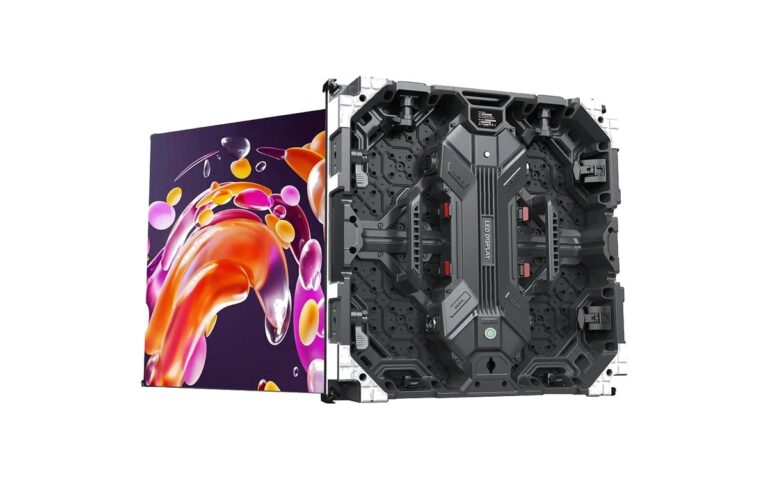
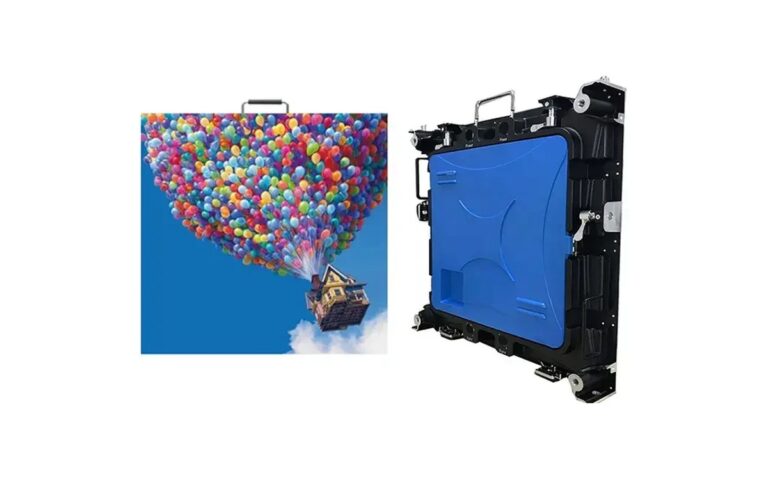
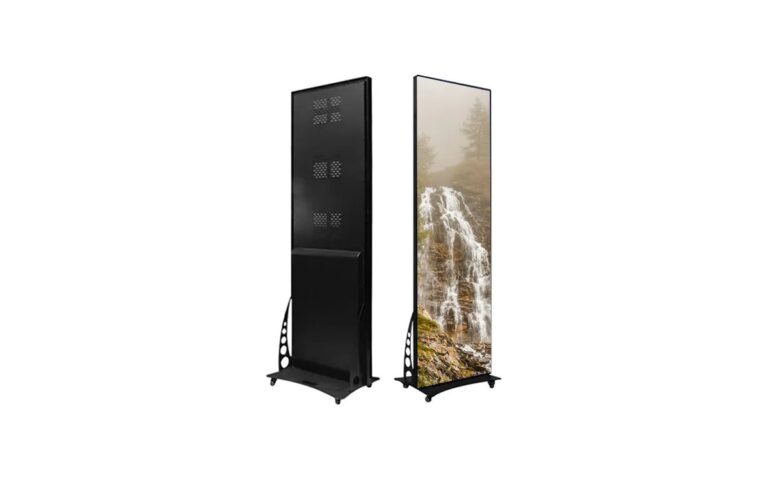
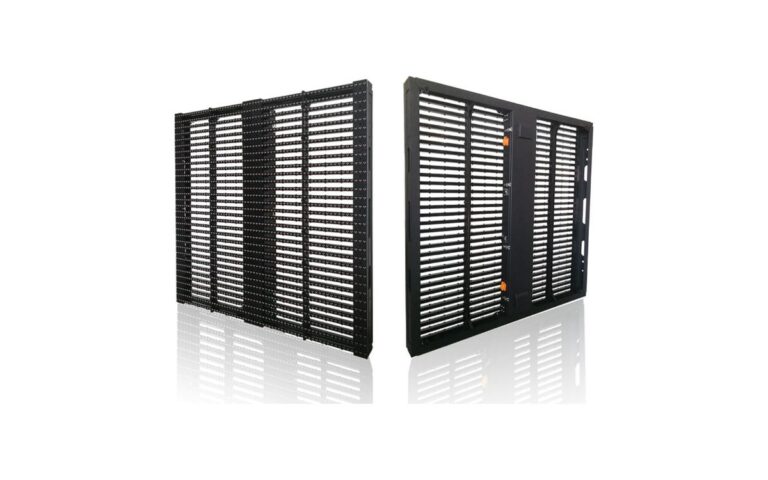
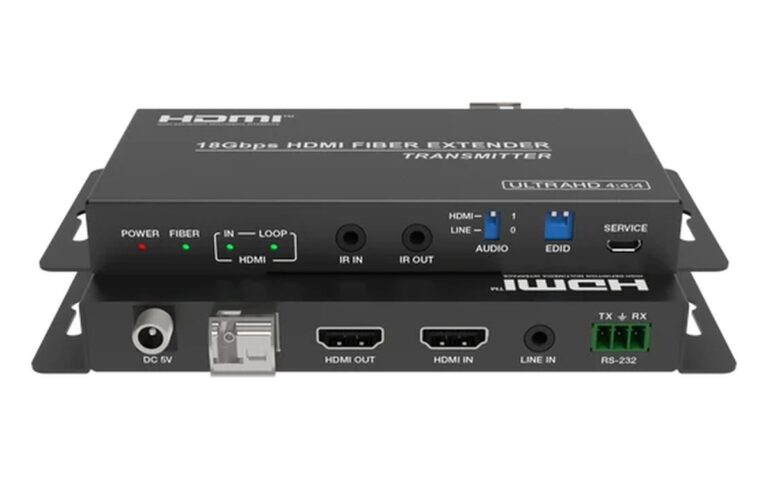
This article sets out the checks importers, distributors, contractors, and system integrators should make before placing an order. LINEX Tech supplies fixed, rental, creative, floor, and transparent LED displays, as well as AV signal solutions, with OEM and ODM support. Reviewing the available LED display product range is only one step; the supplier’s identity, technical documents, and order paperwork require the same attention.
Verify the supplier, not just the price list
Start by establishing which type of company you are dealing with: a manufacturer, a trading office, or a reseller combining products from several factories. A trading company is not automatically unsuitable, but you need to know who controls the specification, production, quality checks, and after-sales replacement process. A low price is difficult to assess if the company cannot explain where the quoted screen is made.
Ask for the company’s registered documents, business licence, full legal name, and verifiable office or production address. The name on the quotation, contract, invoice, and bank details should be consistent, or the supplier should clearly explain any difference. Check whether the contact person uses a company domain and whether the same technical and commercial contacts remain involved as discussions progress.
Request a live video walkthrough of the relevant stock, assembly area, testing equipment, or production line. A video call does not prove every claim, but it can reveal whether the supplier can access the products they are quoting. Also ask for dated photos of recent production, including cabinet assembly, module installation, receiving cards, power supplies, and finished packing. Generic catalogue images provide little evidence.
Several direct questions often expose a reseller quickly:
- Which factory will produce this exact model and cabinet?
- Who selects the LED package, driver IC, power supply, and receiving card?
- Can you show the current module and cabinet drawings?
- What happens if a replacement module does not match the original batch?
- Who performs the final inspection, and what records are supplied?
A supplier that changes the factory name, avoids a live walkthrough, or cannot identify the components behind the quotation deserves additional scrutiny. For background on the company and its stated business scope, review the LINEX Tech company information alongside the commercial documents.
The spec sheet test
A proper datasheet should allow two buyers to compare the same product without guessing. At minimum, it should state the pixel pitch, module size and resolution, brightness, refresh rate, maximum and average power consumption, cabinet weight, driver IC, LED brand or grade, and IP rating. For a complete project, cabinet dimensions, service access, operating temperature, scan mode, viewing angle, input requirements, and control system compatibility may also be necessary.
Pay attention to whether the figures apply to the module, cabinet, or complete screen. A brightness figure without a measurement condition is less useful than it appears. Power consumption should distinguish maximum from average use, because this affects power distribution, cabling, cooling, and operating cost. Weight should include the cabinet and relevant hardware when transport and structural loading are being calculated.
Compare the same numbers across two suppliers and ask for clarification where they do not align. A brochure that says “high brightness” or “low power” without figures is not a technical document. Numbers that change between the quotation, datasheet, drawing, and final pro forma invoice are a warning sign. Before approval, make sure the exact model code, pixel pitch, LED package, cabinet size, and control components are written into the quotation or contract.
Certifications and documents to ask for
Ask for CE and RoHS reports relevant to the target market and the actual product configuration. Do not rely on a logo printed in a brochure. Review the report title, manufacturer name, product model, test standard, issue date, laboratory details, and scope of the tested equipment. The name and model should match the equipment on your quotation. A report for a different cabinet, module, or power supply may not support your shipment.
Check whether the documents cover the complete screen or only a component. LED displays commonly include cabinets, modules, power supplies, receiving cards, sending devices, and control equipment. If a compliance document covers only one part, ask what additional documentation is required for the finished system in your market. Keep copies of the approved reports with the purchase file rather than requesting them only when customs or a customer asks.
The shipping and documentation set should also be agreed before production. Confirm that the order will include a commercial invoice, packing list, product descriptions, quantities, net and gross weights, dimensions, and guidance on the appropriate HS code. The packing list should identify spare modules and accessories separately where practical, so the shipment can be checked efficiently on arrival.
Ask for these documents using your order details, model numbers, and configuration, not as general promises that certificates are available. A supplier that can connect its reports and shipping paperwork to the exact order gives you a clearer basis for import clearance, installation records, warranty discussions, and future replacement purchasing.
A quick reference for the document set to request:
| Document | What to check |
|---|---|
| Datasheet | Pixel pitch, module size, brightness, power, weight and IP rating for the exact model |
| CE / RoHS reports | Model number and certificate holder match the quoted configuration |
| Sample approval record | Signed specification, BOM and module version held for the production batch |
| Packing list | Quantities, weights, dimensions and spare parts listed separately |
| Warranty terms | Coverage, exclusions and claim process stated in writing |
Samples, consistency and putting the order together
A sample should answer more than “Is the image bright?” Check the module construction, cabinet fit, pixel uniformity, color balance, viewing angle, refresh performance and service access. Run the sample long enough to notice heat, flicker or unstable receiving-card behavior. For rental projects, also inspect locking, corner protection and setup time. A rental LED display needs to survive repeated assembly, not just look good on a bench.
Ask the supplier how the sample will match the production batch. Module LEDs, masks, calibration data, receiving cards and cabinet materials can change between versions. Request written confirmation that the approved sample, module version and processing configuration will be used for the order. For a larger project, inspect production photos or request a pre-shipment test video showing several cabinets together, since a single cabinet cannot reveal batch-to-batch differences.
Spare modules are usually ordered with the display, along with spare power supplies, receiving cards, data cables, masks and other failure-prone items. The correct quantity depends on screen size, operating conditions, installation height and how quickly replacement parts can reach the site. Ask the supplier to recommend a spare package and explain the basis. Record the final pixel pitch, cabinet dimensions, module model, LED package, receiving-card version, calibration method, packing list and approved configuration before the next order.
Packing affects both cost and handling. Flight cases are suitable for touring or repeated transport because they protect cabinets and simplify loading, but they occupy more space and add cost. Plywood crates may suit a fixed installation that will be shipped once and stored on site. LED screens are quoted and shipped by volume as well as weight: cabinets, cases, crates and protective materials can fill a container before weight becomes the limit. Confirm package dimensions, gross weight, number of packages and loading method before booking freight.
Service, spares and the questions before you commit
A written warranty should state the coverage period, excluded damage, component coverage, evidence required for a claim, shipping responsibility and the process for repair or replacement. Ask how warranty support applies when a local contractor performs installation. A verbal promise is difficult to use when different people handle the project later.
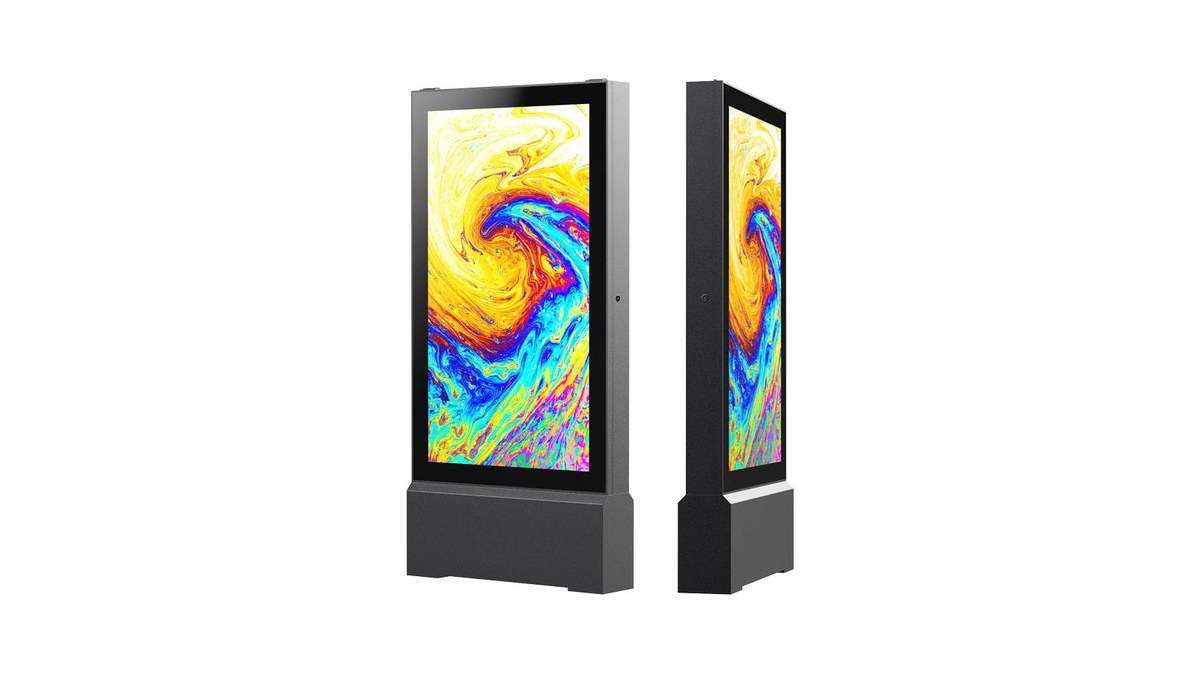
Check whether the supplier can provide spare modules and compatible electronics several years after delivery. Ask what happens if a controller, power supply or module version is discontinued. Request wiring diagrams, configuration files, receiving-card data, cabinet manuals, maintenance instructions and a final packing list with the goods. For outdoor advertising projects, review the operating and maintenance requirements alongside guidance on outdoor LED screens for advertising.
Communication during quotation is useful evidence. A supplier that asks about installation conditions, content sources, access, climate and maintenance is more likely to understand the project. Slow or unclear answers about basic compatibility, drawings or replacement parts should be treated as a purchasing risk. Before signing, send these questions:
- Which exact module, cabinet and receiving-card versions will be supplied?
- What does the written warranty cover, and how are claims handled?
- Which spare parts do you recommend, and for how long can they be supplied?
- Which wiring diagrams, software files and manuals will ship with the order?
- What factory inspection or pre-shipment test can be provided?
- Who will handle technical questions after installation?
Quick answers
Ask who controls product design, quality inspection, configuration files and after-sales support. Request a live video tour of the assembly and testing areas, or ask for the production partner’s role in writing. A trader may still be suitable, but you should know who is responsible when a module or controller needs replacement.
Ask for certificates and test reports that match the actual model, voltage, application and destination requirements. Common documents may cover electrical safety, electromagnetic compatibility, environmental protection and material compliance. Check the certificate holder, model numbers, validity and testing scope rather than accepting a logo or a generic certificate.
A visit is useful when the order is large, customized or operationally important, especially for checking testing, packing and spare-part control. A live video tour can be a practical first step for overseas buyers. Ask the supplier to show current production, test equipment, finished cabinets and packing areas in real time.
Approve a representative sample, then define the acceptance points in writing: dimensions, pixel pitch, brightness range, refresh behavior, color uniformity, cabinet fit, power data and control-system compatibility. For a large order, request a production sample or pre-shipment inspection using the same content and operating conditions planned for the finished screen.
International LED display orders commonly use a deposit to begin materials and production, with the balance due after completion or inspection before shipment. The exact split depends on customization, order size, buyer history and negotiation. Put payment milestones, inspection rights, changes and cancellation terms in the sales contract.
There is no universal quantity. Consider the total module count, screen location, climate, access difficulty, operating hours and local repair capability. Ask for a project-specific recommendation covering modules and electronic parts. For remote sites or long replacement routes, holding more critical spares can reduce downtime after the warranty period.
Request the packing list, commercial invoice, warranty terms, cabinet and module specifications, wiring diagrams, installation manual, maintenance instructions, configuration files and controller settings. Include the final module and receiving-card versions. For customs and site handover, also confirm package dimensions, weights, serial records and any required electrical or compliance documents.
Send the intended use, indoor or outdoor location, screen dimensions, pixel pitch, viewing distance, installation method, content source, operating conditions and destination. Say which display type you need — fixed, rental, creative, floor or transparent — or note any AV signal requirements. LINEX Tech can then review the requirement and prepare a quotation with specifications.
Send your project details and required specifications to LINEX Tech for a quotation covering the display and related AV requirements. Clear information about the site, application and delivery destination helps the supplier propose a suitable configuration.