A rental quote can look attractive until the crew has to move the cabinets through a narrow venue corridor, stack them quickly, then troubleshoot a module at height. Two screens with the same pixel pitch can behave very differently once they are loaded, flown and serviced under show conditions.
For rental buyers, cabinet choice is a practical balance: fast setup without fragile hardware, manageable transport weight without a frame that flexes, and enough spare parts to keep a show moving. LINEX Tech supplies rental LED displays alongside other display and AV signal solutions; its rental LED display range is one starting point for comparing formats.
The checks below focus on touring and event use: what the cabinet must withstand, how to assess setup speed, and how to match pixel pitch to audience distance and content. Exact figures depend on the model and configuration.
What rental companies get wrong about cabinets
Buyers often compare pitch and brand first, then treat the cabinet as a box around the modules. On the road, the cabinet is part of the working system. It is lifted, stacked, locked, flown and sometimes serviced between rehearsals and doors opening. A poor choice can turn a small saving into slower crew work or more damage in transit.
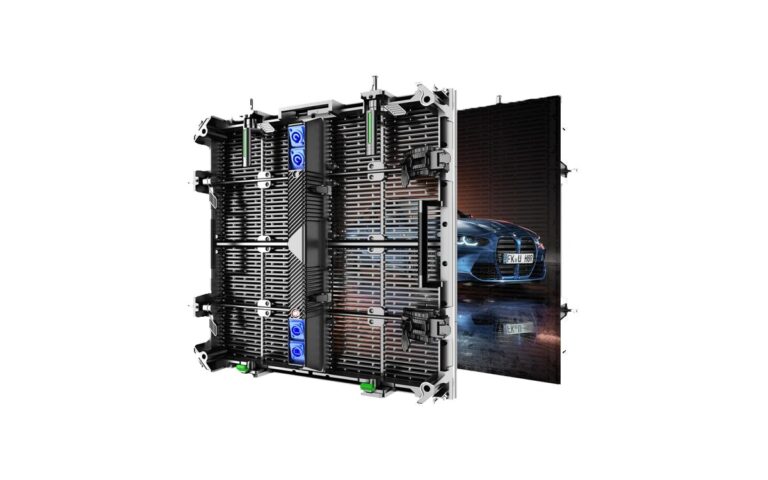
Start with frame rigidity. A cabinet that twists under handling can make alignment harder across a large wall, especially after repeated loading. Check the corners, connection points and rear structure, and ask how the manufacturer specifies flatness and alignment. These details matter more when cabinets are assembled and dismantled frequently.
Next, look at quick-lock hardware and service access. Locks should engage consistently without forcing adjacent cabinets into position. Find out whether a failed power supply or receiving card can be reached from the rear, front, or both; the right access depends on the installation. Also confirm that replacement modules, power supplies and signal components remain compatible with the cabinets already in your rental stock.
Finally, ask what spare parts can be supplied and documented. A rental fleet needs a repeatable parts list, not just a screen that works in a showroom. LINEX Tech supports OEM/ODM projects and ships worldwide with documentation, which can help buyers standardize specifications across an order.
Weight, locks and setup speed: the road test
Record cabinet weight and dimensions, then calculate the load per flight case. A typical 500 × 500 mm rental cabinet may weigh around 7–13 kg; larger formats and outdoor builds can be heavier. Cabinet count per case varies with the case design, wheel and handle capacity, and shipping limits. Confirm the loaded weight, not just the cabinet figure.
Ask the crew to lift and position a sample cabinet using the same workflow planned for the event. One-person handling may be practical for a compact cabinet, but grip points, balance and repeated lifts matter as much as the number on the scale. For flown screens, check hanging bars, rigging points and rated load details with the project’s qualified rigging team. Never infer a safe rigging limit from cabinet weight alone.
Compare quick-lock and bolted assembly in a timed build. Quick-lock systems can reduce tool use and speed alignment, while bolted connections may suit some structures or applications. Either way, test whether the locks are accessible with gloves on and whether a single damaged latch can be replaced. The rental X-Series page can be used to review a specific product format, then verify its configuration and specifications with the datasheet.
Keep a spares kit matched to the fleet: commonly replaced modules, power supplies, receiving cards, data and power cables, locking hardware, and the tools needed for service. Confirm part compatibility before a tour rather than relying on similar appearance.
| Typical setup | Weight and build | Brightness and protection | Common use |
|---|---|---|---|
| Indoor rental | Often lighter; confirm cabinet weight | Typically lower brightness; indoor-rated enclosure | Stages, conferences and exhibitions |
| Outdoor rental | May use a heavier frame and weather protection | Typically higher brightness; check front and rear IP ratings | Outdoor stages and larger viewing areas |
| Mixed-use fleet | Prioritize repeatable rigging and transport | Match brightness and protection to each job | Rental inventories serving varied events |
Pixel pitch for events: balancing cost, audience distance and content
For indoor stage work, P2.6–P3.9 is a common range; P4.8 and above is often considered for outdoor screens viewed from farther away. These are typical starting points, not fixed rules. The right pitch depends on the nearest audience position, screen size, content and whether cameras will capture fine detail.
A useful first check is the closest planned viewing distance: finer pitch generally makes a screen more comfortable to view up close, while a wider pitch can suit larger viewing distances. Then review the actual content. Text, product close-ups and detailed graphics can expose pixel structure more readily than bold stage visuals. Camera tests are valuable when the screen will appear in a live broadcast or recorded event.
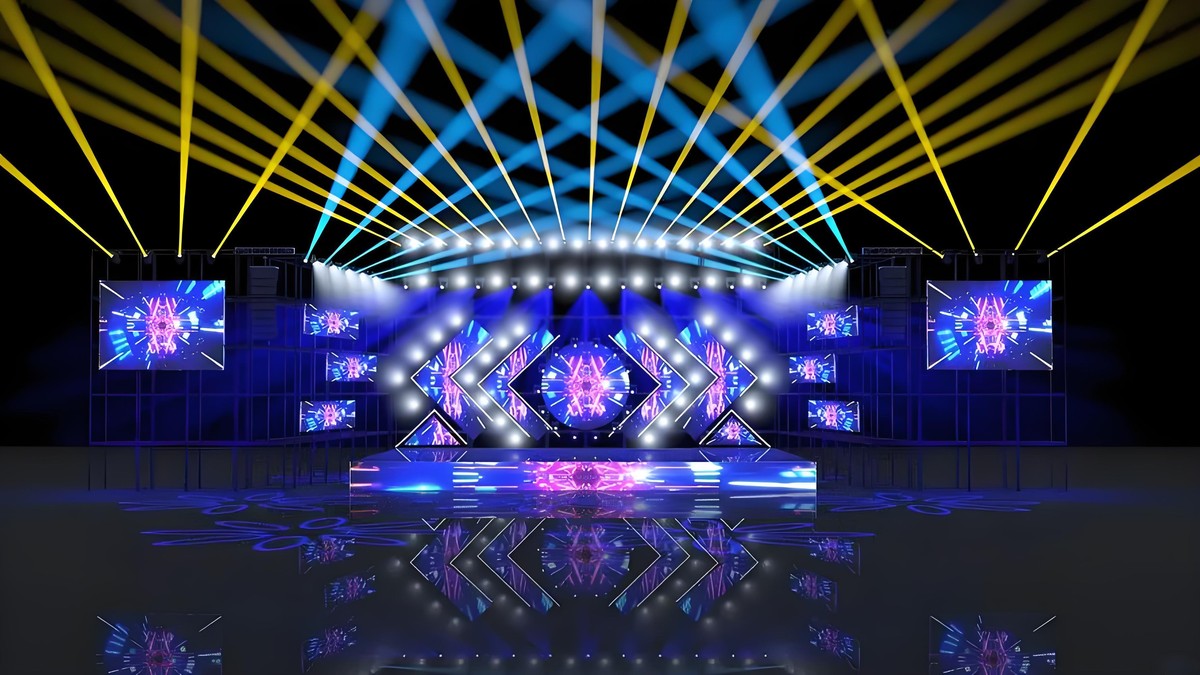
Pitch also affects the budget, but it does not determine cabinet weight by itself. Cabinet dimensions and frame construction are major factors; denser LED modules and related components can change the finished weight and power requirements. Compare complete cabinet specifications rather than assuming a finer-pitch screen is always heavier. For project planning, LINEX Tech’s rental stage solutions offer a relevant application reference. Confirm pitch, cabinet weight, brightness, power and protection ratings against the datasheet before placing an order.
Curving and rigging: plan the geometry before the order
Curved stage designs should be settled before cabinets are selected. A rental wall may need a shallow concave shape, a convex section, or a mixed curve around a stage feature. Cabinets with adjustment options around ±10° are common for this type of work, but the usable angle, locking method and whether the curve can be set continuously or only at fixed positions must be confirmed against the datasheet. A straight cabinet may look similar but cannot always follow the intended geometry safely.
Rigging also affects the cabinet specification. Ask whether the system uses dedicated hanging bars, how many cabinets can be suspended in one frame, and what the permitted load is at each hanging point. The bar, truss and motor arrangement must be checked together, including the position of the first cabinet and any access needed for service. For ground-supported walls, confirm the base structure, ballast requirement, allowable height and the method used to secure the first row.
Send a supplier a short rigging list before requesting a final quotation:
- Is the cabinet designed for both hanging and ground support?
- What are the rated loads for the hanging bar and connection points?
- What curve range is available, and is it concave, convex or both?
- Can cabinets be mixed between straight and curved sections?
- What is the recommended maximum wall height?
- Which safety components are included, and which must be supplied by the production company?
- What drawings or loading information can be provided for the venue engineer?
For touring applications, the LINEX rental J-series can be one product family to compare when reviewing cabinet format, connection design and installation options. Confirm every structural limit against the model-specific documentation.
What to verify before you place a rental order
Rental stock often grows through several purchases, so batch consistency matters. Ask whether the receiving batch will use the same LED configuration, module dimensions, cabinet dimensions, receiving cards and calibration approach as the existing stock. Small differences in brightness, color or mechanical alignment may become visible when cabinets from different orders are placed together.
Request per-batch test records before shipping. These should cover aging results, pixel or module checks, receiving-card settings and a record of any units rejected during inspection. The exact test format varies by supplier, but the records should identify the batch clearly and match the serial or cabinet quantity on the packing list. Keep a copy with the rental inventory.
Order spare modules based on expected operating hours, touring distance and the number of cabinets in circulation. A modest spare percentage is often around 2% to 5%, with additional spare receiving cards, power supplies, cables, locks and masks where the design requires them. Confirm whether modules are calibrated as replacement parts and whether the supplier can identify their correct position and configuration.
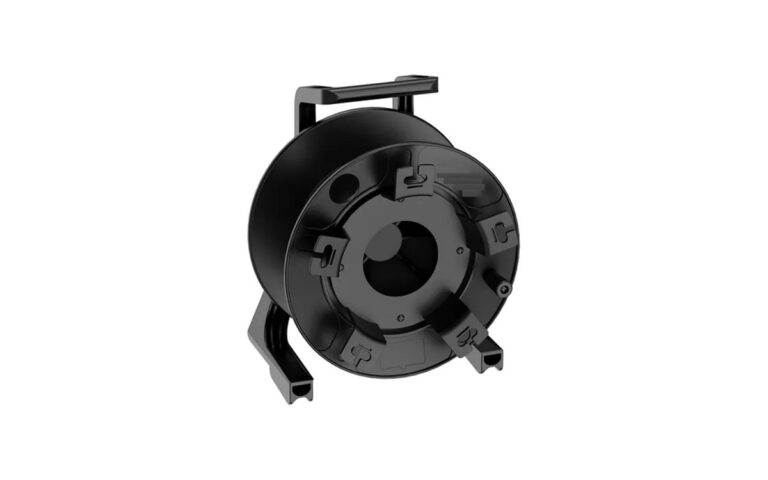
Packing is part of the rental system. Ask how many cabinets fit in each flight case, whether the cases protect corners and connectors, and whether the packed weight can be handled by the local crew. Request case dimensions, gross weights, cabinet labels, a packing list, installation drawings, user instructions, wiring diagrams, spare-part references and test records. Our guide to choosing an LED display supplier in China covers the documents worth requesting with each order. LINEX Tech supplies rental and other LED display types, AV signal solutions, OEM/ODM support and worldwide shipping with documentation.
Quick answers
Choose according to the actual environment, not only the event label. Indoor cabinets suit controlled venues and usually prioritize lower weight and fine pitch. Outdoor models need protection from rain, dust and changing temperatures, subject to the stated IP rating and operating limits. If a screen may move between venues, confirm the environmental specification against the datasheet.
For many stage rental jobs, pitches around 2.6 mm to 4.8 mm are frequently considered, depending on viewing distance, camera requirements and budget. Smaller pitches suit close audience positions and detailed camera shots, while larger pitches can work for longer distances. Confirm the final pitch with the production layout and camera plan.
Cabinet weight affects crew size, transport capacity, flight-case loading, rigging calculations and the time needed to build the wall. It also affects how many units can be moved safely at once. Do not compare a bare cabinet with a packed or fully installed figure; ask for cabinet, case and complete suspended-system weights separately.
Keep spare LED modules, power supplies, receiving cards, data cables, power cables, locks and protective masks when applicable. The correct list depends on the cabinet design and the age of the stock. Ask for compatible part numbers and replacement procedures, then store the parts with the related cabinet batch and configuration files.
A starting allowance of about 2% to 5% of the installed module count is common for active rental stock, but touring frequency and repair access can justify more. Calculate from modules rather than cabinets, include likely handling damage, and confirm whether replacement modules are calibrated to match the original batch.
Ask whether the cabinets support concave and convex curves, the available angle range, and whether adjustment is continuous or fixed. A range near ±10° is common for flexible rental designs, but the actual geometry varies. Also confirm mixed straight and curved installation, locking positions, hanging-bar compatibility and the resulting minimum radius.
Request batch-specific aging records, pixel or module inspection results, cabinet function checks, receiving-card configuration and a packing list tied to cabinet quantities or serial numbers. Ask how failed units are recorded and replaced before shipment. Test documents should identify the product model and batch, with operating limits confirmed against the datasheet.
Send the event date, screen size, viewing distance, indoor or outdoor conditions, pixel pitch, cabinet format, curve requirements, hanging or ground-support plan, signal sources, quantity, destination and available power. Include site drawings or photos when possible. LINEX Tech can review the specifications and prepare a suitable configuration and quotation.
Send your event specifications, site details and logistics requirements to LINEX Tech for a configuration and quote. Include the intended cabinet arrangement and touring conditions so the proposed system can be checked against the real installation.