A buyer comparing two quotes for the same 6×3 m billboard may see one price almost twice the other. Both offers may show the same resolution class, cabinet size and total area, yet the internal specification can be quite different. One screen may be designed for a roadside location viewed from 50 m away, while the other uses a tighter pitch intended for closer inspection.
Outdoor LED cost is not determined by screen area alone. The practical questions are where the screen will be installed, how far viewers will stand, whether direct sunlight reaches the face, how the cabinets will be serviced and what the supporting structure must carry. This article breaks down the cost drivers that usually have the greatest effect when comparing an outdoor fixed display range or a complete advertising system.
A useful quote should state the LED type, pixel pitch, brightness, refresh rate, cabinet material, ingress protection, power consumption and service method. Confirm each figure against the datasheet before comparing totals.
Pixel pitch: the first lever on cost
Pixel pitch is the distance between the centers of two neighboring pixels, measured in millimeters. A smaller number gives a denser image and allows viewers to stand closer without seeing the pixel structure. It also requires substantially more LEDs, driver components and module area for every square meter.
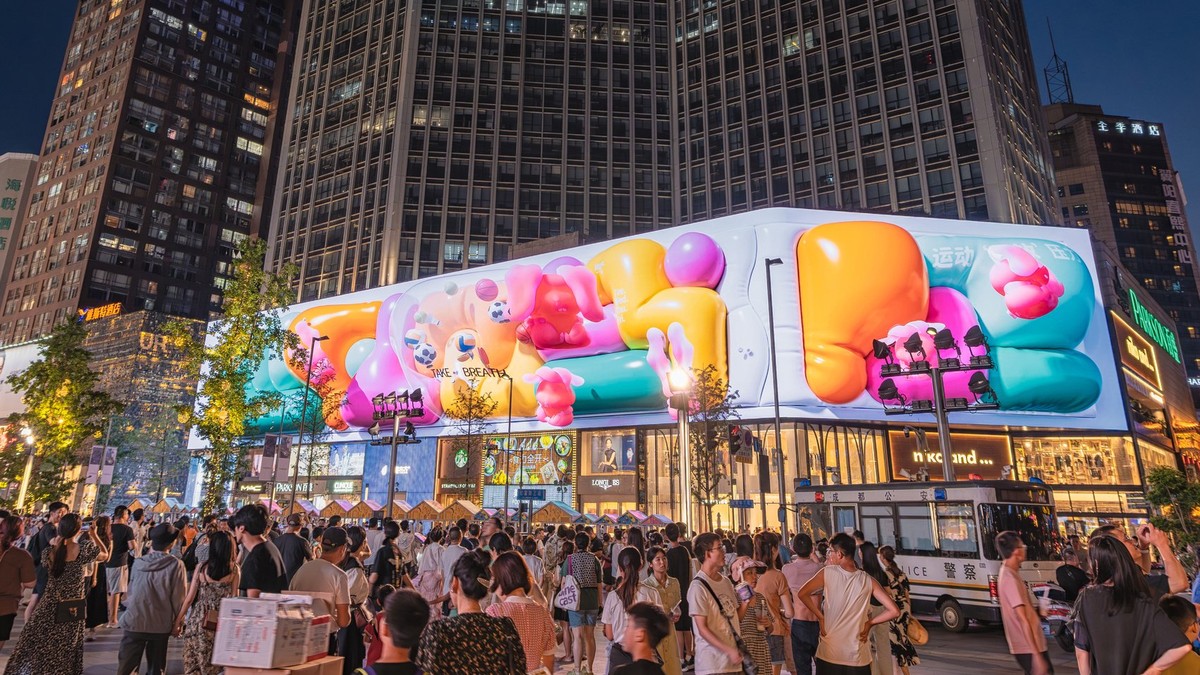
For roadside advertising, the viewing distance is often measured in tens of meters. P6.67–P10 is therefore common for large billboards, highway-facing signs and elevated displays. A P10 cabinet has fewer pixels per square meter than P6.67, so its modules and electronic components are generally less expensive. The cabinet may also require less data capacity for a comparable physical area.
P4–P5 is more appropriate when people will pass closer to the screen, such as outside a retail building, at a transport entrance or in a compact commercial plaza. It produces finer text and cleaner product images at short range, but the higher pixel density raises the cost of the LED modules, receiving cards and processing system. For a 6×3 m screen, choosing P4 when the nearest normal viewer is 40 m away may add cost without creating a useful improvement.
| Typical pitch | Approximate viewing distance | Typical use |
|---|---|---|
| P4 | 4–20 m | Storefront or close pedestrian view |
| P6.67 | 7–35 m | Roadside advertising and commercial façades |
| P10 | 10–60 m+ | Highway and large elevated billboards |
These ranges are practical guides, not design rules. Content type, screen height and the distance of the nearest viewer also matter. Confirm the recommended pitch against the viewing conditions and the supplier’s datasheet.
Brightness, refresh and power: the specs that separate day from night
Brightness is specified in nits. A sun-facing billboard typically needs around 5,500–6,500+ nits to remain readable during strong daylight. A screen under a canopy or facing away from direct sun may need less. More brightness usually means higher LED drive capability and greater power demand, so specifying the maximum number without considering the site can increase operating cost.
Automatic brightness control is important because the screen should not run at daytime output after dark. Ask whether the quotation includes a light sensor, control software and a practical dimming range. The visible result also depends on the LED package, mask design, contrast and content, not brightness alone.
Refresh rate matters when the display is recorded by broadcast cameras, event cameras or mobile phones. A rate around 1,920 Hz may be acceptable for many advertising applications, while camera-facing projects often specify 3,840 Hz or higher. The exact result depends on shutter speed, scan mode and camera settings, so a headline refresh figure should be checked against the receiving card and module datasheet.
Power supplies are another quiet difference between quotes. Compare both maximum and typical power consumption per square meter, along with the power supply brand, thermal margin and protection design. A supplier may quote a screen using around 700–1,000 W/m² at maximum load, while actual advertising content averages much less. Electrical capacity, cable sizing and backup planning should be based on the specified maximum, not only the average figure.
Cabinets, structure and IP: where budget quietly moves
Cabinet construction affects purchase cost, installation effort and the load placed on the building or steel frame. Steel cabinets are commonly selected for fixed outdoor installations because they can be economical and rigid, but their weight increases transport and structural requirements. Aluminum cabinets cost more in some configurations and may reduce dead load, which can matter on a rooftop or building façade. The right comparison is the complete installed system, not only the cabinet line item.
For exposed installations, look for an IP65 or IP66 rating on the front and rear where applicable. The rating should match the actual cabinet design and test conditions; confirm against the datasheet. Coastal or industrial sites may also need anti-corrosion treatment, suitable fasteners and drainage details. These provisions can move the budget even when the LED modules are identical.
Cabinet weight directly affects the supporting steel structure, anchors and lifting method. A heavy design may require deeper frames and more installation labor, especially for a large roadside face. Review wind-load assumptions, screen orientation and mounting height with the project engineer rather than treating the LED quote as a standalone product price.
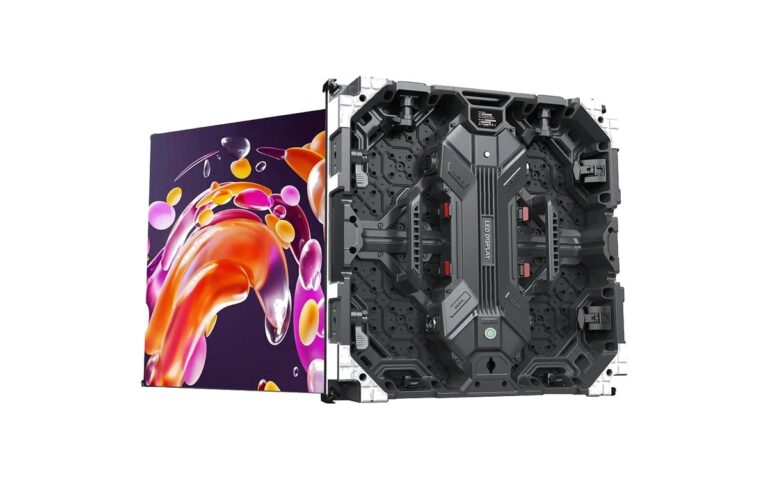
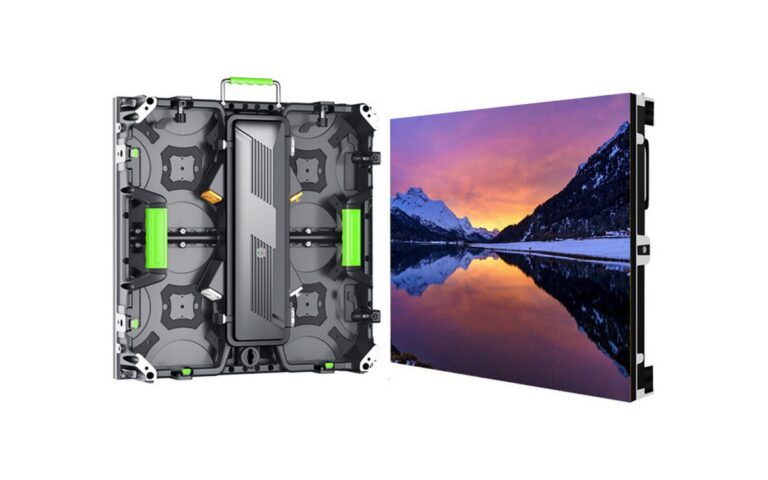
Service access is another practical choice. Rear-service cabinets usually need clearance behind the screen, which suits open billboard structures. Front-service access costs more in some designs but can be valuable where the display is mounted close to a wall or where traffic restrictions make rear access difficult. The outdoor iron series may suit projects where fixed steel cabinets and rear access are acceptable, while a constrained site may justify a different cabinet arrangement.
Finally, separate the LED wall from the advertising solution around it. Media players, sending and receiving equipment, monitoring, light sensors, cabling and installation structure may be included or excluded. A complete advertising billboard solution should make those boundaries clear before the two quotes are compared.
What else lands in the final number
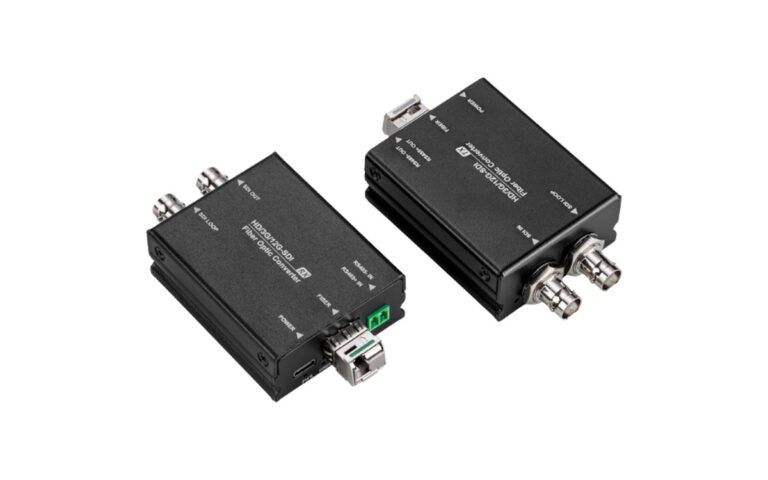
The display itself is only part of the quotation. A fixed outdoor screen usually needs a control system, sending cards, receiving cards and the correct signal path from the source device. For a larger site, fiber or network runs may also be needed between the control room and the screen. Confirm which components are included, and whether the system supports the input formats and resolution required by the project.
Plan for spare modules and other service parts at the start. A spare-module allowance reduces downtime when a pixel module, power supply or receiving card needs replacement. The exact quantity depends on screen size, operating conditions and the agreed service arrangement. A supplier should identify these items separately rather than hiding them inside a general accessories line.
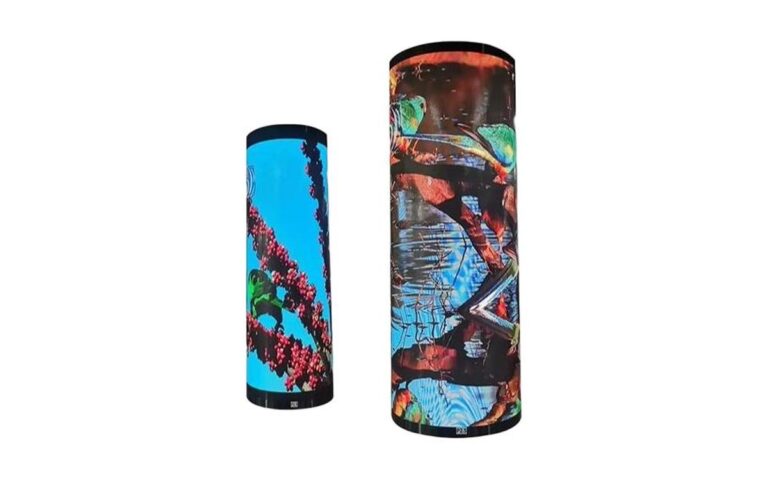
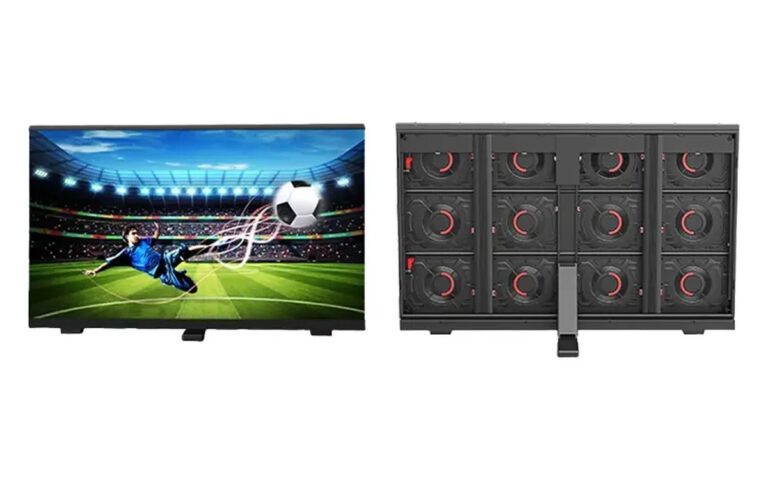
Packing and freight are often underestimated. Outdoor LED screens normally ship as assembled or semi-assembled cabinets, so the packed volume can matter more than net weight. Cabinet dimensions, wooden crates, pallets, stacking limits and shipment method all affect the final freight charge. For a compact advertising unit, a poster-style outdoor LED display may have different packing requirements from a large cabinet-based billboard.
Many quotations exclude the steel structure, lifting equipment, local installation labor, site power work, grounding, permits and civil works. Some also exclude signal cables beyond a stated length or commissioning at the final site. Ask for an inclusion and exclusion list, cabinet packing dimensions, gross shipment weight, control-system details and the assumed cable distances before signing.
How to compare two outdoor quotes fairly
Start with the same pixel pitch, cabinet dimensions and module size. A quote for P6 using one module format is not directly comparable with P6 using another, because module count, cabinet construction, spare parts and service access may differ. Request a BOM-level list showing LED brand and grade, driver IC, power supply brand, cabinet material, refresh rate and control equipment. Confirm product-dependent figures against the datasheet.
Ask for a sample module or a short video showing it operating with the intended content. Check color consistency, black level, scan behavior, connector layout and the appearance of seams between modules. A sample cannot prove long-term outdoor performance, but it can expose unclear specifications before mass production.
Service access has practical value. Front access may suit a wall-mounted sign where rear maintenance space is limited, while rear access can be simpler for a freestanding structure. Compare warranty duration, coverage conditions, spare-parts policy and who pays for replacement shipping. Also check whether freight, export packing and crating are included or listed separately.
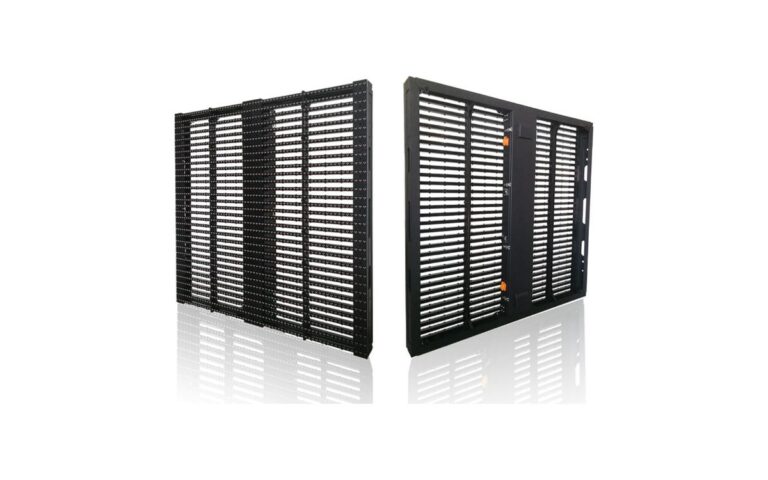
Be cautious when a price is far below the market range without a clear technical reason. Other warning signs include vague LED specifications, missing driver or power-supply details, no refresh-rate statement, inconsistent cabinet dimensions and no datasheet. For unusual formats, also compare the signal chain and installation assumptions. A transparent LED display guide can help when the advertising position includes glass or requires visibility through the screen.
Quick answers
Pixel pitch usually has the largest effect because it changes LED quantity, module count and processing requirements. Screen dimensions, brightness, cabinet construction, service access, control equipment, spare parts and freight can then move the total significantly. Compare the complete delivered scope, not only the LED cabinet price.
The quoted screens may use different pixel pitches, LED grades, driver ICs, power supplies, cabinet materials or module sizes. One supplier may include control equipment, spares, crating and freight while another excludes them. Warranty coverage, service access and installation assumptions can also create a large difference.
Choose according to viewing distance, content detail and budget. P6 generally suits closer viewing and sharper text or graphics, while P10 can be practical for larger advertising screens viewed from farther away. Ask the supplier to calculate the visible pixel density for the actual site and confirm it against the datasheet.
A sunny outdoor position normally requires a high-brightness display with automatic or scheduled brightness control. The correct figure depends on direct sunlight, screen orientation, local conditions and content. Do not select by brightness alone: confirm viewing performance, power draw, thermal design and the manufacturer’s rated operating conditions in the datasheet.
Freight depends on packed volume, gross weight, cabinet dimensions, crate type, shipment method, destination handling and whether the cargo can be stacked. Screens ship as cabinets, so volume can dominate even when the display is relatively light. Request the packed dimensions, pallet count and gross weight before comparing logistics offers.
Request a sample module or cabinet and review the datasheet, LED grade, driver IC, refresh rate, power supply and connectors. Test the sample with typical content, inspect color uniformity and check service access. Approve a written sample standard and BOM before production so later substitutions require agreement.
Provide screen width and height, preferred or required pixel pitch, viewing distance, site photos, mounting method, orientation, operating hours and content type. Include the control-room distance, available power information, destination, installation scope and any permit constraints. These details let the supplier separate display, logistics and site costs clearly.
Send LINEX Tech the screen size, site photos, viewing distance, installation conditions and destination, along with your target pitch if known. Ask for a proposed configuration, BOM, packing details, exclusions and documentation. LINEX Tech supplies fixed, rental, creative, floor and transparent LED displays plus AV signal solutions with OEM/ODM support.
Send your screen size, site photos and viewing distance to contact LINEX Tech for a configuration and quotation. Include the destination and any available installation details so the display, logistics and excluded site work can be separated clearly.