A buyer may see IP65 on a screen specification and still ask whether it is enough for a coastal city. In many cases, it is. The answer depends less on the label alone than on the screen’s position, drainage, service arrangement, wind exposure and how directly rain or cleaning water reaches the cabinet.
Two screens installed a few streets apart can also age differently. One may face a sheltered facade and remain stable for years, while another at ground level receives wind-driven rain, road splash and regular cleaning. The IP rating establishes a defined level of ingress protection, but it does not replace a site assessment or a review of the complete cabinet design.
For a wider view of available formats and configurations, compare the outdoor fixed LED display range with the installation conditions at the project location.
What the two digits actually protect
The first digit addresses solid particles. A rating of 6 means the cabinet is dust-tight under the relevant test conditions. This matters for outdoor LED modules, power supplies and receiving cards because dust ingress can affect cooling, electrical insulation and service life.
The second digit addresses water. In IP65, the 5 indicates protection against water jets from specified directions. IP66 adds protection against more powerful water jets and heavy spray. That extra margin is relevant where strong weather systems drive rain into the cabinet from several angles, or where screens are routinely exposed to washdown water.
IP65 and IP66 do not, by themselves, describe resistance to salt corrosion, ultraviolet exposure, component lifespan or the structural design of the support frame. A cabinet can meet an ingress rating and still require suitable corrosion control in a marine environment. The mounting structure, fasteners, cable glands, ventilation method and drainage route must be considered separately. Confirm the full construction and test conditions against the datasheet.
Where IP65 covers the job
IP65 is commonly sufficient for roadside billboards, building facades and inland city installations where the display is exposed to normal rain but is not regularly hit by concentrated cleaning water. It is a practical specification for many advertising billboard projects, especially when the cabinet has clear drain paths and the installation prevents water from pooling around lower edges and cable entries.
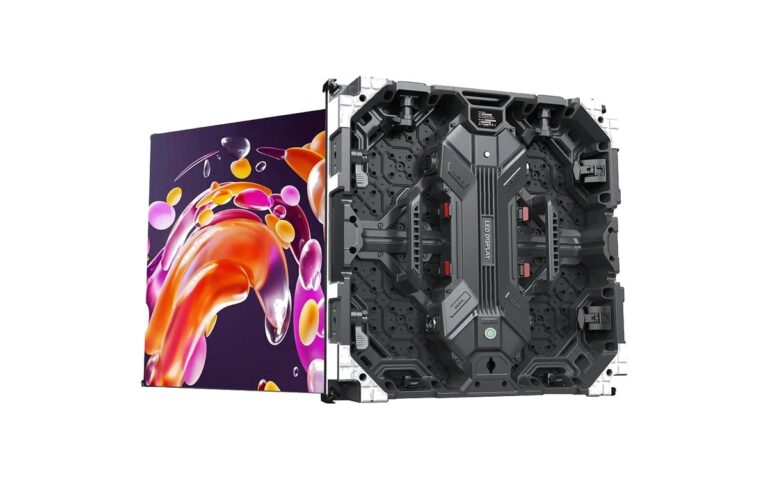
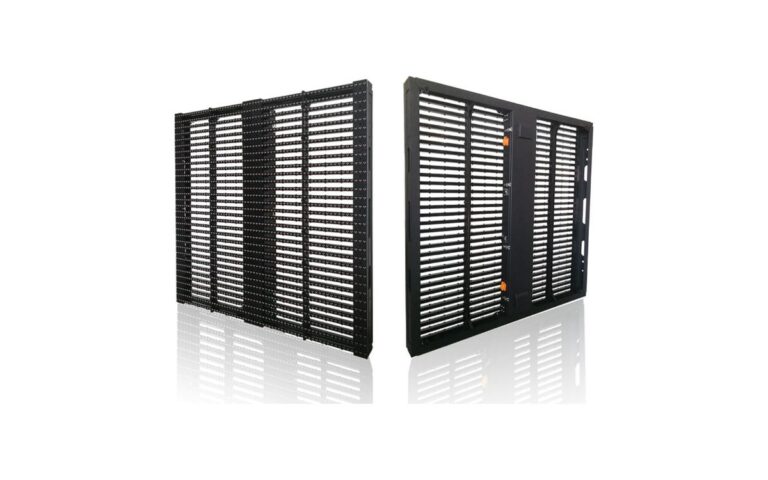
The Outdoor-FM series, for example, is specified at 6000 nits and up, with an operating range around -20 to +60 °C. Its cabinet formats include 1000×1000, 1000×500, 1500×1000 and 1500×500 mm, with cabinet weight around 22.5 kg. These figures suit applications where visibility in direct daylight and manageable handling during installation are both important.
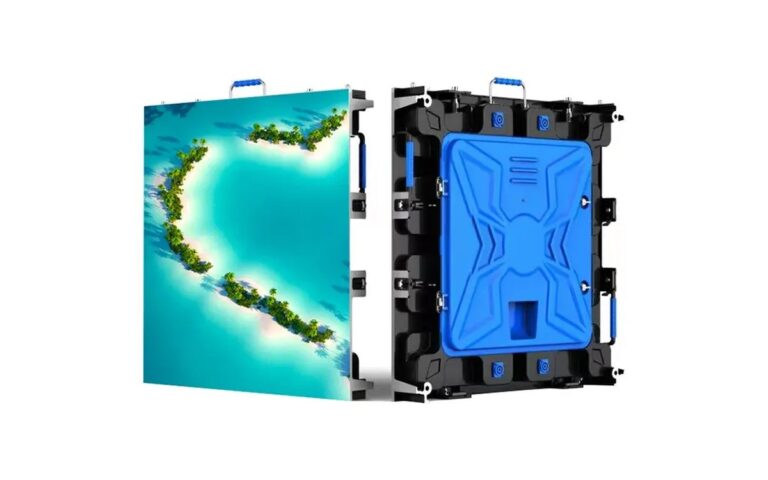
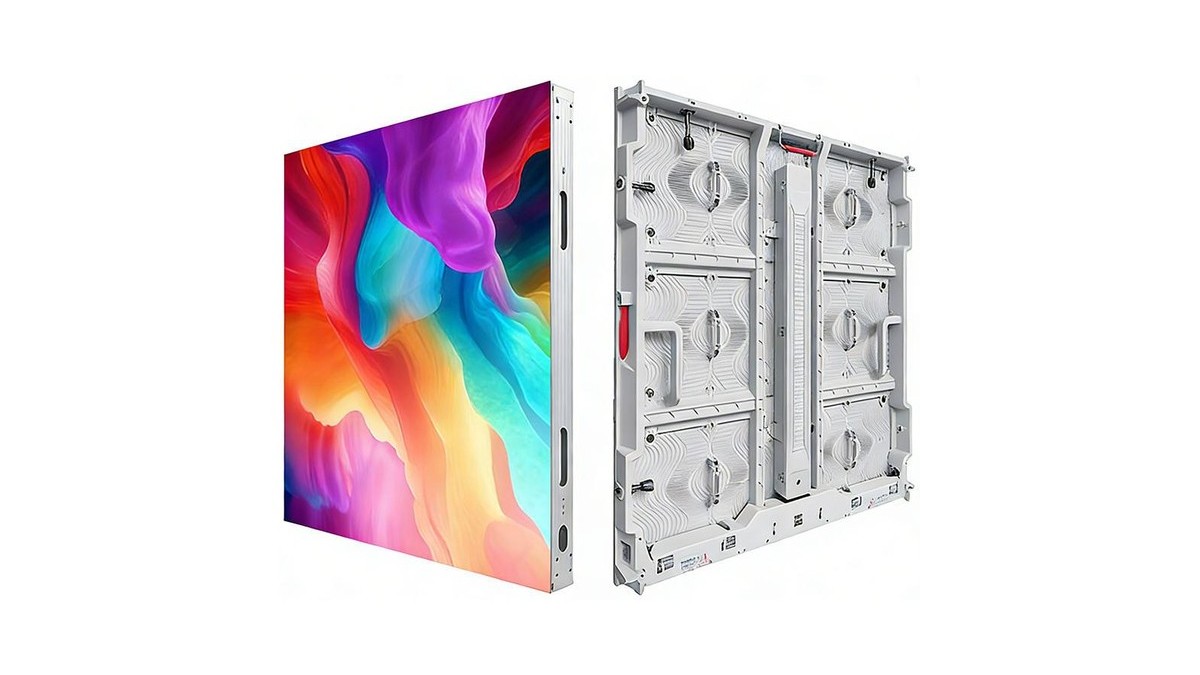
The Outdoor-FR series is another IP65 option, with brightness from around 5500 up to around 9500 nits depending on model. Its 960×960 mm cabinets are around 25 kg, and refresh rate is at least 3840 Hz. The precise brightness and configuration should be confirmed against the datasheet for the selected model.
IP65 does not mean the installation can ignore water management. Drain paths, cabinet alignment, sealing around cables and access-panel condition often decide long-term behaviour. Service teams also need enough working space to inspect filters, power supplies and connectors without disturbing the weather seals.
| Aspect | IP65 cabinets — Outdoor-FM and Outdoor-FR series | IP66 cabinets — Outdoor-FS PRO series |
|---|---|---|
| Water protection | Protection against water jets | Protection against powerful water jets and heavy spray |
| Operating temperature range | Around -20 to +60 °C for Outdoor-FM | -40 to +80 °C |
| Typical installation sites | Roadside billboards, building facades and inland city sites | Coastal, washdown-exposed, ground-level and heavily rain-exposed sites |
| Brightness | At least 6000 nits for Outdoor-FM; around 5500 to 9500 nits for Outdoor-FR depending on model | At least 6000 nits |
| Service access | Confirm cabinet configuration and access method against the datasheet | Front and rear access |
When to specify IP66
Specify IP66 when the screen faces wind-driven heavy rain, coastal exposure, ground-level splash or regular washdown. These conditions increase the chance that water will reach cabinet joints and service openings with greater force than ordinary rainfall. IP66 is also useful where the screen is installed near roads, promenades or public areas that are cleaned with pressurised water.
The Outdoor-FS PRO series is rated IP66, with brightness at least 6000 nits and an operating range from -40 to +80 °C at 10-98 percent humidity. Cabinet options include 960×960, 960×640, 1440×960 and 1440×640 mm, at around 25 kg. Front and rear service access can simplify inspection on both freestanding structures and larger display frames. The series is also specified with contrast of 15000:1 and refresh rate of at least 3840 Hz; confirm the selected configuration against the datasheet.
IP66 is not a substitute for marine-grade planning. Salt-laden air can attack exposed metal and connectors even when water cannot enter the electronics during the ingress test. For a demanding site, review cabinet materials, coating, fasteners, cable routing, drainage and maintenance access together. The Outdoor-FS PRO series can be considered where the higher water-protection level and wider environmental range match those conditions.
For advertising installations, the final choice should also reflect how the screen will be maintained and operated. A cabinet that meets the required IP level but cannot be opened safely, drained properly or inspected at ground level may create more operational difficulty than the rating suggests. Site drawings and the intended cleaning method should be checked before the specification is fixed, including the requirements of the advertising billboard solution.
Beyond the code: drainage, orientation and service access
A cabinet can meet its IP rating and still be installed in a way that traps water. Check the mounting angle and give water a clear path to run off, with unobstructed drainage or weep paths where the design provides them. Avoid details that create pockets around the cabinet or direct runoff toward joints.
Cable entries need the same care as the display face. Use the specified glands and sealing method, and route cables so water does not track along them into the enclosure. Any site modification to an entry point can change the protection at that opening, so agree the routing and sealing details with the installer and confirm them against the product documentation.
Sun exposure also affects the cabinet. A sealed enclosure can limit natural air exchange, while strong sunlight adds heat to the display surface. Leave the specified ventilation clearances unobstructed, account for local operating conditions, and confirm the thermal limits and installation requirements against the datasheet.
Service access is a layout decision, not an afterthought. Rear access requires enough clearance behind the screen for technicians to open cabinets and handle modules. Where the display sits close to a wall or inside a tight structure, front service may make routine work more practical. For remote sites, plan for spare modules and other service parts that may be needed on site; shipping and access constraints can make a small fault take longer to resolve.
Brightness and structure for the site
Outdoor LED screen brightness commonly ranges from around 5500 to 9500 nits across product ranges, depending on model and application. The right level depends on ambient light, viewing distance, content and how directly sunlight reaches the screen. A sun-facing facade may need more output than a shaded position, but a higher maximum is not automatically the right choice for every installation.
Consider the sun’s path as well as the screen’s orientation. Reflections and direct glare can affect readability, while a content schedule that runs into the evening should allow brightness to be reduced at night. Check the available brightness settings and operating guidance for the selected model against the site conditions.
Before finalising the display, have qualified local engineers review the supporting steel structure, wind loading and electrical work. These depend on the building, mounting method and local conditions; a display supplier’s scope usually ends at the display and its wiring guidance.
Common specification mistakes to avoid
An IP rating should not be treated as a corrosion guarantee. It describes protection against ingress, but it does not confirm resistance to salt, pollutants or other corrosive exposure. For coastal, industrial or otherwise exposed sites, review the cabinet material, surface coating, fasteners and exposed connection points as part of the specification. The suitable choice may depend on the site atmosphere as much as on water exposure.
Service access is another detail that is often left until installation. A cabinet that can only be opened from a side blocked by a wall, gantry or adjacent equipment may be technically serviceable but difficult to operate in practice. Agree whether maintenance will be carried out from the front, rear or side before the supporting structure is designed, and allow enough working space for the planned method.
Brightness can also be misjudged in both directions. Selecting the highest available output may add unnecessary power and make scheduled content uncomfortable to view, while an underspecified screen may lose clarity under direct ambient light. Choose the target brightness with the site orientation, surrounding light and content schedule in mind, including how the display will be controlled at different times.
At the plinth, confirm how water leaves the lower edges, cable-entry areas and base details rather than assuming the ground connection will remain dry. Weep paths and sealing interfaces should be clear in the drawings. Maintenance should also be defined at project stage: identify who cleans the screen, the intended frequency and method, and which replacement modules, power supplies or other spares remain on site.
Quick answers
The first digit rates protection against solids and the second against liquids: both ratings are dust-tight, while IP66 adds protection against powerful water jets. Select the rating for the site’s exposure and maintenance conditions, and confirm the chosen cabinet’s rating against the datasheet.
Coastal location alone does not determine the IP rating. Consider the screen’s exposure to wind-driven rain, spray, cleaning and its mounting details, then review the enclosure and installation requirements with your project team. Confirm the proposed configuration and rating against the datasheet before ordering.
Where the screen may face powerful water jets during severe weather or cleaning, IP66 is a reasonable specification to assess. Drainage, cable entries and installation still matter, and the rating does not replace correct mounting. Confirm the product’s rating and installation instructions against the datasheet.
Not every billboard needs IP66; the decision depends on exposure, mounting and cleaning practice. LINEX outdoor advertising screens include IP65 options such as the Outdoor-FR, with brightness around 5500 to 9500 nits depending on model. Confirm specifications against the datasheet.
Choose based on the space available behind the display and how technicians will replace modules. Rear access needs working clearance; front access can suit installations close to a wall. The Outdoor-FS PRO supports front and rear access. Confirm the selected cabinet’s service method against the datasheet.
Follow the manufacturer’s cleaning instructions and inspect cable entries, seals and drainage paths as part of scheduled maintenance. Use cleaning methods compatible with the enclosure; do not assume that a water-resistant rating makes any pressure-washing method suitable. Confirm cleaning guidance against the product documentation.
Outdoor models range from around 5500 to 9500 nits, depending on the product and configuration. For a sun-facing facade, assess direct sunlight, viewing distance and content schedule; brightness can be reduced at night. The Outdoor-FM is specified at 6000 nits and up; confirm against the datasheet.
Send LINEX the site conditions, intended application, screen dimensions, viewing distance and preferred service access. LINEX Tech supplies outdoor and other LED display types, as well as AV signal solutions, with OEM/ODM support and worldwide shipping with documentation. Product details should be confirmed against the datasheet.
Send your site location and conditions, screen size and viewing distance to contact LINEX Tech for a configuration and quotation. You can also review the Outdoor-FM and outdoor advertising screen options as you prepare the project details.